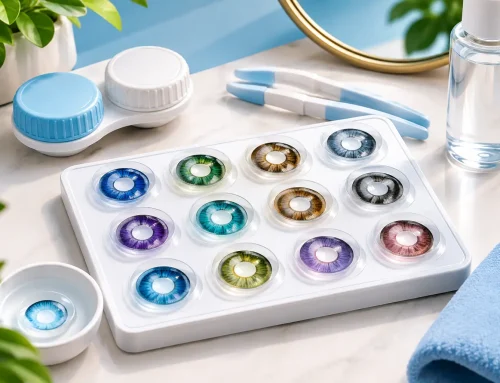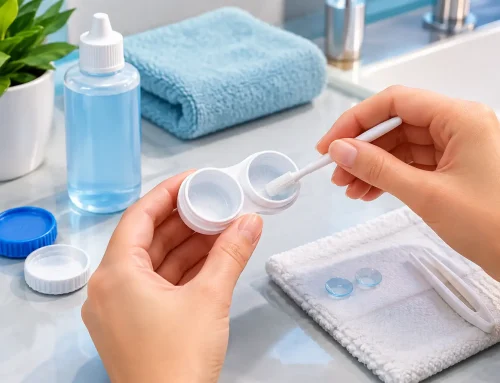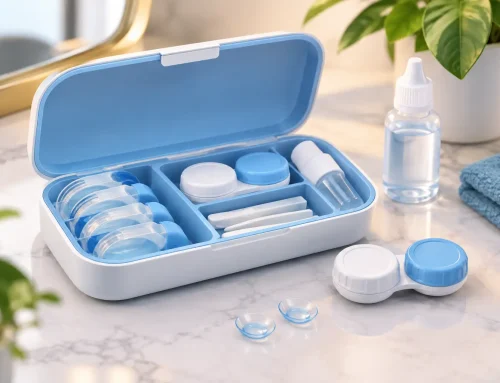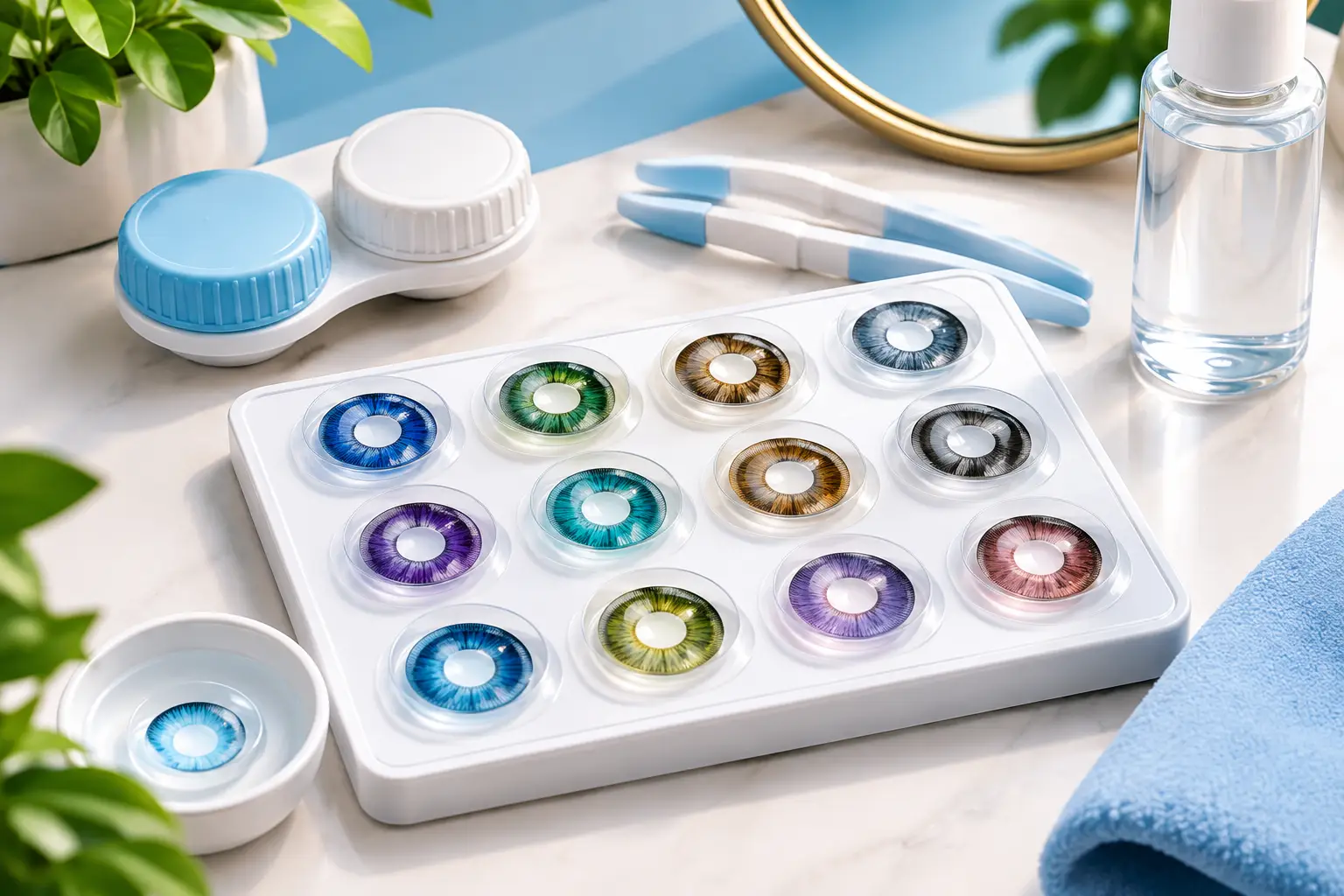
A drawer full of nearly identical lens cases can turn a simple morning routine into guesswork. When you wear different cosmetic lenses for different looks, it is easy to forget which pair is which, when you opened it, or whether the prescription matches what you need. A cosmetic lens inventory replaces that uncertainty with a clear system you can use every day.
This is not about making your bathroom look perfectly styled. It is about knowing what you have, using the right lenses at the right time, and keeping the details you may need from disappearing with the original packaging.
Why a Cosmetic Lens Inventory Matters
Cosmetic lenses often create more moving parts than a single everyday pair. You may have one color for a subtle change, another for a special occasion, and a prescription lens in a similar shade. Once the boxes are tossed, the lens cases can look almost identical.
That creates small but frustrating questions: Is this the hazel pair or the gray pair? Is it the right prescription for each eye? When did this pair need to be replaced? Did you buy it recently, or has it been sitting in the cabinet longer than you thought?
A simple inventory gives every pair a place and every detail a record. Instead of relying on memory, you can see the color, prescription, replacement timeline, and purchase information together. That makes your lens routine faster and helps you avoid mixing up pairs that look the same at a glance.
There is also a practical money benefit. Cosmetic lenses are an investment. When they are scattered between drawers, makeup bags, and medicine cabinets, it is easier to buy duplicates or leave usable accessories buried out of sight. Knowing exactly what you own helps you make better decisions before your next purchase.
What to Track for Each Pair
Your inventory does not need to be complicated. In fact, the best system is one you will keep up with after a long day. Record the details that answer your real questions when you reach for a lens case.
For every pair, keep these four pieces of information together:
- Lens color or product name, such as honey brown, graphite gray, or blue green
- Prescription details for the right and left eye, when applicable
- The date you opened the lenses and their scheduled replacement or expiration date
- Purchase details, including where and when you bought them
You can add the lens brand, base curve, diameter, or lot information if those details are useful to you. But avoid turning the process into a spreadsheet project you will abandon. The goal is clarity at the moment you need it.
If you wear both cosmetic and clear prescription lenses, track them in the same system but keep their labels distinct. A color label is helpful, but color alone should never be your only identifier. Two pairs can look similar in their cases, and your prescription may differ between eyes or between lens types.
Keep Original Details Before You Discard the Box
Lens boxes are easy to throw away because they take up space. The problem is that the box often holds the information you are most likely to need later. Before recycling it, transfer the key details to your inventory record.
Do this when you first open a new pair, not weeks later when the information is harder to remember. Write down the product name, color, prescription, and the date you began using it. If the lenses have a stated expiration date, record that too. You will have a reliable reference even after the packaging is gone.
Set Up Your Cosmetic Lens Inventory in One Sitting
The easiest time to organize your lenses is before the clutter becomes overwhelming. Set aside a few minutes, gather every lens case, unopened box, and spare accessory from the places where they tend to collect.
Start by separating unopened lenses from pairs currently in use. Unopened products need their packaging details kept visible and readable. Active pairs need labels and dates that make sense during your daily routine.
Next, match each lens case to its information. If you cannot confidently identify a pair, do not guess. Set it aside until you can confirm what it is from the packaging, your order history, or your eye care provider’s records. Cosmetic contact lenses should be worn only as directed by your eye care professional, even when they are non-corrective.
Then assign each confirmed pair a consistent label. You might use the color name plus a short prescription reference, such as “Gray -1.50,” or “Brown R -2.00 / L -1.75.” The exact format is up to you. Consistency is what makes it work.
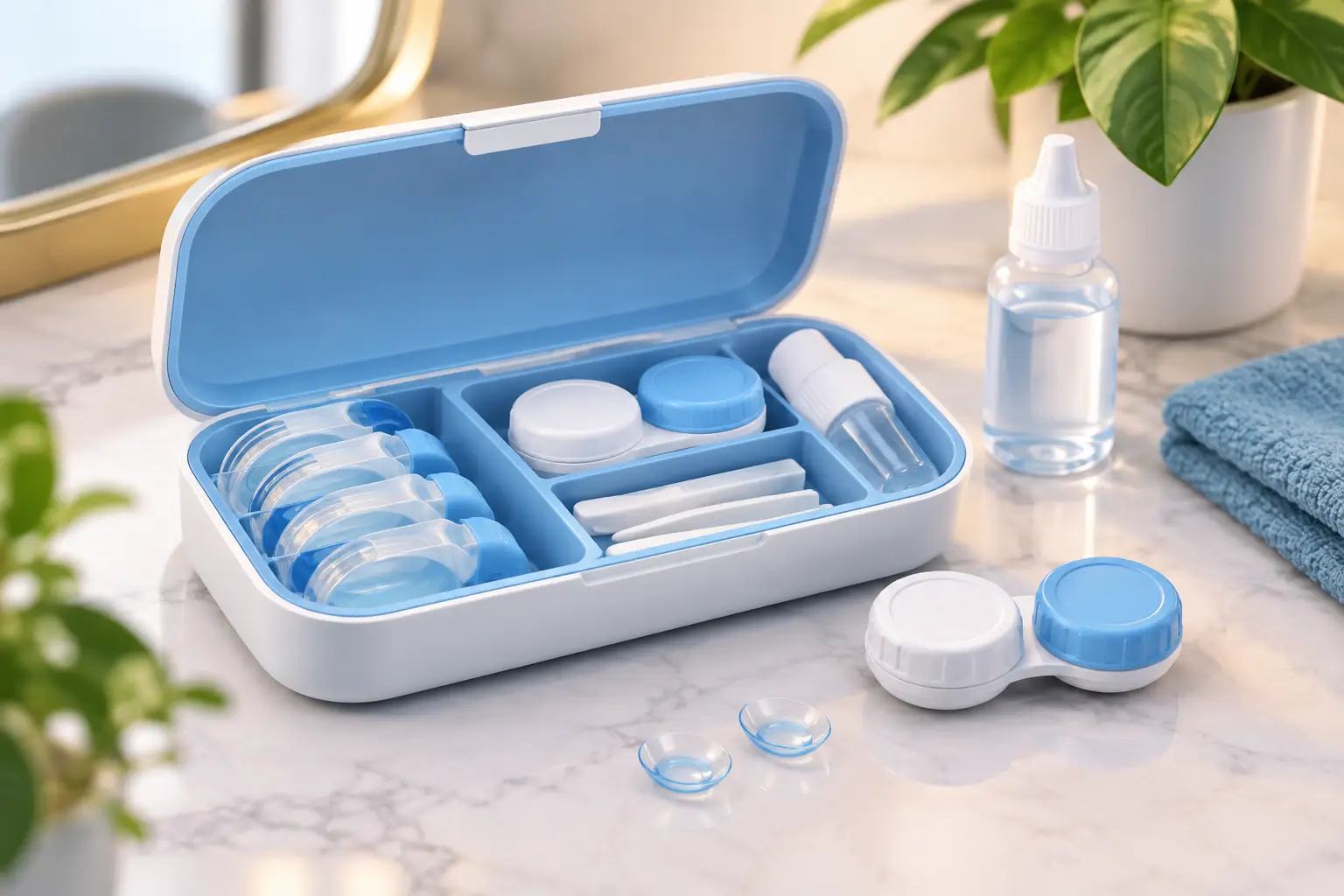
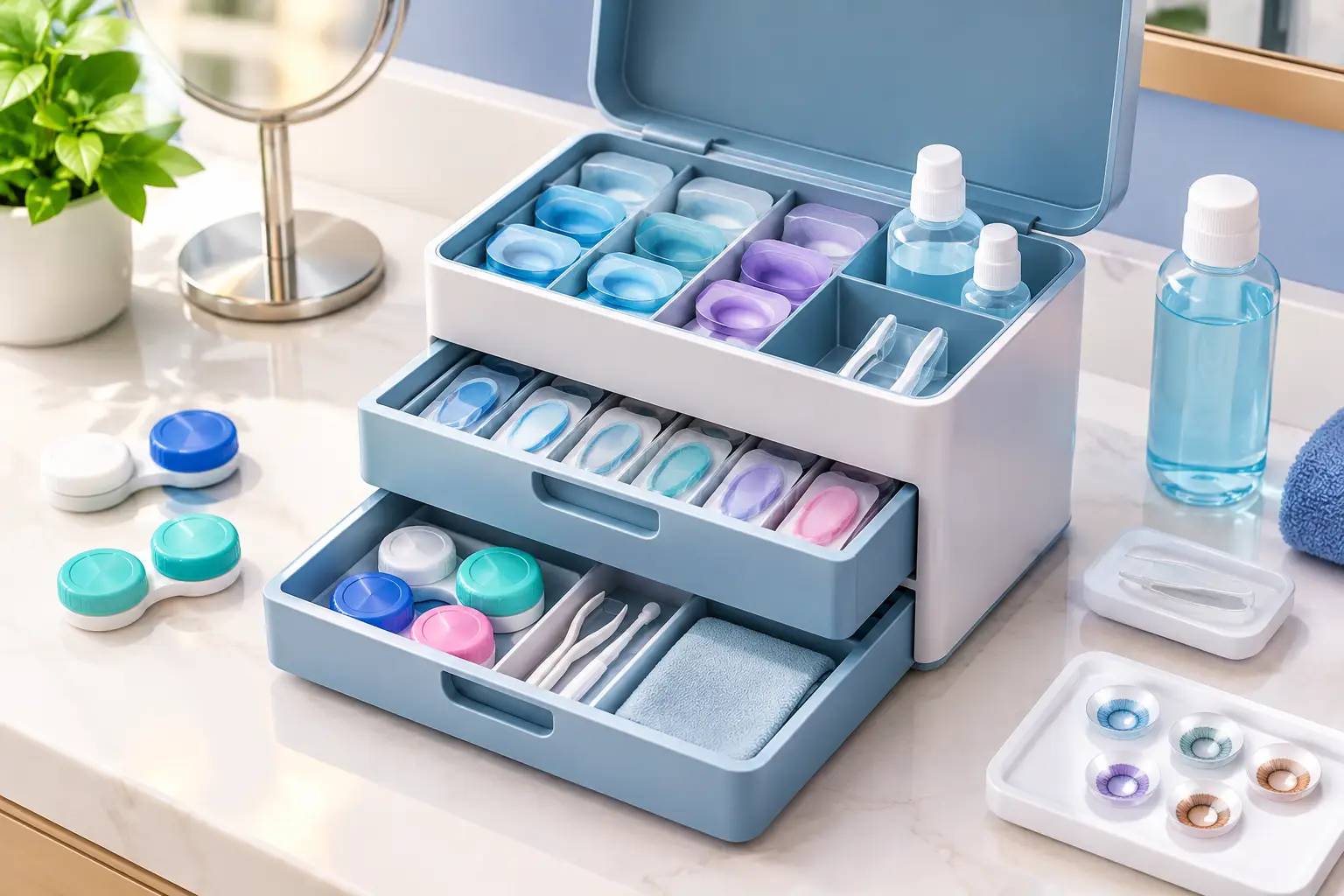
Finally, place the lens cases in a dedicated organizer rather than returning them to a loose drawer. A purpose-built system such as EYEBOX keeps the physical case with the details that identify it, so you are not searching through scraps of packaging or trying to remember what you meant by an old handwritten note.
Build a Routine That Stays Useful
An inventory only helps if it stays current. Fortunately, maintaining it takes very little time once the initial setup is done.
When you open a new pair, add it immediately. When you stop using a pair, remove it from the active section and dispose of it according to your lens care instructions. When you buy replacements, record the purchase information while the confirmation or box is still in front of you.
A monthly check is usually enough for most wearers. Look at your active pairs, compare their replacement dates with the current date, and clear out anything that no longer belongs in your routine. If you rotate through several colors frequently, a quick check each week may be more practical.
It depends on how many pairs you own. Someone with one occasional cosmetic color may only need a single labeled space. Someone who rotates several colors alongside prescription lenses benefits from more detailed tracking. Your inventory should match the reality of your habits, not an idealized organization system.
Avoid the Common Mix-Ups
The most common mistake is treating lens cases as if the case itself tells the whole story. A case is only a container. Without a label or record, it cannot tell you the lens color, prescription, opening date, or replacement schedule.
Another mistake is labeling a pair once and never checking it again. Labels can fade, routines change, and a pair that felt recent in January may be well past its intended replacement timeline by spring. Clear dates make the system more reliable than memory.
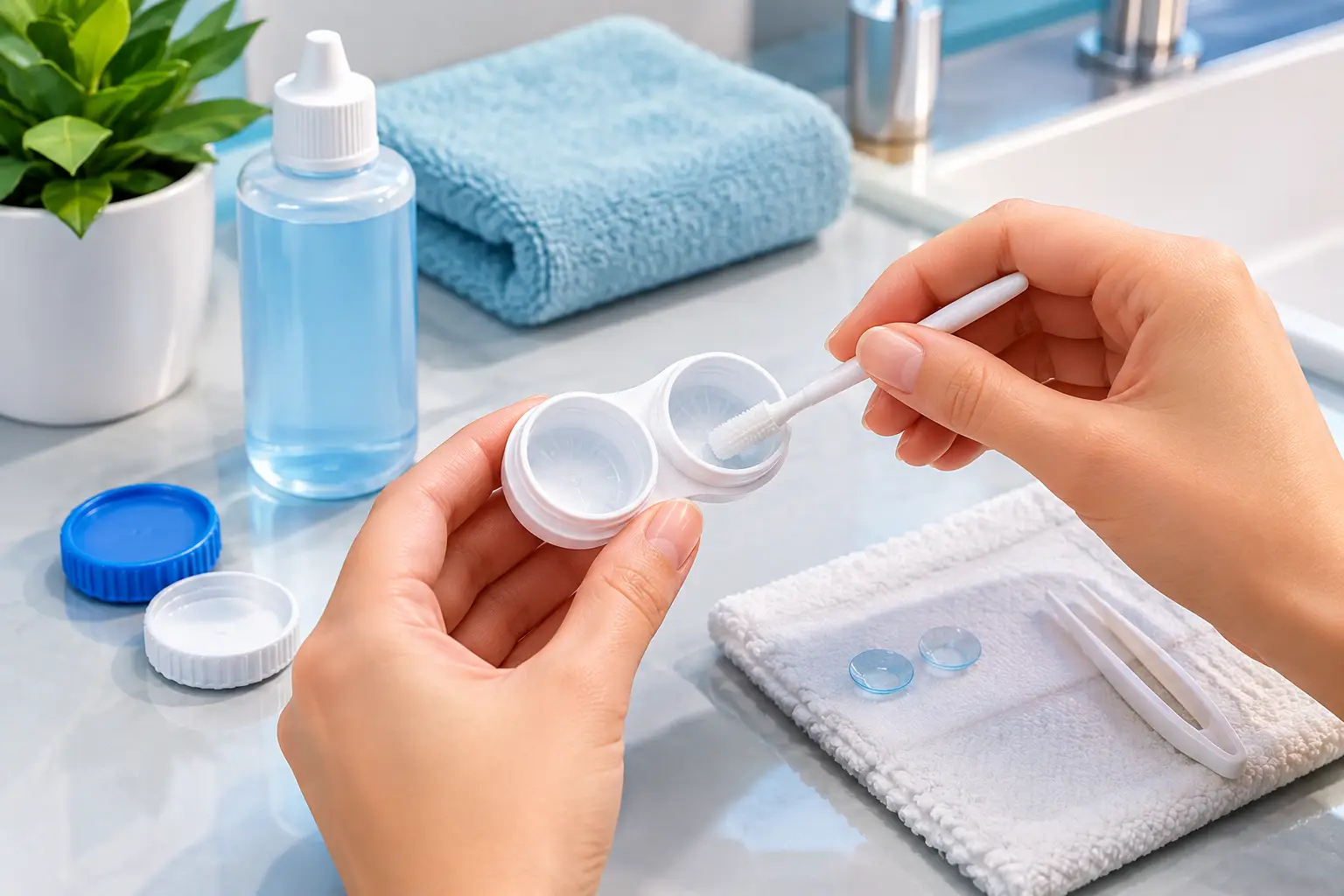
Also keep lens care separate from lens identification. A well-organized inventory does not replace proper cleaning, solution use, hand washing, or the instructions from your eye care provider. It supports those habits by making it easier to identify what you are handling and whether it is still part of your active rotation.
Make Your Collection Easier to Choose From
A good cosmetic lens inventory makes choosing a color feel simple instead of chaotic. You can see which shades are currently available, which ones need replacing soon, and which prescription details go with each pair. That is especially useful when you own colors that are subtle variations of brown, gray, green, or blue.
It also gives you a better view of your actual lens habits. You may find that one color is your regular favorite while another rarely gets used. That insight can help you purchase more thoughtfully, reduce duplicates, and keep your collection focused on lenses you genuinely enjoy wearing.
The best organization system is not the one with the most labels. It is the one that lets you open your cabinet, identify the pair you need, and feel certain about it. Give each lens a clear home and its details a clear record, and your daily routine has one less thing to make complicated.