A contact lens drawer can look fine until you need one specific detail: which case holds your monthly lenses, what color is in the unlabeled pair, or whether a lens is already past its replacement date. The right eye care drawer essentials turn that frustrating search into a simple routine. Instead of loose cases, crumpled boxes, and half-remembered purchase dates, every item has a clear place and a purpose.
For contact lens wearers, organization is more than making a bathroom drawer look tidy. It helps prevent mix-ups, makes daily care easier, and keeps the details you need close at hand.
What Your Eye Care Drawer Should Actually Do
A useful eye care drawer is not just a spot to stash supplies. It should help you identify the right lenses quickly, keep daily-use items clean and separated from clutter, and preserve the information that often gets thrown away with lens packaging.
This matters even more if you wear more than one type of lens. You may have a pair for everyday vision correction, colored lenses for certain looks, backup lenses, or different prescriptions for each eye. When several nearly identical lens cases end up together, it becomes easy to forget which is which.
The goal is simple: open the drawer and know exactly what you have, what it is for, and what needs attention next.
Eye Care Drawer Essentials That Prevent Mix-Ups
Start with the items you use every day, then build a system around the details that are easiest to lose. A well-organized drawer does not need to be packed with products. It needs to make your routine clear.
A Dedicated Lens Case for Each Active Pair
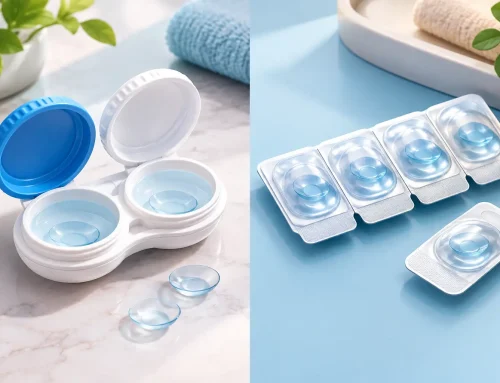
Every active pair of reusable lenses needs its own clean, clearly identified lens case. Avoid the common habit of using whatever case is nearby, especially when you have multiple pairs in rotation. Similar cases can look identical once they are separated from their original packaging.
Keep right and left lenses consistently in the same side of each case. If your prescription differs between eyes, that habit adds another layer of clarity. Replace lens cases according to your eye care professional’s guidance and the case manufacturer’s recommendations. A case that looks worn, cracked, or difficult to close should not stay in the drawer.
Contact Lens Solution in One Reliable Spot
Your solution should be easy to reach without getting buried behind cosmetics, hair tools, or medications. Keep the bottle upright in a designated section of the drawer, and check the expiration date before opening a new bottle.
If you use a multipurpose solution, use it exactly as directed. Do not top off old solution in a lens case, and do not use water or saliva as substitutes. A clean drawer setup supports good habits, but it does not replace proper lens-care instructions from your provider and product manufacturer.
A System for Lens Details and Packaging Information
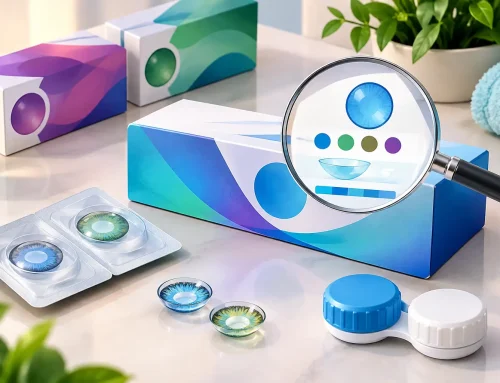
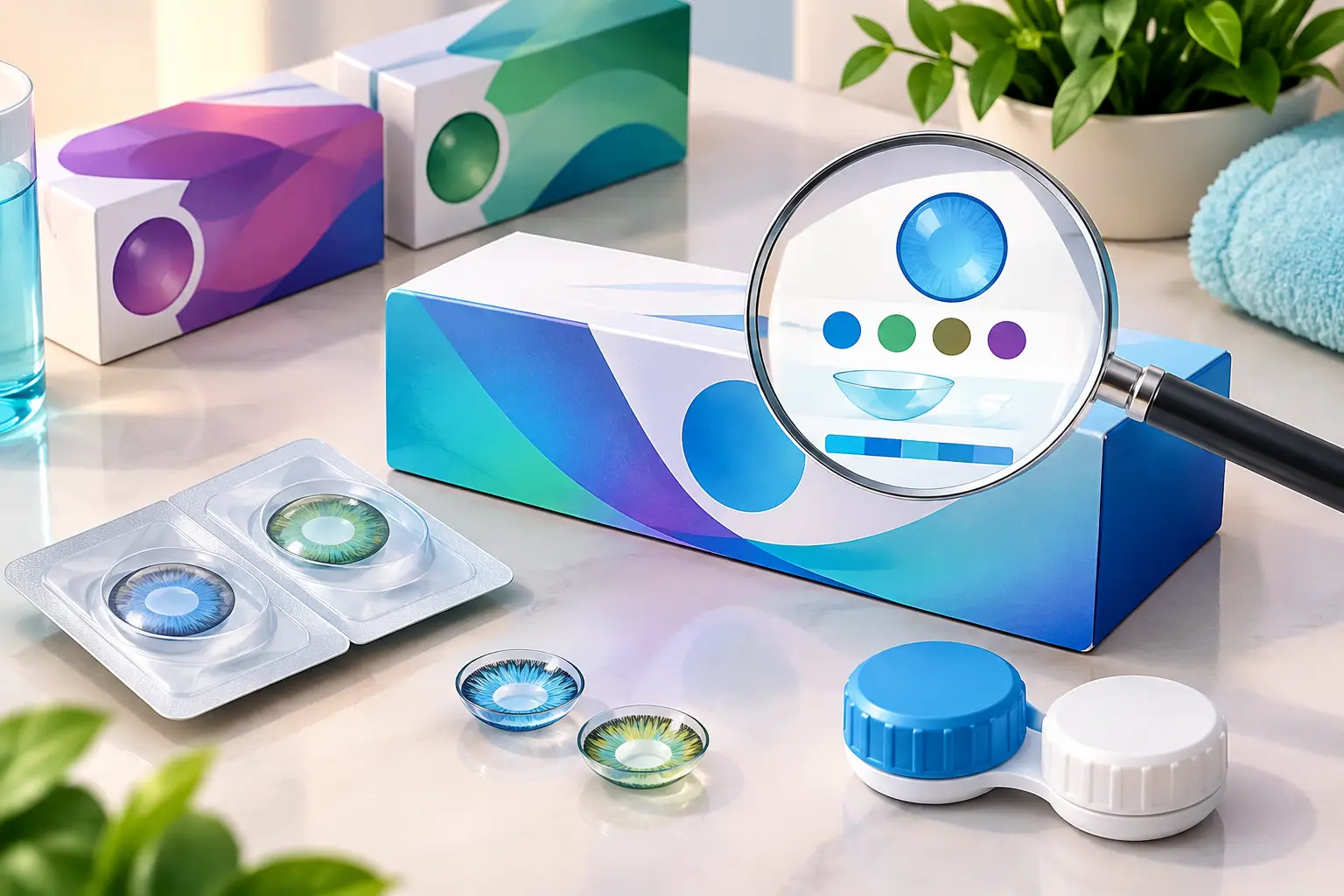
The most valuable information about your lenses is often printed on the box you discard first. Prescription strength, base curve, diameter, brand, color, lot details, purchase date, and expiration date can all become hard to retrieve once packaging is gone.
Keep a written or printed record with each lens pair. This is especially helpful for colored contacts, where shade names can be surprisingly easy to confuse. A label that says “brown” may not be enough when you own several brown tones or similar styles from different brands.
A purpose-built organizer such as EYEBOX® keeps lens cases alongside the key details that identify them, helping you avoid a drawer full of mystery cases. The advantage is not just storage. It is having the information and the lenses together when you need them.
Clean Hands Supplies Nearby
Contact lenses should always be handled with clean, dry hands. Your drawer can support that routine by keeping a small supply of lint-free tissues or clean paper towels nearby for drying hands after washing. These should be stored away from open cosmetics, powders, or anything that sheds fibers.
The key is to create a clean transition between washing your hands and handling lenses. If your drawer is full of loose makeup brushes, cotton swabs, old receipts, and hair accessories, lens care can become an afterthought. Give your lens supplies their own section rather than mixing them into general bathroom storage.
A Simple Replacement-Date Reminder
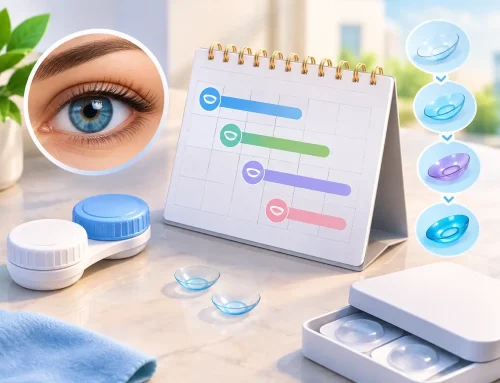
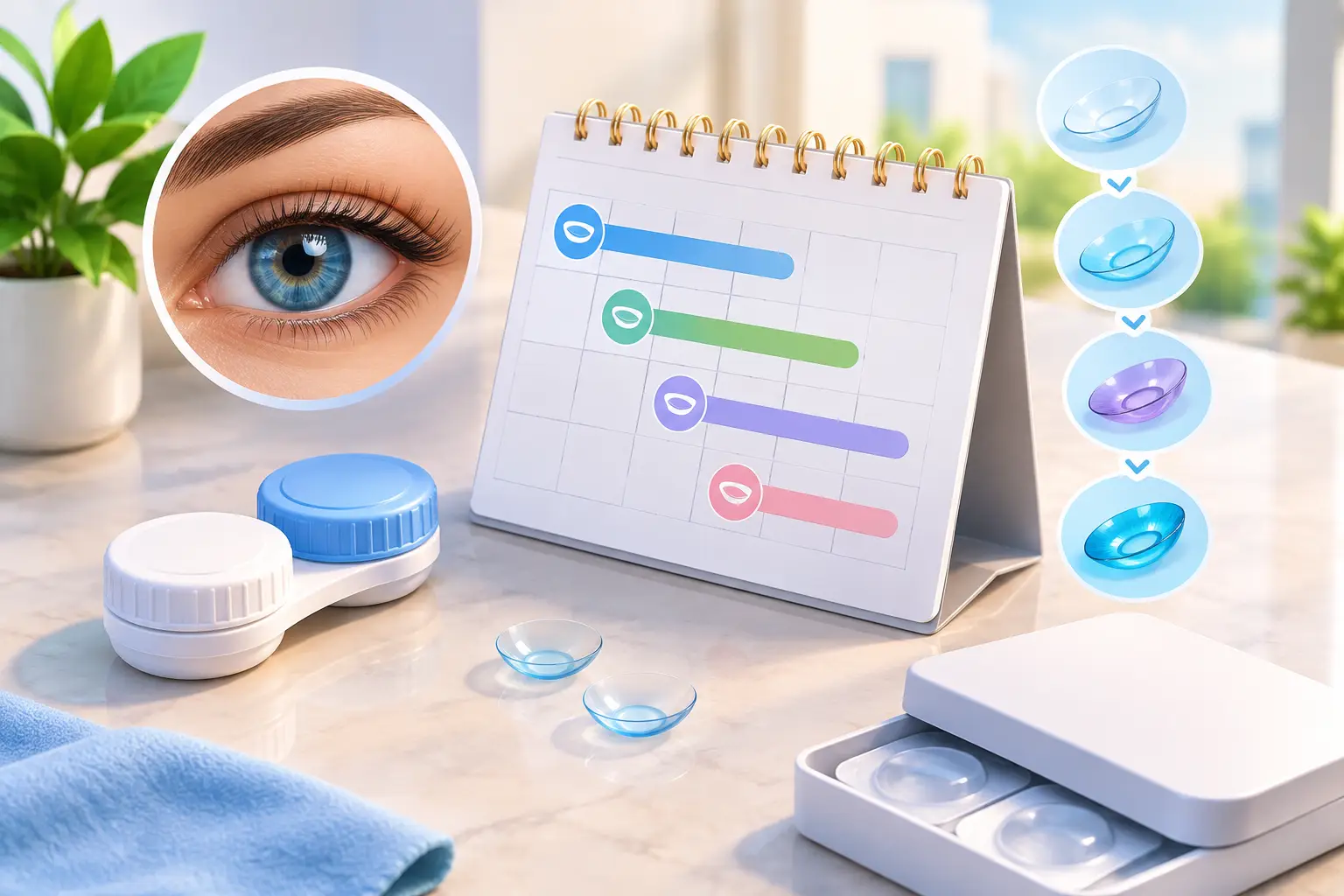
Daily, biweekly, monthly, and quarterly lenses all require different replacement schedules. The calendar date you opened a lens can matter just as much as the expiration date printed on the package. Yet this is one of the easiest details to forget after a busy week.
Choose one reminder method and use it consistently. You might note the open date on a label, keep a small tracking card in the drawer, or enter a reminder in your phone. The best system is the one you will actually check.
Do not assume lenses are still safe to use simply because they look clear or feel comfortable. Follow the replacement schedule prescribed for your specific lenses, and ask your eye care professional if you are unsure whether a pair should be replaced.
Organize the Drawer by Routine, Not by Random Space
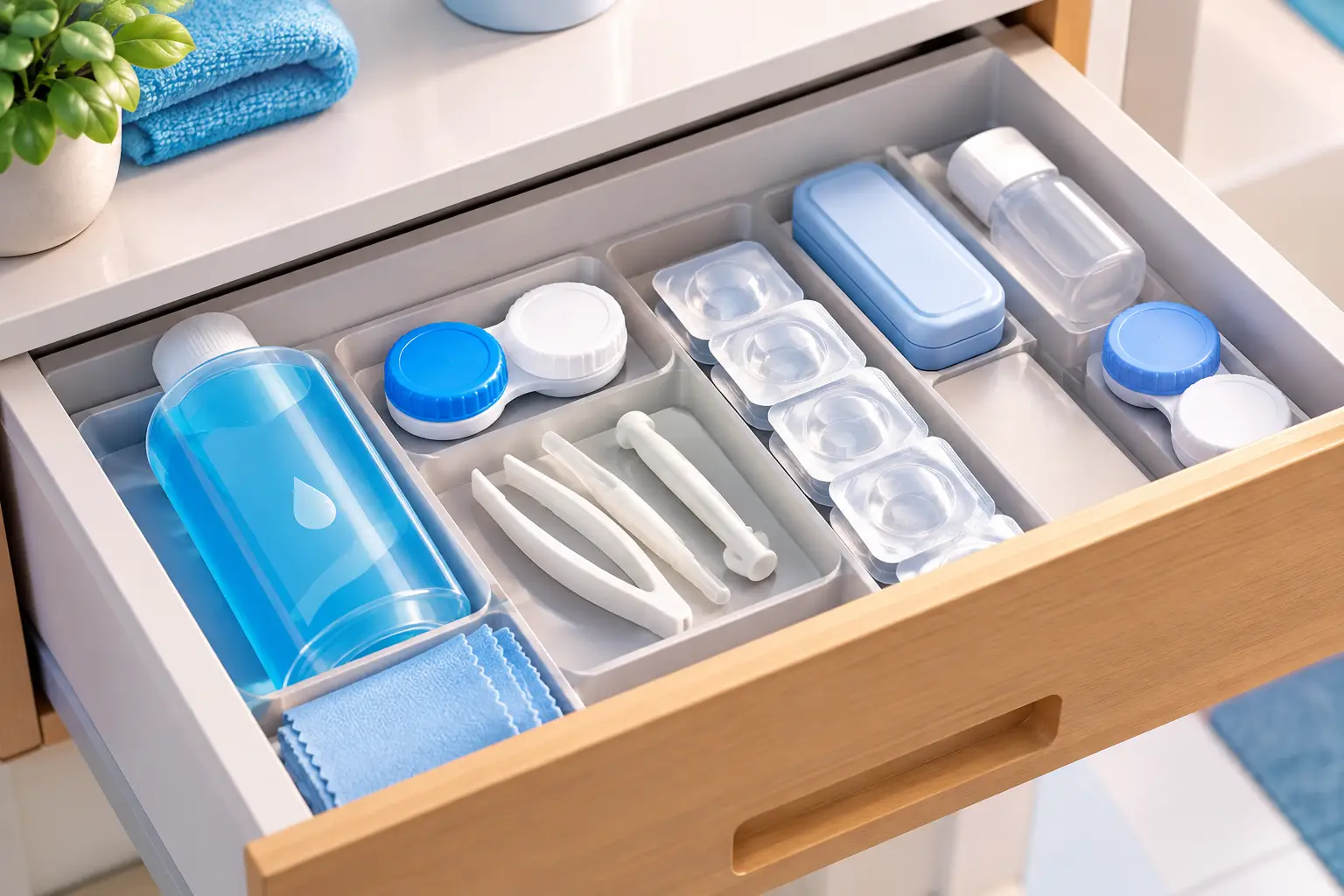
A drawer works best when it follows the order of your actual routine. Put your most-used items toward the front: active lens cases, solution, and the organizer or record card you use to identify each pair. Backup supplies can sit behind them. Unopened boxes can be grouped together in a separate area so they do not get confused with lenses already in use.
If you share a bathroom, this layout becomes even more helpful. Your contact lens supplies stay contained instead of spreading across the counter or getting mixed in with someone else’s products. A compact organizer gives your lens routine a defined home.
For people who wear colored contacts, consider organizing by color or use case. Everyday prescription lenses might be in one section, while cosmetic lenses are grouped separately with their color names and expiration details. This reduces the chance of reaching for the wrong pair when you are getting ready quickly.
What to Remove From Your Eye Care Drawer
A better system is often created by taking things out, not adding more. Set aside old lens cases, empty solution bottles, outdated prescription notes, and packaging from lenses you no longer use. If you cannot identify a case or confirm what is inside, do not guess.
Also remove items that do not belong near your lenses. Loose glitter, powders, opened makeup products, and cluttered personal care items can make it harder to keep your lens area clean and easy to use. Your drawer does not need to be sterile, but it should feel controlled.
Before putting anything back, ask one practical question: does this help me care for, identify, or replace my contact lenses? If the answer is no, it probably belongs somewhere else.
Keep the System Working After Setup Day
The first organization session is easy. The real benefit comes from maintaining the system in small moments. When you open a new lens pack, record the information before tossing the box. When you replace a pair, update the date right away. When a case becomes worn, remove it instead of letting it collect in the back of the drawer.
A quick reset once a month is usually enough. Check solution expiration dates, confirm that each active case is labeled or recorded, and clear out anything that no longer serves your routine. This takes far less time than trying to reconstruct your lens details after they have been lost.
Your eye care drawer should make daily contact lens use feel less uncertain. When cases, lens details, and replacement dates stay together, you spend less time guessing and more time starting your day with a routine that makes sense.