
A contact lens that suddenly feels wrong can turn a normal morning into a frustrating guessing game. Lens prescription changes may be part of the reason, but blurry vision and discomfort can also come from dry eyes, an expired lens, a damaged lens, or simply wearing the wrong pair. The goal is not to self-diagnose. It is to recognize what has changed, know when to schedule an eye exam, and keep your lens information clear enough that you are never left wondering what is in each case.
What lens prescription changes can feel like
A prescription change does not always announce itself with dramatic blur. For some people, distance signs start looking slightly softer. Others notice headaches after screen time, squint more often while driving at night, or find that one eye seems to work harder than the other.
With contact lenses, comfort matters just as much as clarity. A lens that once felt easy to wear may begin to feel dry, move too much, or seem difficult to focus through. These symptoms do not automatically mean your prescription has changed, but they are worth paying attention to, especially when they repeat.
If you wear contacts for nearsightedness, farsightedness, astigmatism, or presbyopia, even a small adjustment can change how your lenses perform. A different power, cylinder, axis, add power, or base curve may be needed. Only an eye care professional can confirm which part of the prescription, if any, has changed.
Why your vision needs can shift
Eyes change throughout life. Some prescription shifts happen gradually and are easy to miss until your next exam. Others feel more noticeable because your daily visual demands have changed. More computer work, more night driving, seasonal allergies, and long hours in dry indoor air can all make vision feel less reliable, even when the prescription itself is stable.
Age is another common factor. Many adults begin needing help with near vision in their 40s, a change called presbyopia. This may lead to a conversation about multifocal contacts, monovision, reading glasses over contacts, or a different lens routine. There is no one best answer. The right choice depends on your vision needs, comfort, and how much adjustment you are willing to make.
Health and medication can matter, too. Blood sugar changes, pregnancy, hormonal changes, and some medications can affect vision or dryness. If your vision changes quickly, or you notice flashes, new floaters, eye pain, redness, light sensitivity, or a curtain-like shadow in your vision, seek prompt medical care rather than waiting for a routine lens update.
A blurry lens is not always a wrong prescription
Before assuming you need a new prescription, check the practical causes. Contact lens wearers often deal with problems that look like prescription changes but have a much simpler explanation.
A lens may be inside out, have a tiny tear, collect deposits, or be overdue for replacement. Your eyes may be dry from air conditioning, allergies, poor sleep, or too much screen time. If you wear colored contacts as well as corrective lenses, it is also easy to reach for a pair with a different power or confuse right and left cases.
Start with a fresh lens if your replacement schedule allows it. Use only the solution recommended for your lens type, and never rinse or store contacts in water. If the blur or discomfort clears with a new, correctly handled lens, the issue may not be your prescription. If it keeps happening, stop guessing and book an exam.
When to schedule an eye exam
Routine contact lens exams are the simplest way to catch gradual changes before they become an everyday annoyance. Your eye doctor can check more than the numbers on your prescription. They can evaluate the health of your cornea, how the lens fits, tear quality, dryness, and whether the material or replacement schedule still suits your eyes.
Schedule sooner than planned if you are regularly squinting, getting headaches, struggling with night vision, or noticing that one eye is consistently blurrier. Make an appointment if contacts that used to be comfortable now feel irritating, if you are relying on rewetting drops much more often, or if your current lenses no longer provide dependable vision at work, school, or while driving.
Do not order a stronger power based on a guess or wear an old pair because it seems close enough. A contact lens prescription includes more than power. Diameter, base curve, brand, and lens material are part of the fit. A lens that is not prescribed for your eye can cause discomfort and may not provide the vision you expect.
What to bring to your appointment
A little preparation helps your appointment focus on the right problem. Bring your current contact lens boxes or take clear photos of the labels before you discard them. Your doctor will want to know the brand, power for each eye, replacement schedule, and how long you wear the lenses each day.
It also helps to describe the pattern rather than simply saying your vision is blurry. Is distance vision worse after lunch? Does one lens get uncomfortable first? Are night lights more difficult than before? Do colored lenses look clear but feel dry? Details like these can help separate a prescription issue from a fit, surface, or dryness issue.
If you have multiple lens types, keep their information separate. Daily corrective lenses, monthly lenses, and cosmetic colored contacts can have different expiration dates and care needs. Combining their packaging or relying on memory creates an avoidable chance of wearing the wrong pair.
Keep your updated prescription from becoming another mystery
An updated prescription only helps when you can find it and match it to the correct lenses. This is where a simple organization routine saves time and reduces mistakes.
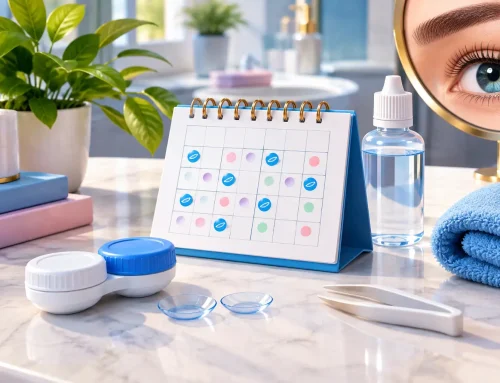
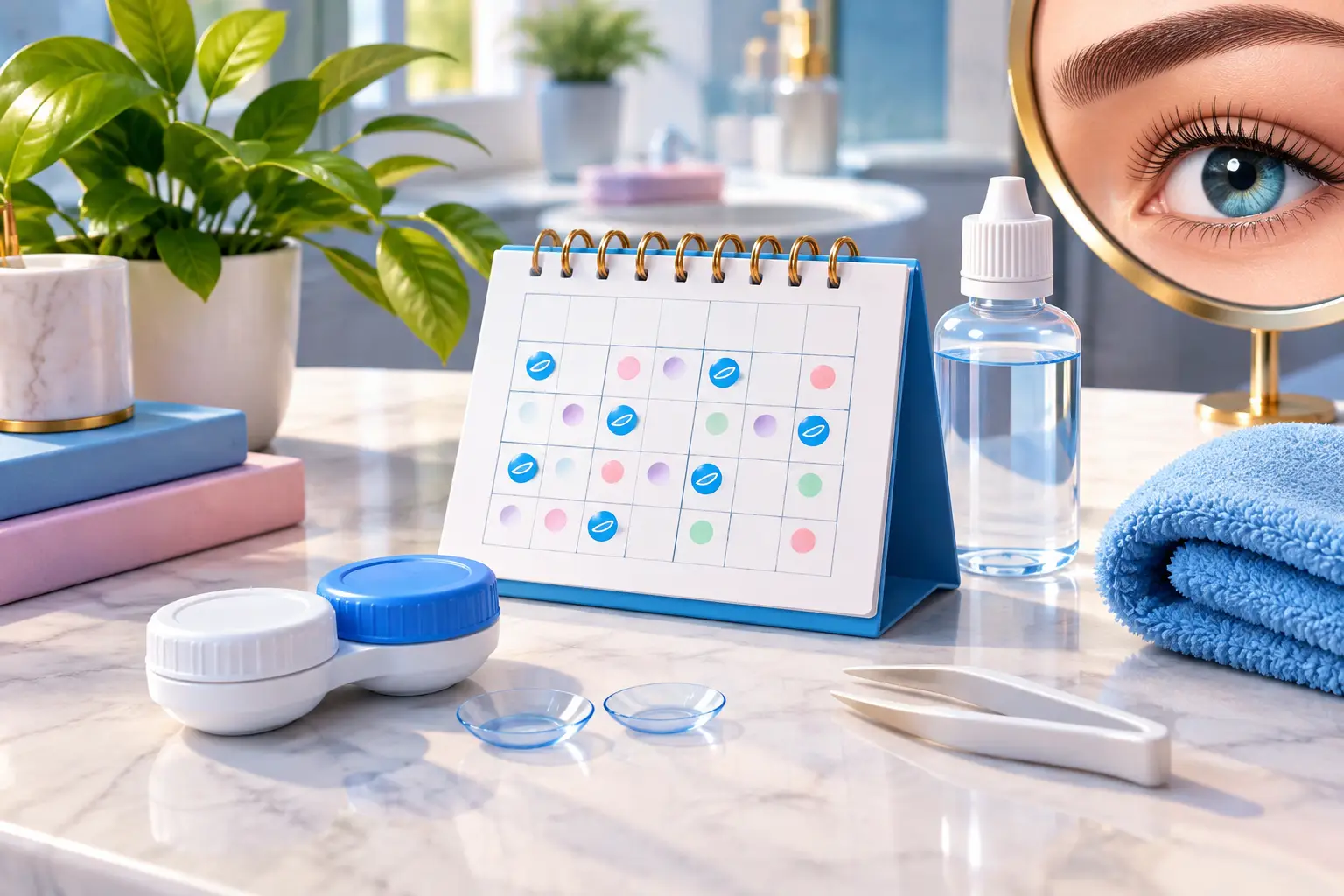
When you open a new box, record the right and left power, brand, color if applicable, purchase date, and expiration date. Keep the information with the corresponding lens case instead of tossing the box and assuming you will remember later. If your doctor changes one eye but not the other, labeling becomes even more useful.
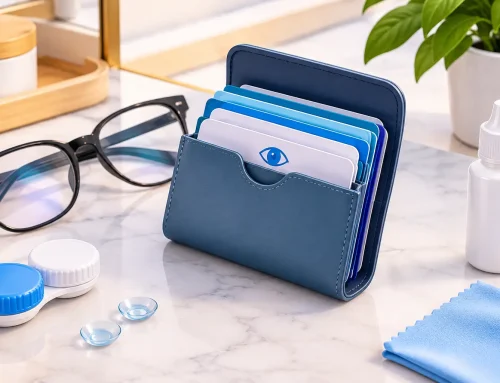
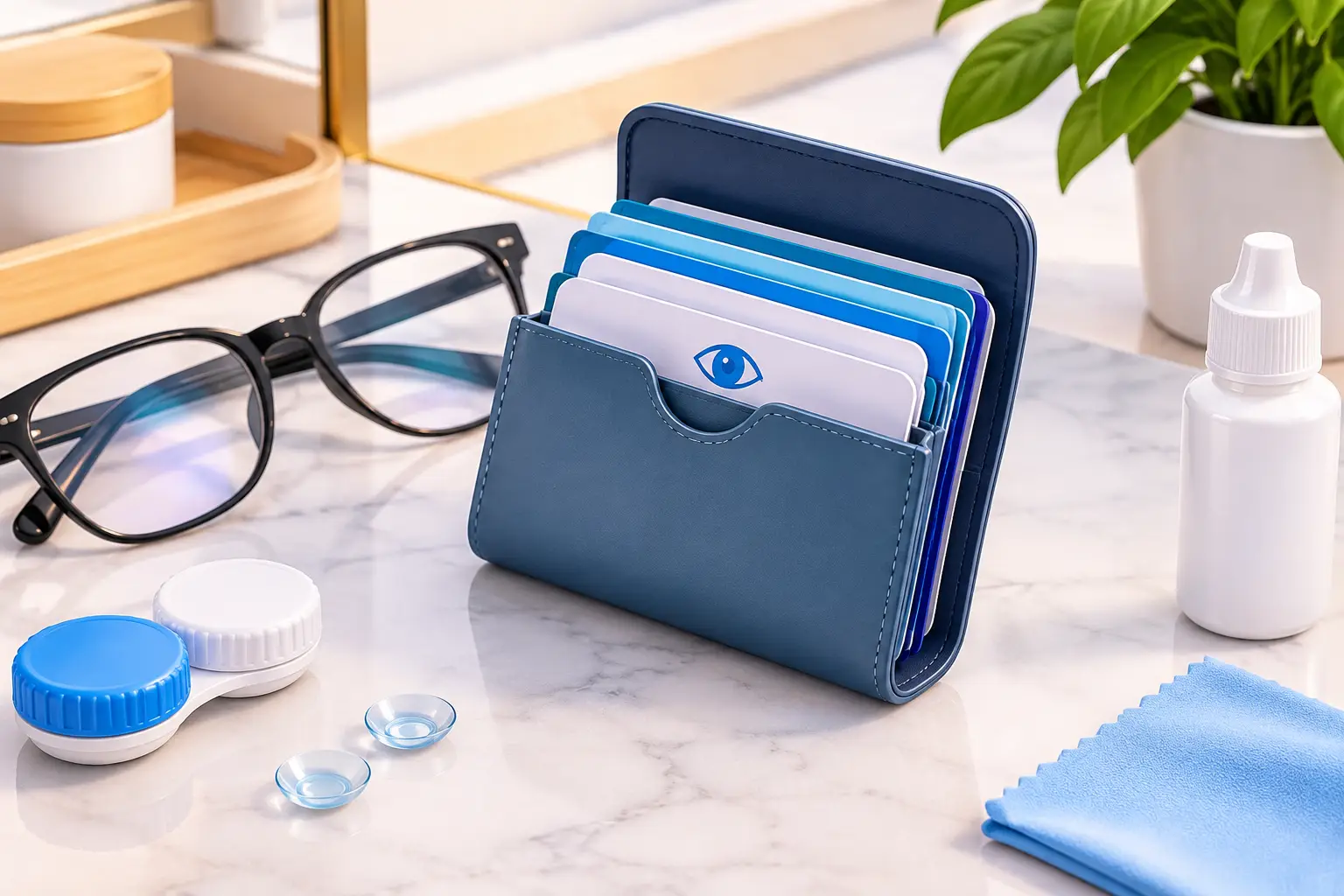
For people who keep several pairs in rotation, use a consistent setup. Put the same eye on the same side every time. Separate everyday corrective lenses from colored lenses. Replace worn labels as soon as they become hard to read. An organizer such as EYEBOX can keep lens cases and key details together, so a prescription change does not leave you sorting through loose boxes, old cases, and fading notes in a drawer.
A clear system also makes it easier to spot lenses that are no longer current. If an old prescription is still in your cabinet, label it as inactive or dispose of it according to your eye doctor’s guidance. Keeping outdated lenses mixed with current ones invites confusion, particularly when the powers are similar.
Small habits that protect clarity and comfort
Your prescription is only one part of successful contact lens wear. Clean hands before touching lenses, follow the replacement schedule, use fresh solution when required, and give your eyes breaks when they feel dry or tired. Never sleep in contacts unless your eye doctor has specifically approved that lens and schedule.
Pay attention to expiration dates on unopened lenses and replace lens cases regularly if you use reusable contacts. A clean, organized setup cannot replace professional eye care, but it can make the daily routine more accurate and much less stressful.
When something about your vision feels different, trust the pattern rather than trying to push through it. Keep your lens details where you can see them, wear the pair you know is current, and let your eye doctor determine whether the next change is your prescription, your lens fit, or simply your routine.