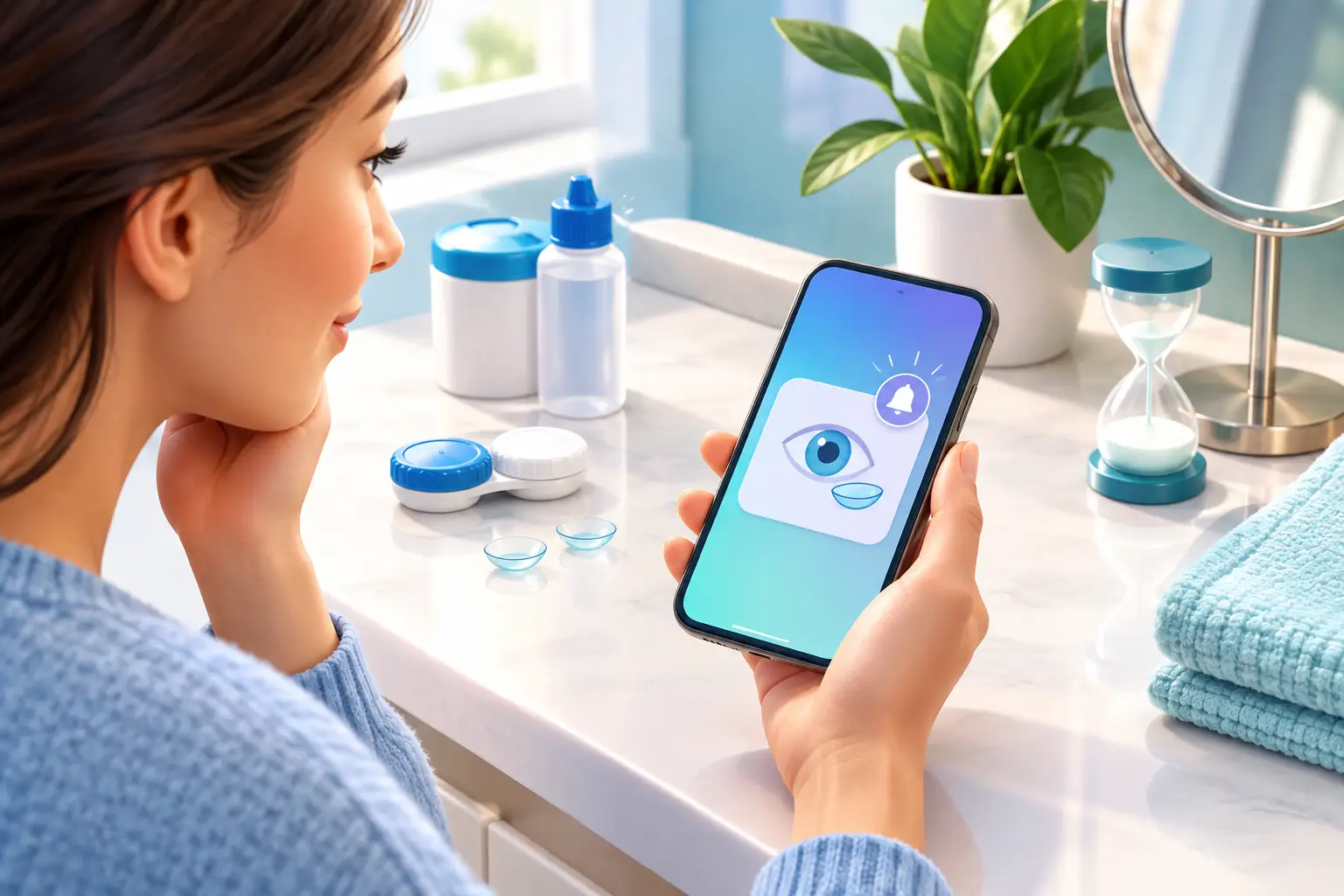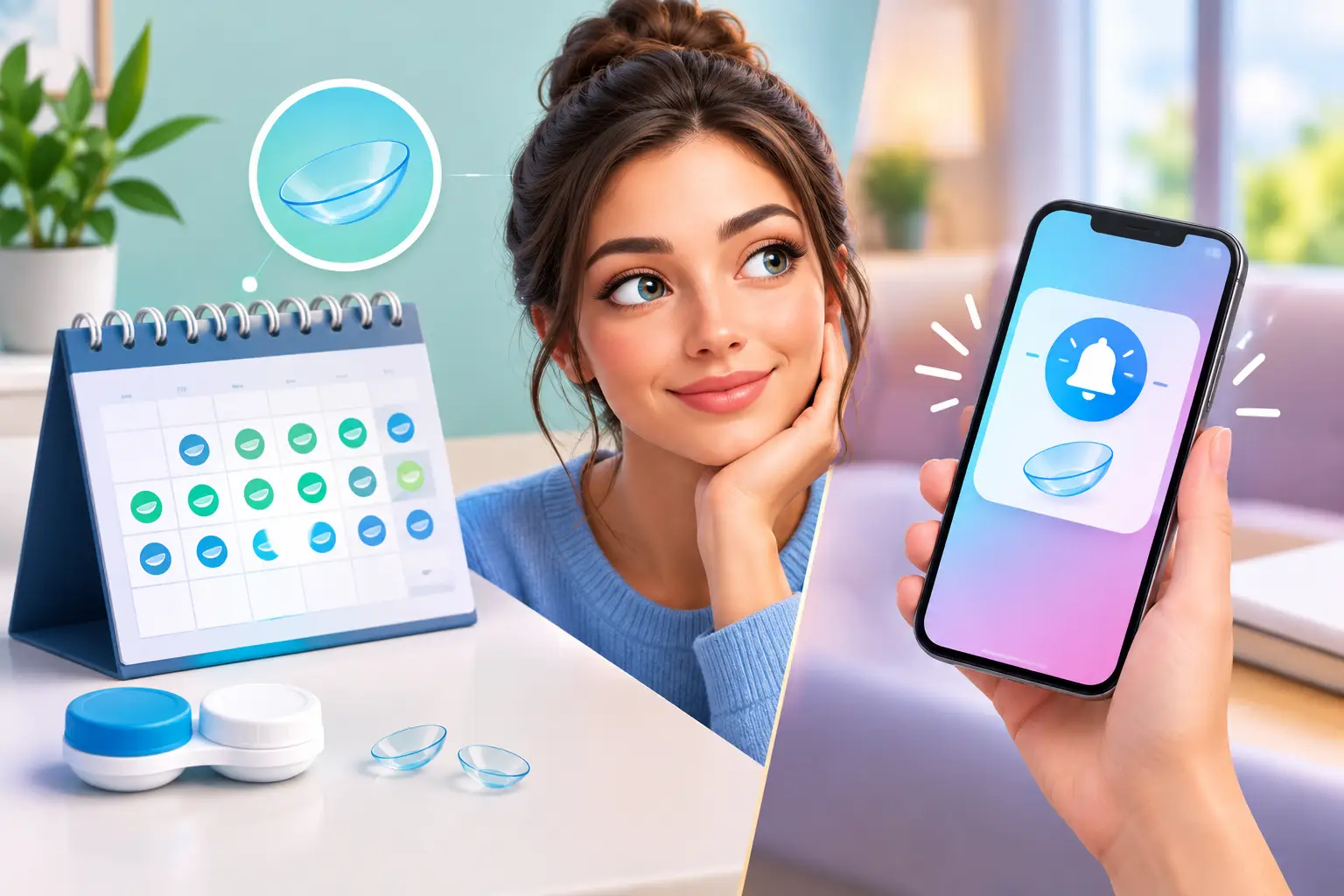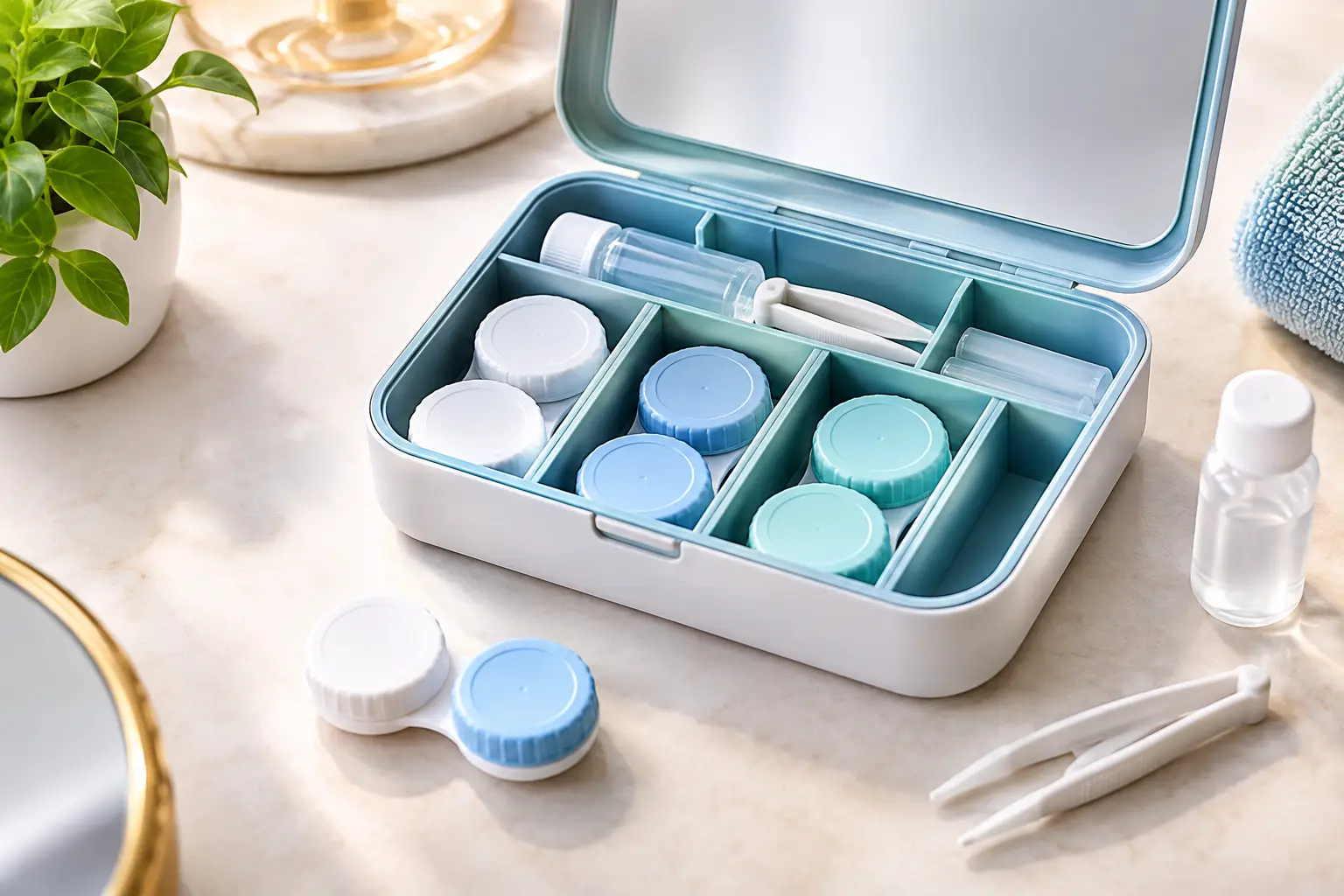
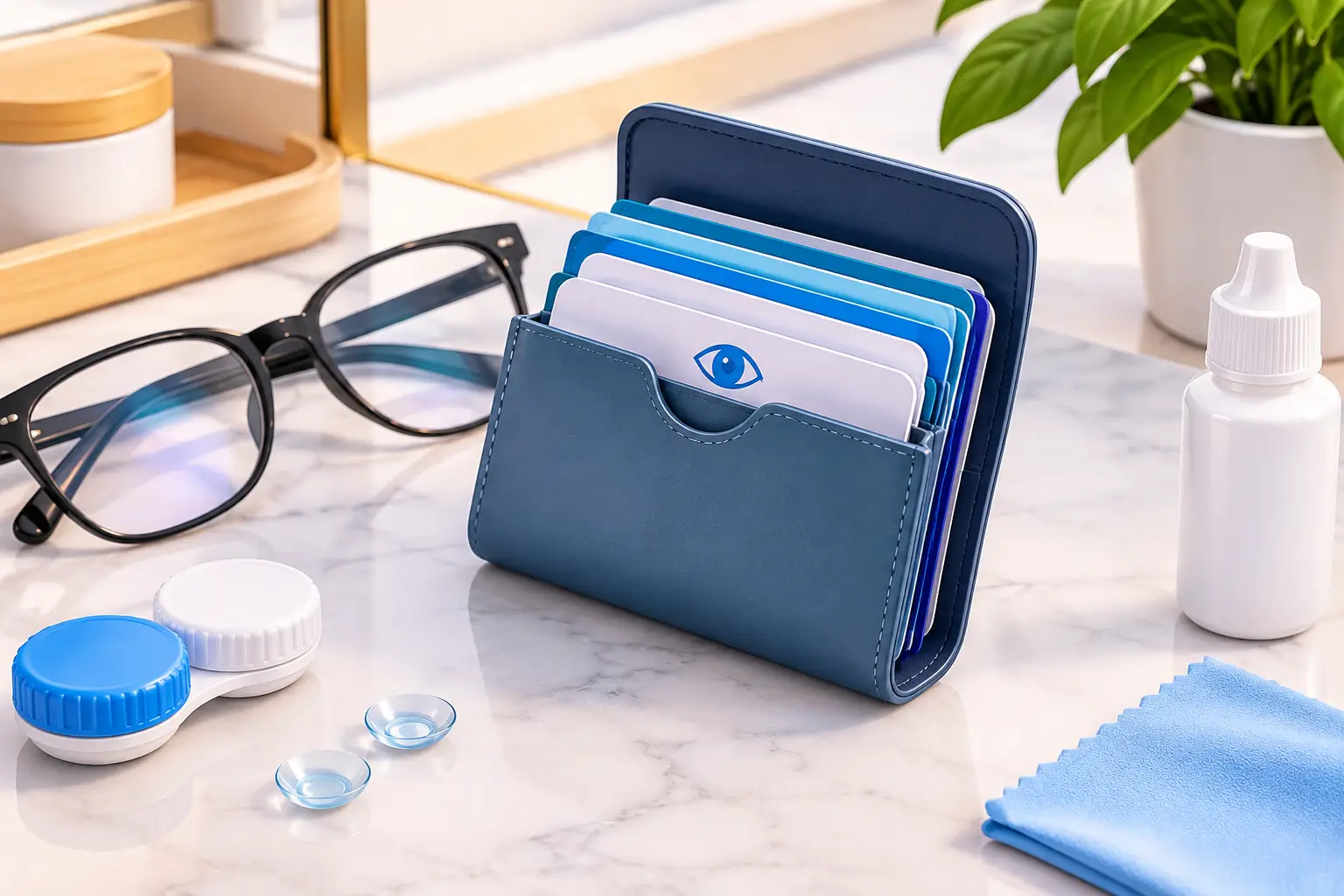
A contact lens case rarely tells the whole story. Once the box is tossed, it is easy to forget the prescription, brand, color, replacement schedule, or expiration date connected to that tiny case in the bathroom drawer. This prescription card holder review looks at whether a simple organization system can solve that everyday problem – and what separates a useful holder from one more item to manage.
For people with one pair of lenses, a handwritten note may feel sufficient. For anyone managing colored contacts, backup pairs, different prescriptions, or lenses purchased at different times, that approach gets messy fast. The best option is not just a place to put lens cases. It is a clear system that keeps the case and its essential details connected.
What a Prescription Card Holder Should Actually Do
A good prescription card holder should reduce guesswork. That sounds simple, but it matters when several lens cases look identical and the original packages are long gone. You should be able to open the organizer, identify the pair you need, and see the information that explains exactly what it is.
At minimum, a helpful system creates a designated spot for each lens case and a place to record the details you are most likely to lose. For contact lens wearers, that includes prescription strength, lens color, expiration date, purchase date, and where the lenses came from. If you wear cosmetic lenses as well as corrective lenses, color identification is especially useful. “Brown” or “gray” is not always enough when you own several similar shades.
The benefit is not paperwork for paperwork’s sake. It is about avoiding the small frustrations that interrupt a routine: opening several cases to find the right pair, wondering whether a lens is still current, or trying to recreate prescription information from memory.
Prescription Card Holder Review: The Features That Matter
Not every holder solves the same problem. Some are little more than sleeves for medical cards, while others are designed to organize the physical items connected to a prescription. For contact lenses, the second type is far more practical.
A clear connection between lenses and information
The most useful design keeps each lens case next to or directly associated with its record. When the information lives on a separate phone note, calendar, or loose scrap of paper, the system depends on you remembering to check two places. That is where mix-ups begin.
Look for labeled spaces that make it obvious which details belong to which pair. This is particularly helpful if your left and right prescriptions differ, if you rotate between daily looks, or if multiple boxes were purchased at different times.
Space for the details people really forget
A holder should give you room for more than a prescription number. Lens color, expiration date, purchase date, and brand can all matter. These details help you tell similar pairs apart and give you a clearer view of what you have on hand.
The expiration field deserves special attention. Many people remember when they opened a lens case, but not when the lenses themselves expire. Keeping that information visible makes it easier to review your supply before wearing a pair that has been sitting in a drawer for months.
Easy visual organization
A good organizer should make information faster to scan, not harder. Clear sections, readable labels, and color-coded identification can make a bigger difference than a complicated tracking method. The point is to see what you need at a glance during a normal morning or evening routine.
This is where a purpose-built contact lens organizer has an advantage over a generic container. A container can hold cases. An organizer helps you know what those cases are.
A clean home for lens cases
Organization is not only about labels. Lens cases can collect in medicine cabinets, countertop baskets, and drawers, where they get separated from their packaging and mixed with other personal care items. A dedicated storage system gives every case a consistent home.
That consistency is what turns a good intention into a routine. Instead of setting a new pair down “for now,” you have one place to put it and one place to check its information later.
Where Basic Card Holders Fall Short
A standard prescription card holder may work for an insurance card or a paper prescription, but it usually does not address the physical reality of owning multiple lens cases. The card is protected or stored, yet the lenses remain elsewhere. You still have to match the right details to the right pair.
Loose labels have similar limits. They can peel off, fade, or get placed on the wrong case. A note in your phone can be accurate, but it does not help much when you are standing in front of an unmarked group of cases. These methods are not wrong. They are simply less reliable when your lens collection grows.
A dedicated organizer also will not replace proper lens care. It cannot tell you whether lenses have been cleaned correctly, whether they should be replaced after their recommended schedule, or whether a prescription has changed. It is a tool for keeping your own purchase and usage information orderly. You still need to follow the instructions from your eye care professional and the lens manufacturer.
Who Gets the Most Value From This Type of Organizer?
The strongest fit is someone who owns more than one pair of contact lenses. Maybe you keep corrective lenses and colored lenses, switch colors for different looks, or buy several pairs while a favorite style is available. In each case, the number of details to remember rises quickly.
It can also help people who are naturally organized but tired of managing a scattered system. There is a difference between being careless and having a setup that asks too much of your memory. If lens boxes, receipts, and cases are all stored in different places, confusion is a predictable result.
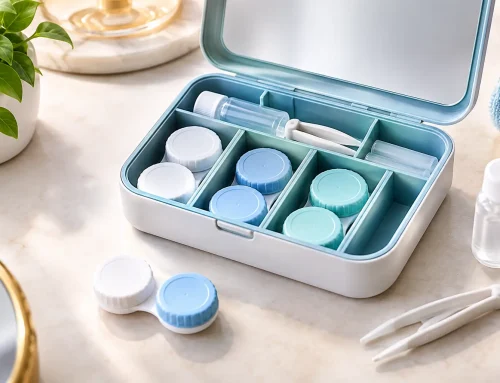
EYEBOX was designed around this specific issue: storing lens cases while preserving the prescription, color, expiration, and purchase details that usually disappear with the original packaging. For the user, the practical outcome is less time sorting through a drawer and more confidence that the pair in hand is the pair intended.
How to Set Up a Holder So It Stays Useful
The setup takes only a few minutes, but accuracy matters. Start with your current pairs, not every lens item you have ever owned. Add one pair at a time and copy the details directly from the original package before discarding it.
Record the prescription exactly as shown, including separate information for each eye when applicable. Add the color or style name rather than relying on a general description. Then include the expiration date and purchase date. A specific entry such as “Hazel Green, purchased March 2026” is much more useful than “green lenses.”
When a pair is finished, expired, or no longer part of your routine, remove it from the organizer. This small reset keeps the system useful. An organizer works best when it reflects what you actually wear now, not a collection of old cases and outdated notes.
Is a Prescription Card Holder Worth It?
It depends on how many lenses you manage and how often missing details create a problem. If you wear a single lens type, replace it on schedule, and keep the original packaging until it is empty, you may not need much more than a simple reminder. But for multiple pairs, colored contacts, or a busy bathroom drawer, the value is easy to see.
The best prescription card holder is not the one with the most features. It is the one that makes the right lens and the right information easy to find together. Give each pair a labeled place, update it when you add new lenses, and your contact lens routine can feel far less complicated.