You usually realize you forgot a lens expiration date at the worst possible moment – when a blister pack is gone, the box is missing, and two nearly identical cases are sitting in the bathroom. If you have ever guessed which pair to wear or tried to remember when you opened a set, you already know why learning how to track contact lens expiration matters.
For most contact lens wearers, the problem is not a lack of care. It is a lack of a system. Boxes get tossed. Cases get separated from labels. Colored lenses and prescription lenses can look similar once they are out of the original packaging. After that, you are relying on memory, and memory is not a great storage method.
The good news is that tracking expiration does not need to be complicated. A simple routine can help you keep dates, lens details, and pair identification in one place so you know what you have, when it expires, and what should be replaced.
Why contact lens expiration is easy to lose track of
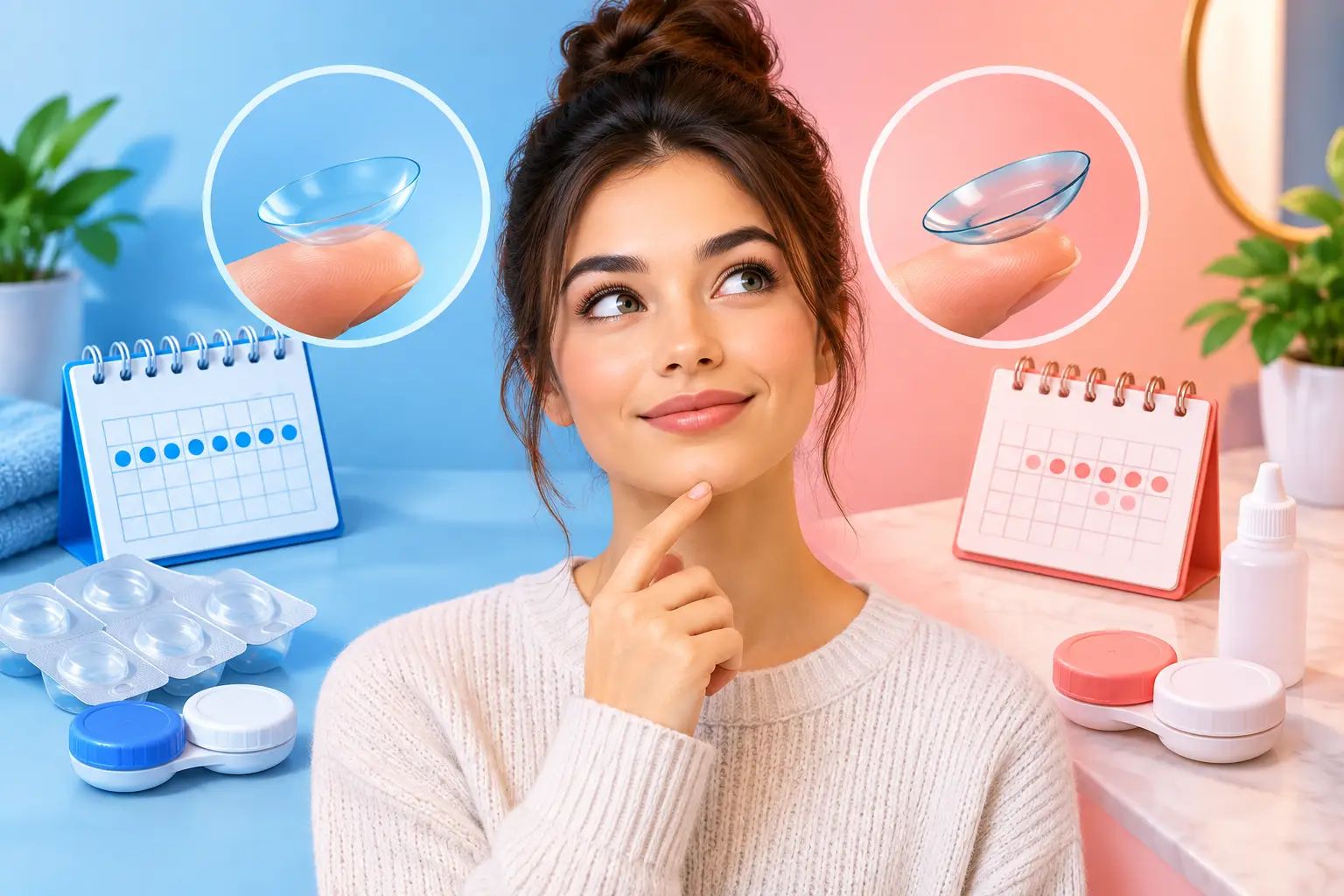
Contact lenses come with more than one timeline, which is part of the confusion. There is the manufacturer expiration date on the sealed package, and there is also the wear or replacement schedule once a lens is opened and used. Those are not the same thing.
A sealed lens may have a printed expiration date years out, while a monthly lens may need to be discarded 30 days after opening. Daily lenses are even simpler in theory, but people still mix up unopened boxes, color variations, or prescription details. If you wear multiple pairs, the chances of confusion go up fast.
Another issue is that the packaging holds the information, but the packaging rarely stays around. Once the outer box is discarded, the details often go with it. That is when people start writing dates on random sticky notes, phone reminders, or nothing at all.
How to track contact lens expiration without relying on memory
The easiest way to make this manageable is to track three things every time you get a new pair: what the lens is, when the sealed product expires, and when the lens was opened. If you only track one of those, gaps show up later.
Start by keeping the original lens details before anything gets thrown away. That includes the brand, prescription, color if applicable, purchase date, and manufacturer expiration date printed on the packaging. Then add the date you opened the pair and the date it should be replaced based on its wear schedule.
This may sound obvious, but the real difference is keeping all of that information attached to the actual pair you are using. A note in your phone helps, but if the case itself is unlabeled, you can still grab the wrong pair. A box in a drawer helps, but if several boxes are mixed together, you are back to searching.
That is why physical organization matters as much as date tracking. You need a setup where the case and the lens information stay connected.
Build a simple expiration tracking system
A good system should answer four questions in seconds: Which lenses are these? When did I open them? When do they expire? Are they prescription or cosmetic?
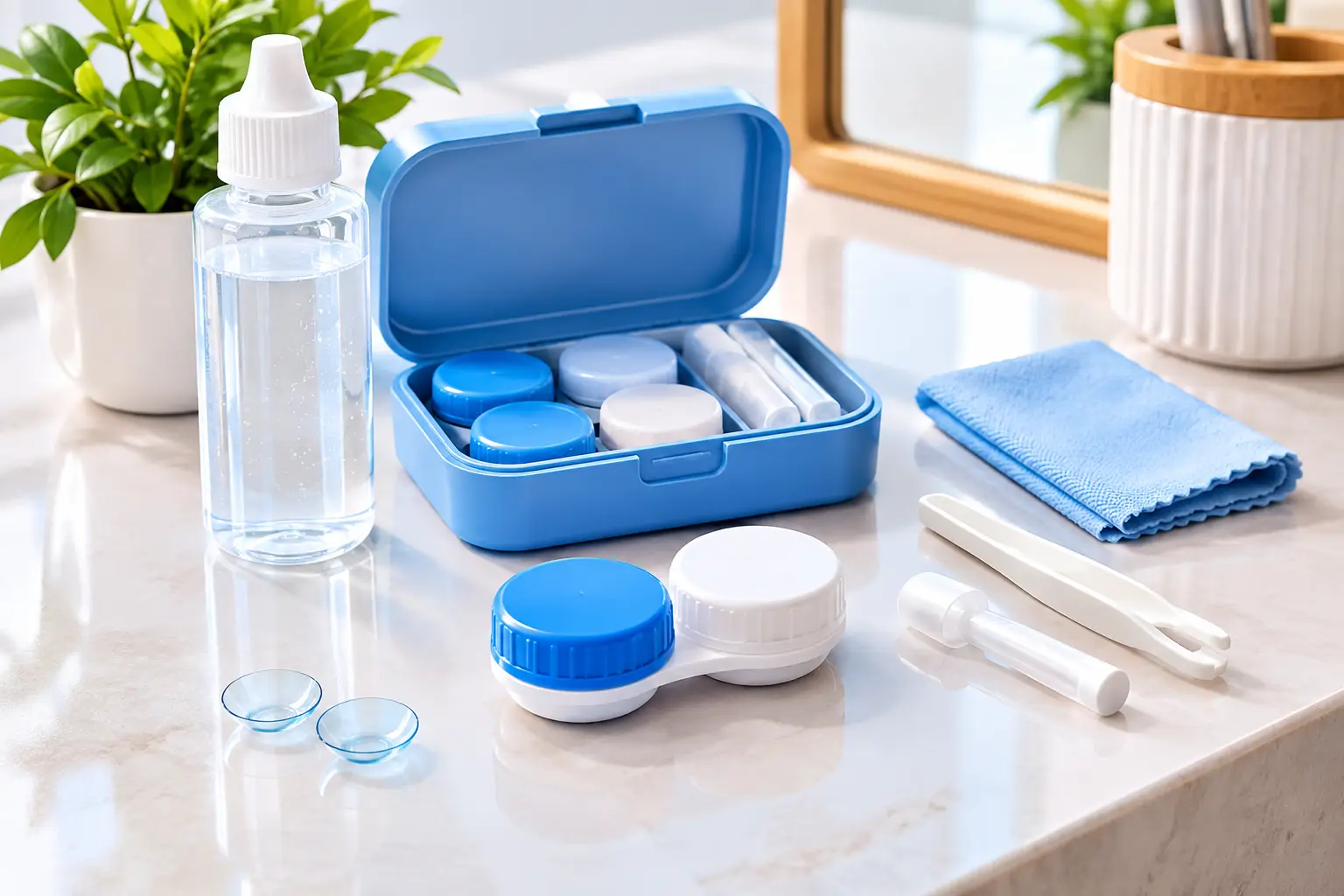
One practical approach is to give every pair its own clearly identified spot. Store the lens case with its details recorded right next to it, not separately. If you wear lenses in different colors or prescriptions, make those distinctions visible too. When similar pairs are grouped without labels, mistakes happen.
If you want the process to stay consistent, use the same routine every time:
- Record the lens type and prescription when you buy or receive it
- Save the printed manufacturer expiration date before discarding packaging
- Write down the date you first open the pair
- Calculate the replacement date based on whether the lens is daily, biweekly, monthly, or another schedule
- Keep that information stored with the case you actually use
This is where a purpose-built organizer can make everyday life easier. Instead of piecing together labels, cases, and notes from different places, a system like EYEBOX keeps lens cases and key details organized together so the information does not disappear once the box is gone.
What dates should you actually track?
When people ask how to track contact lens expiration, they are often thinking about a single date. In real use, there are usually two dates that matter.
The first is the package expiration date. This is the date printed by the manufacturer on the sealed lens packaging. It matters for unopened lenses and backup inventory. If you buy multiple boxes or rotate between different colors, this helps you use older stock first and avoid keeping lenses past their sealed shelf life.
The second is the replacement date after opening. This is often the one people forget. A monthly lens is not good forever just because the box had a future expiration date. Once opened, the replacement clock starts based on the product instructions.
For some users, there is a third useful date: the purchase date. That is not a medical requirement, but it helps with reordering, budgeting, and spotting older pairs that have been sitting around longer than expected.
The biggest tracking mistakes to avoid
One common mistake is assuming you will remember when you opened a pair. You might for a few days. You probably will not remember accurately after a few weeks, especially if you rotate between glasses and contacts or wear multiple styles.
Another mistake is storing all lens cases together with no clear labeling. This is especially frustrating for people who wear colored contacts. Blue, gray, hazel, and prescription clear lenses can all become a guessing game once the packaging is gone.
There is also the habit of keeping information in too many places. Maybe the prescription is on the box, the open date is in your phone, and the case is in a drawer. Technically the information exists, but it is not useful when you need it. A scattered system creates the same stress as no system.
Finally, some people track only unopened product expiration and forget replacement timing after first use. That is a major gap. Sealed shelf life and active wear life are different, and both need attention.
How to track contact lens expiration for multiple pairs
If you only wear one standard prescription lens every day, tracking is fairly simple. If you rotate between daily wear lenses, backup pairs, and cosmetic colors, the process needs more structure.
In that case, sort each pair by a clear identifier. Color is one. Prescription strength is another. Intended use can help too, such as everyday vision lenses versus cosmetic lenses for occasional wear. The goal is to remove the need to inspect, compare, or guess.
It also helps to use a first-in, first-out mindset for unopened lenses. Older sealed pairs should be used before newer ones when possible. That reduces waste and lowers the chance of finding an expired unopened set later.
For opened pairs, keep the replacement date visible at the point of storage. If you have to search for a notebook or scroll through old reminders, the system will break down over time. Convenience matters more than people think. The easier the tracking method, the more likely you are to keep using it.
A better routine takes less effort than fixing mix-ups
Most lens expiration problems start small. A missing box. An unlabeled case. A pair you meant to replace last week. Then the whole setup becomes something you have to think about every time you reach for your lenses.
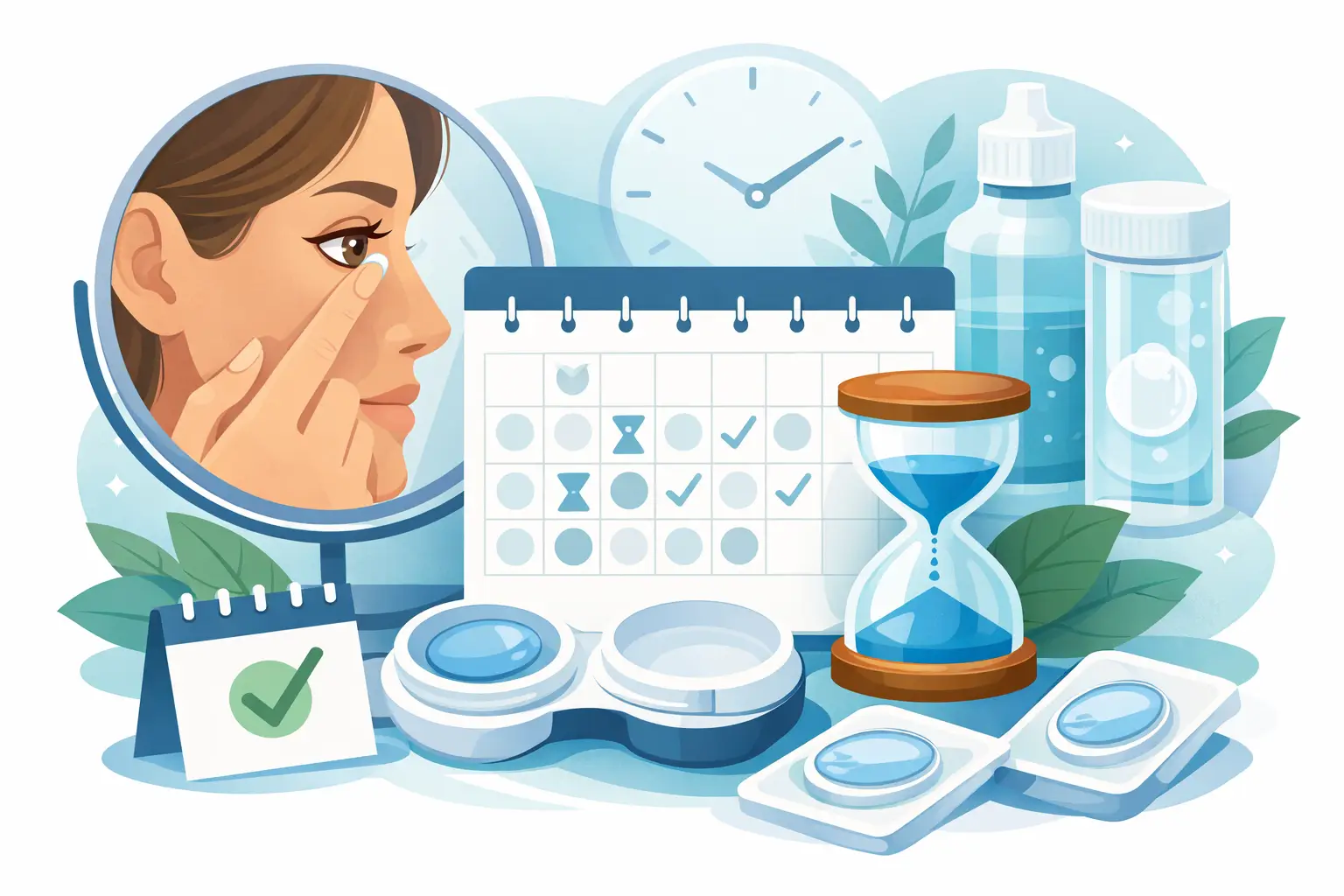
A better routine removes that friction. Keep the details from the packaging. Record the open date right away. Store each pair with its identifying information. Make the replacement date visible. That is the difference between hoping you remember and actually knowing.
If your current setup involves loose cases, discarded cartons, and mental notes, the fix is not more effort. It is better organization. Once your lens details and your lens cases stay together, expiration tracking becomes part of the routine instead of a recurring problem.
The best system is the one you will keep using every day, because contact lens care gets much easier when nothing is left to guesswork.