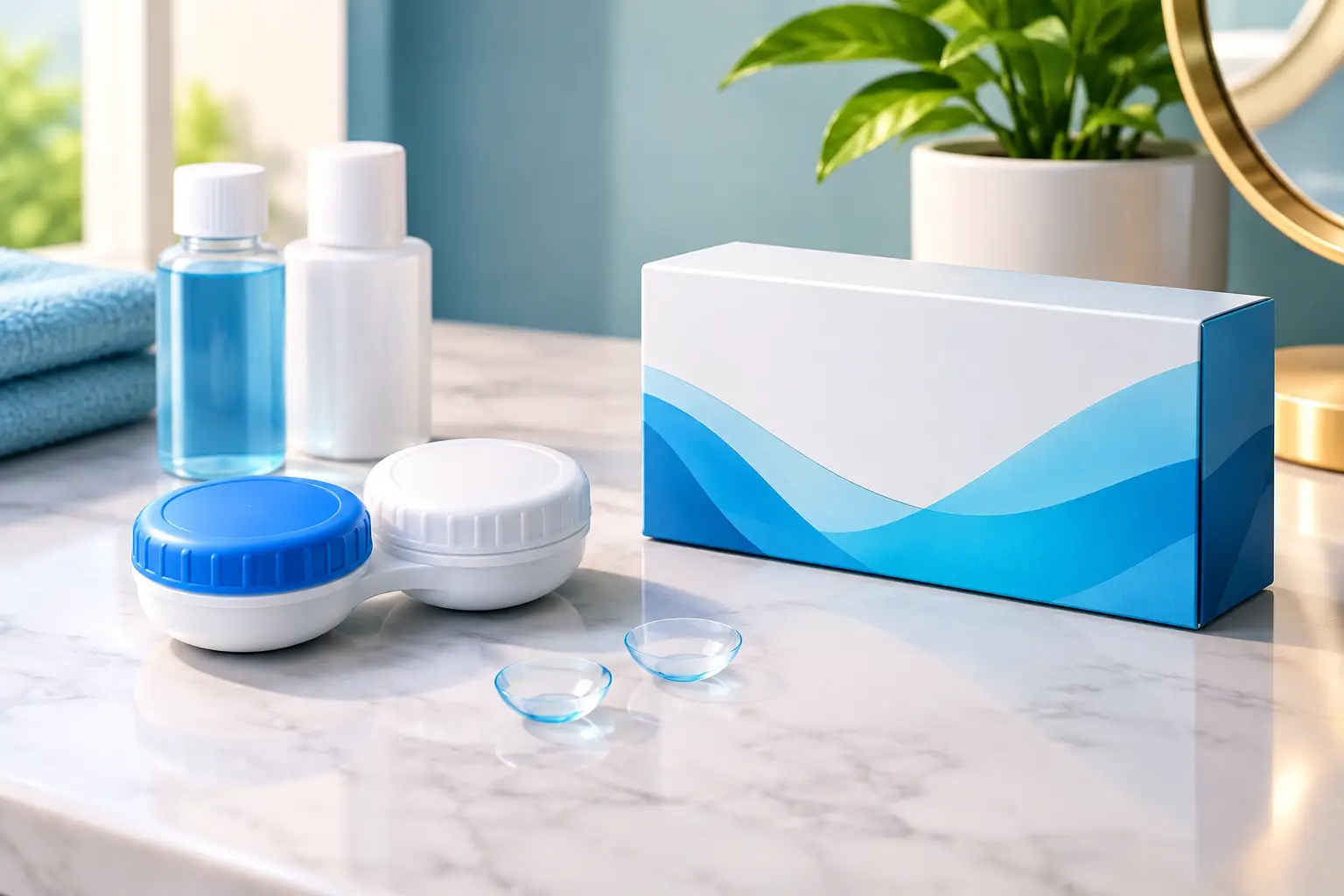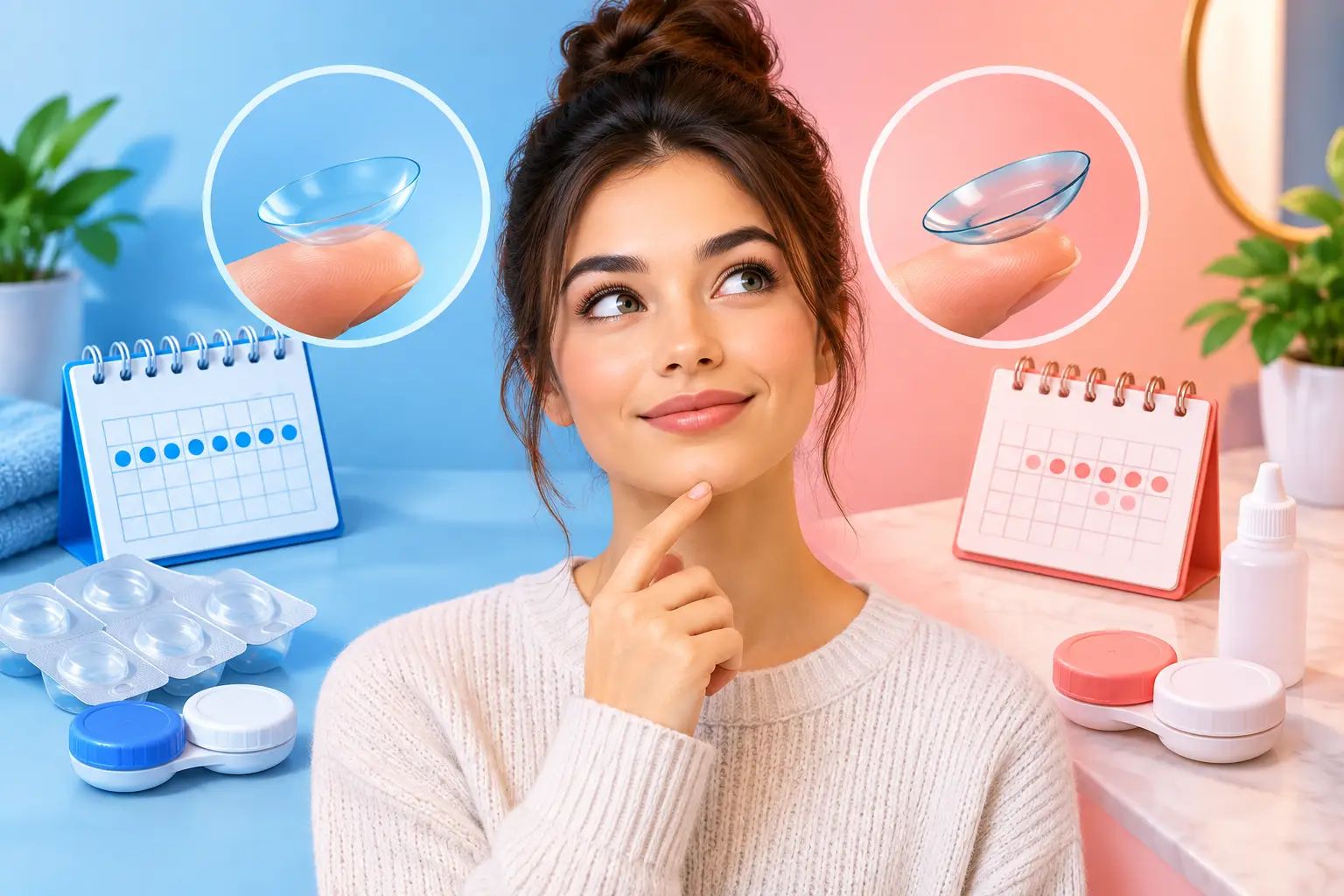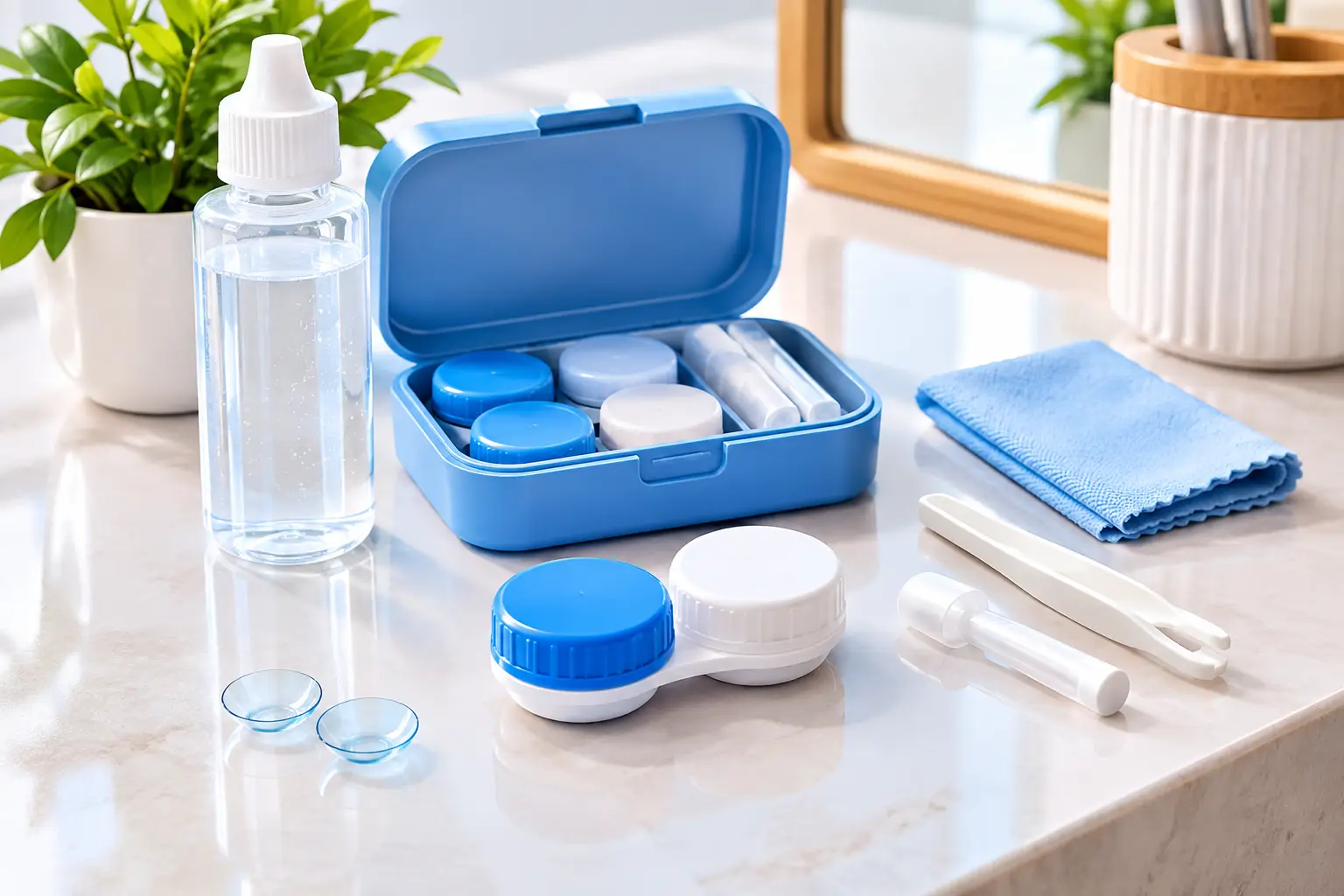
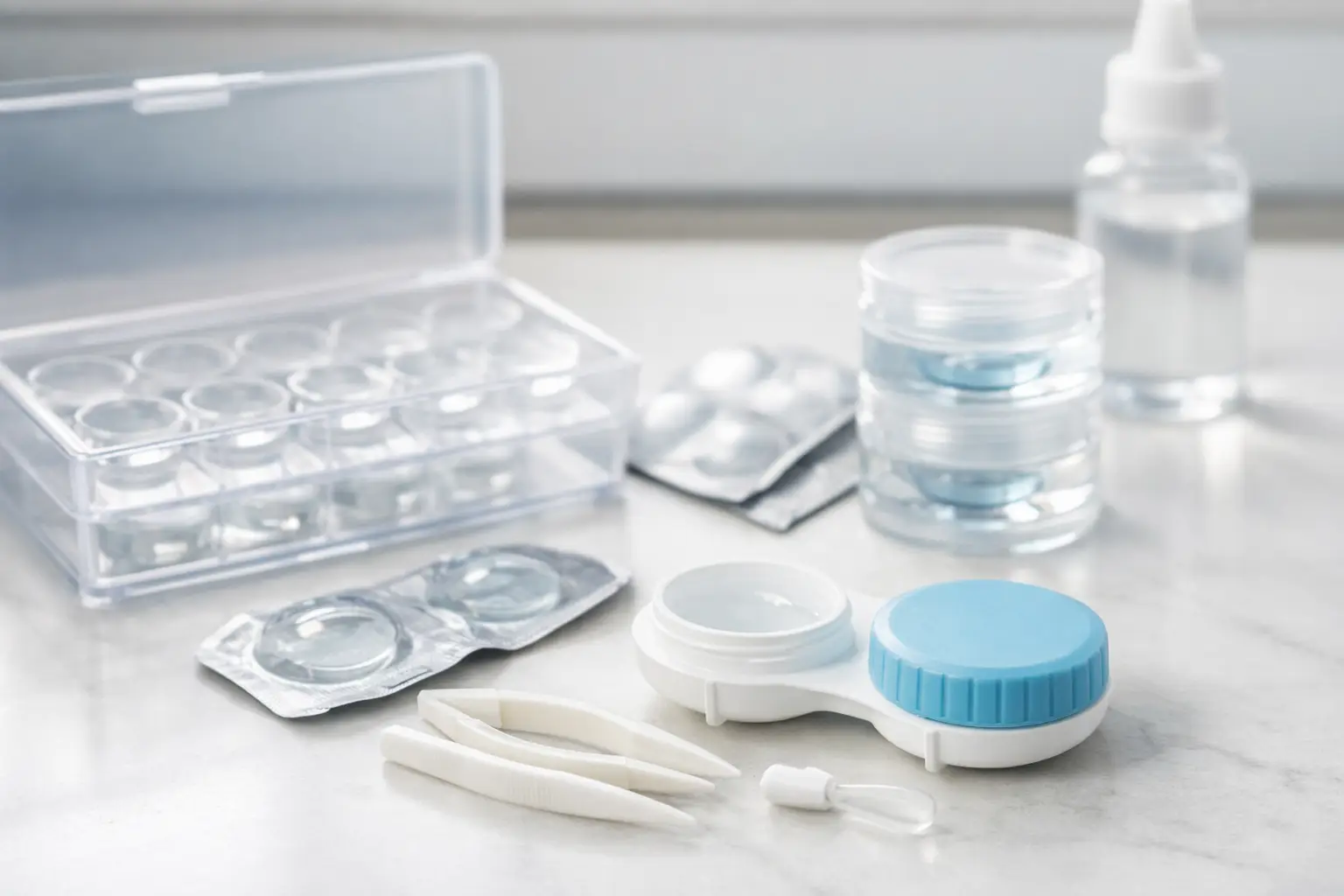
If you wear more than one pair of contacts, you already know how fast the routine gets messy. One case looks like another, the box with the prescription gets tossed, and suddenly you are guessing which pair is which. Good contact lens organization fixes that problem before it turns into wasted lenses, irritation, or a daily scavenger hunt in your bathroom drawer.
For a lot of people, the issue is not carelessness. It is that contact lenses come with small pieces, repeated purchases, and details that are easy to lose. Prescription strength, color name, expiration date, purchase date, replacement schedule – those details matter, but they are usually attached to packaging that gets thrown away. Once that happens, you are left trying to remember information that should have stayed with the lenses from the start.
Why contact lens organization matters more than people think
When contacts are disorganized, the cost is not just clutter. It can mean opening the wrong pair, wearing lenses longer than intended, or mixing up cosmetic lenses that look similar in the case. If you wear both prescription and colored lenses, the margin for error gets even smaller.
Organization also helps protect what you paid for. Contacts are not cheap, especially if you keep multiple pairs on hand for different looks or different vision needs. A system that makes each pair easy to identify can help you avoid replacing lenses early because they were mixed up, mishandled, or forgotten.
There is also the simple relief factor. A good system removes friction from your routine. Instead of checking random boxes, loose cases, and old notes, you know where everything is and what each pair is for. That may sound small, but it makes mornings easier and travel a lot less annoying.
The biggest problems with storing contacts the usual way
Most people do not start out with a real system. They use whatever space is available – a bathroom shelf, a makeup bag, a medicine cabinet, or the original packaging stacked in a drawer. That works for a while, until the details start separating from the lenses.
The first problem is packaging loss. The box often holds the most useful information, but it is bulky and not designed for long-term storage. Once it gets tossed, so does the quick reference for power, base curve, color, and expiration.
The second problem is visual confusion. Contact lens cases are small, and many look almost identical. If you use multiple pairs, especially colored lenses in similar shades, it becomes easy to second-guess what is inside each case.
The third problem is timeline drift. People mean to remember when they opened a pair or when it needs to be replaced, but memory is not a reliable tracking tool. If your system depends on remembering dates, it is probably not a system.
What a better contact lens organization system looks like
A useful system does three jobs at once. It stores the lens case, keeps the important details attached to that pair, and makes identification quick at a glance.
That means physical storage is only part of the answer. A basket or drawer organizer may make things look cleaner, but if it does not preserve prescription details, color information, and expiration dates, the root problem is still there. Clean-looking clutter is still clutter if you have to guess.
The best setup is one where every pair has a dedicated place and a dedicated record. When you pick up a case, you should know exactly what it is without opening old boxes or searching through your phone for order confirmations.
Color coding can help, but only if it is tied to real information. Otherwise, it just adds another layer to remember. Labels help too, but handwritten notes on random containers tend to wear off or get separated from the actual pair.
How to organize contact lenses in a way you will actually keep using
Start by pulling every pair of lenses, every case, and any remaining boxes or purchase notes into one place. This gives you a full picture of what you have. It also makes it easier to match loose cases with the right lens details while you still can.
Next, sort by category. If you use daily prescription contacts and occasional cosmetic lenses, separate those groups first. If you have several colored pairs, sort those by shade or use case. The goal is not to create a complicated filing system. It is to reduce the number of decisions you make when you reach for a pair.
Then assign each pair a permanent home. This is where many people go wrong. They organize once, but do not create a place that is clearly meant for that exact pair. Without a dedicated spot, everything slowly slides back into a mixed drawer.
After that, capture the details that matter. For each pair, keep the prescription, color, expiration date, and purchase date with the case. If one of those details matters more for your routine, prioritize it, but do not rely on memory alone. The whole point is to make identification automatic.
Finally, place the system where you actually use your contacts. If your organizer is stored in a hard-to-reach closet while you put in lenses at the bathroom sink, you probably will not maintain it. Convenience is part of organization. If the system does not fit your routine, it will not last.
The trade-off between simple storage and true tracking
Some people only need light organization. If you wear one type of lens and replace it on a very predictable schedule, basic storage may be enough. A clean, dedicated space could solve most of your frustration.
But if you wear multiple pairs, rotate colors, or switch between prescription and cosmetic lenses, simple storage usually falls short. That is where tracking becomes just as important as storing. You need a way to connect each case with the information that tells you what it is, when you bought it, and when it should be replaced.
That is why purpose-built products tend to work better than generic containers. A makeup organizer was not designed around contact lens details. A medicine drawer insert does not solve the issue of similar-looking lens cases. General storage products can tidy the space, but they usually do not solve the contact-specific confusion.
Why this matters for colored contact users
Colored contacts create a special kind of clutter because the differences between pairs can be subtle. Two brown shades may look close in the case but create very different results once worn. If the original packaging is gone, it becomes easy to forget the exact color name or brand.
That matters when you want consistency. If you loved a certain look and want to reorder it, you need the correct information. If you are trying to avoid mixing a plano cosmetic pair with a prescription pair, you need even more clarity.
This is where a dedicated organizer can save time and money. Instead of treating every case like a mystery item, you keep the shade, prescription, and timeline attached to the pair itself. EYEBOX was created around that real-world problem, which is why the idea is less about making your shelf look neat and more about making your lenses easier to manage every day.
A system that works at home and while traveling
Travel is where weak organization systems usually fall apart. At home, you may get by with remembering where things are. In a hotel, at a friend’s place, or during a rushed weekend trip, memory gets less reliable fast.
A travel-friendly system should be compact, contained, and easy to check quickly. You should not need to pack original boxes or carry separate notes to remember which lenses you brought. If your contact setup travels as one organized unit, you are much less likely to mix up cases or leave something behind.
This matters at home too. Bathrooms and medicine cabinets are often small, shared, or humid. An organizer that contains your contact routine in one place keeps your setup cleaner and easier to maintain. Less spreading out usually means less losing track.
The easiest way to tell if your current setup is failing
If you have ever asked yourself, Is this the right pair, how long have I had this open, or where did I put the box, your system is already giving you the answer. It is not working well enough.
A good setup removes those questions. It does not need to be elaborate. It just needs to make the right pair easy to find and the important details easy to confirm. That is the standard.
Contact lens organization should make your routine feel lighter, not more complicated. When every pair has a place and every detail stays attached, you spend less time guessing and more time getting on with your day. A small fix in your storage routine can bring a surprising amount of calm to something you do all the time.
#ad #contactlenscases