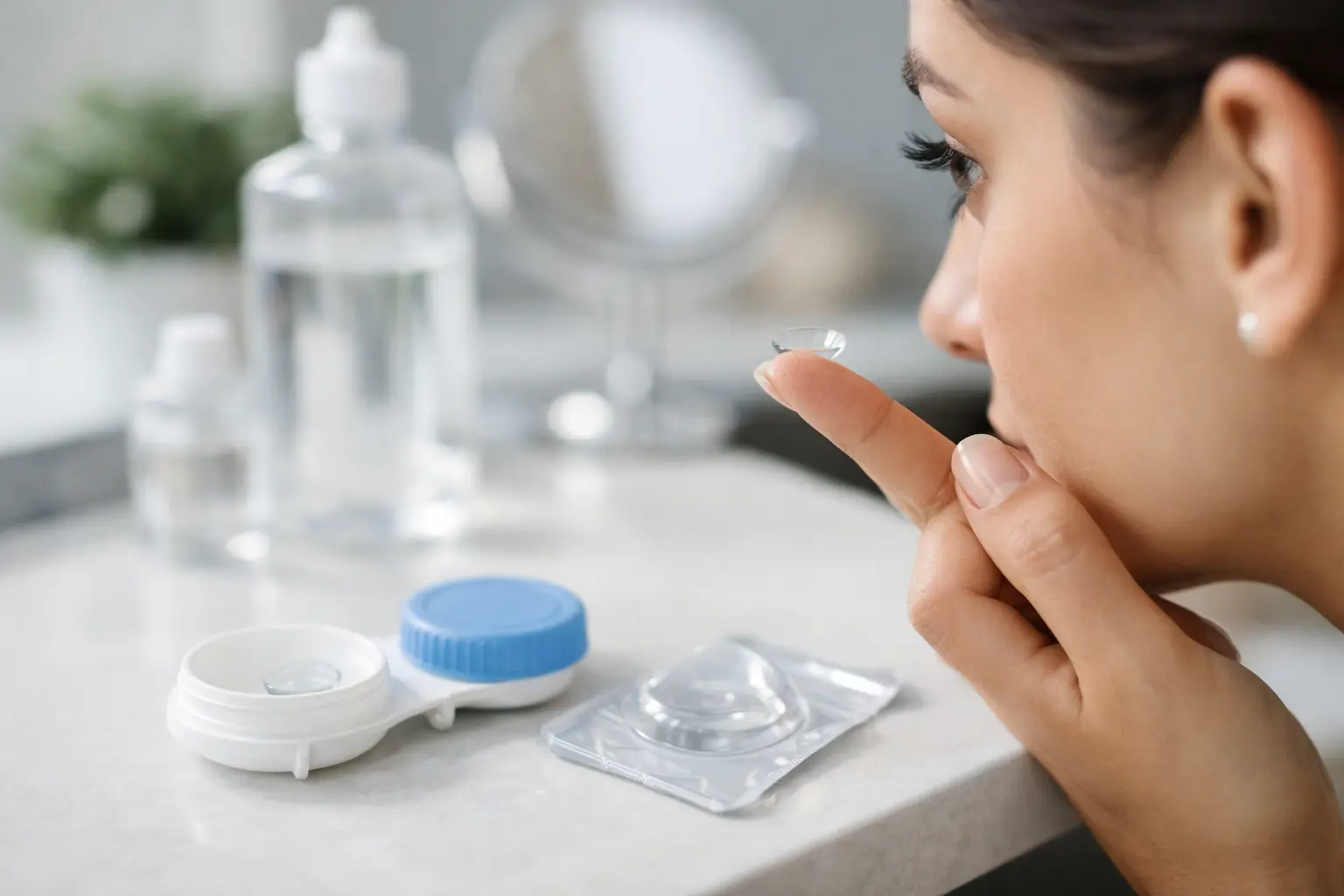
A contact lens case can look perfectly fine long after the information that came with it is gone. That is where mistakes start: an unopened box gets mixed with an older one, a monthly lens stays in rotation too long, or a colored pair is used without anyone remembering when it was opened. If you are asking, “when do contact lenses expire,” the answer depends on which date you mean – and keeping those dates visible makes the decision much easier.
When Do Contact Lenses Expire? There Are Two Timelines
Contact lenses usually have an unopened package expiration date and an after-opening replacement schedule. They are not the same thing.
The expiration date printed on a sealed blister pack or lens box applies while the lens remains unopened and properly stored. The manufacturer uses that date to confirm the sterile packaging, lens material, and solution are expected to remain safe and effective through that point. Once that date has passed, do not wear the lens, even if the package looks intact.
The second timeline starts when you open the lens. A monthly lens is generally replaced one month after opening it, not after you have worn it 30 times. A two-week lens is replaced two weeks after opening. Daily disposable lenses are worn once and discarded after removal, whether you wore them for two hours or twelve.
This is the detail people most often lose track of. The box may say it expires next year, but that does not extend the usable life of a reusable lens you opened six weeks ago.
The Date on the Box Matters Before Opening
Every box or foil blister pack should have an expiration date, often printed near the lot number. That date is for the unopened lens in its original sterile seal.
Avoid using lenses from expired packaging for a simple reason: you cannot confirm that sterility and lens performance have been maintained past the manufacturer’s stated date. A lens may feel normal at first, but eye irritation and infection risks are not worth guessing about.
Keep in mind that contact lens expiration dates are different from your prescription expiration date. Your prescription tells you when you need another eye exam or fitting authorization. The lens package date tells you whether the product itself is still within its manufacturer-approved shelf life. Both need attention, especially if you keep backup boxes or order multiple colors and powers at once.
If you have several boxes, write down the expiration date as soon as you receive them. This prevents a common drawer problem: newer boxes get used first while older, still-sealed boxes disappear behind them until they are no longer usable.
Replacement Schedules Start the Day You Open a Lens
Reusable lenses collect deposits from tears, skin oils, makeup, and the environment. Cleaning and disinfecting help, but they do not make a lens last indefinitely. The replacement schedule is designed around the lens material and the amount of safe wear it can reasonably handle.
For most wearers, the schedule looks like this:
- Daily disposables: discard after one use.
- Weekly or two-week lenses: replace on the schedule prescribed for that lens, starting on opening day.
- Monthly lenses: replace one month after opening, even if they were only worn occasionally.
- Quarterly or annual lenses: follow your eye care professional’s specific instructions, since these lenses require especially consistent cleaning and tracking.
“Occasional use” does not usually pause the calendar. If you opened a monthly colored lens for a special event and then stored it for several weeks, it may still reach its replacement date before you have worn it many times. Follow the instructions supplied with your exact lens brand and the guidance of your eye care professional.
Why Old Lenses Are Not a Good Shortcut
Stretching a replacement schedule may seem harmless when a lens still feels comfortable. But comfort is not a reliable test for cleanliness or material condition. Over time, a reusable lens can accumulate deposits and become less breathable. It may also develop tiny damage that is difficult to see.
Wearing lenses beyond their intended schedule can contribute to dryness, redness, blurred vision, discomfort, and a higher chance of eye complications. Colored contacts need the same care as prescription contacts. A cosmetic lens is still a medical device that sits directly on your eye.
If a lens is torn, chipped, dried out, contaminated, or suddenly uncomfortable, replace it right away. Do not try to “save” a lens by rinsing it with tap water or saliva. Use only the contact lens solution recommended for your lens type, and never wear a lens that has been stored in water.
Your Lens Case Has an Expiration Date Too, in Practice
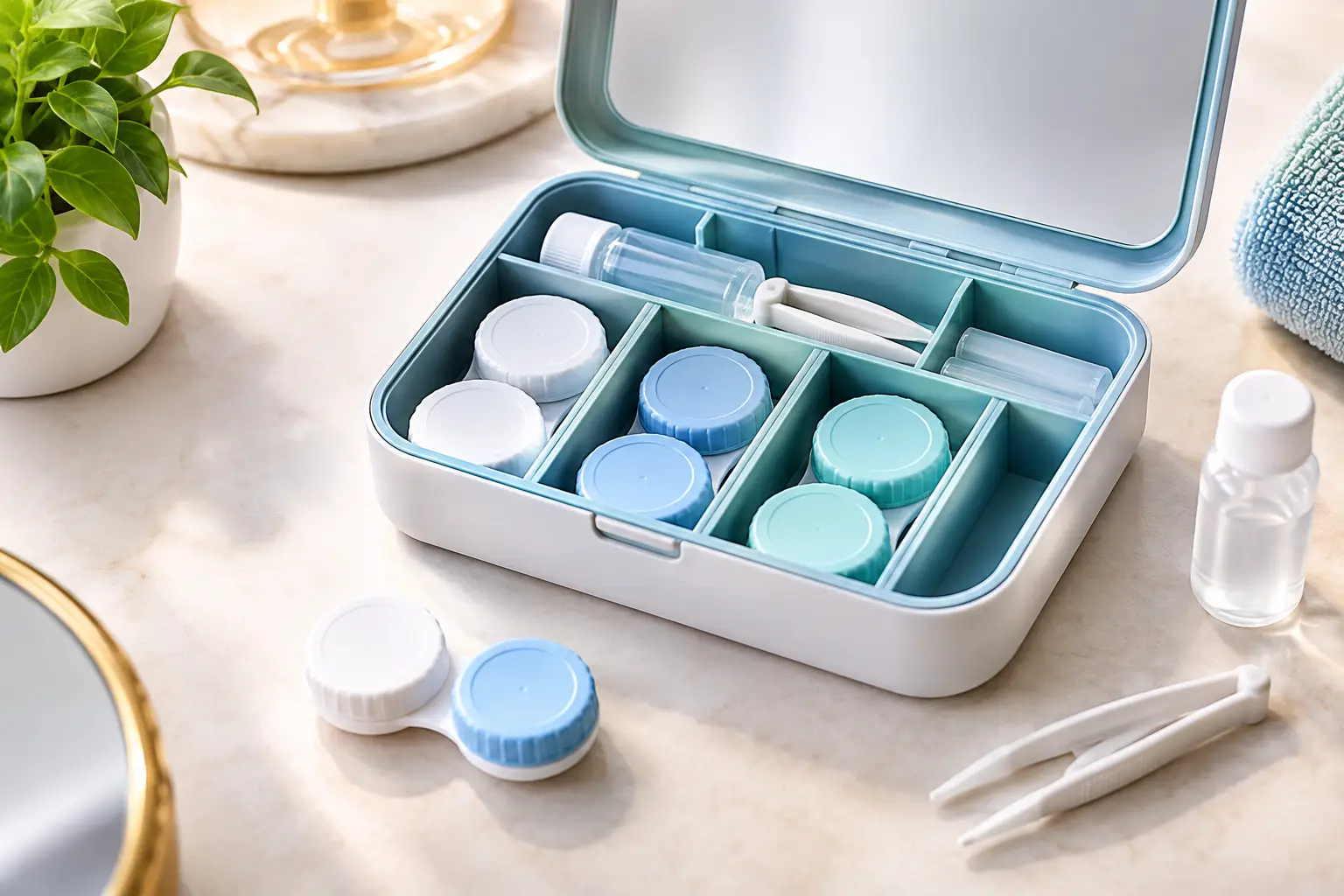
A lens case does not usually carry the same printed expiration date as a lens box, but it still needs regular replacement. Most eye care professionals recommend replacing a contact lens case at least every three months, or sooner if it is cracked, stained, damaged, or difficult to clean.
Each time you insert your lenses, empty the old solution from the case. Rinse the case with fresh multipurpose solution, not water, and leave it open to air dry. Refill it with fresh solution before storing lenses again. Never top off yesterday’s solution.
A case can become the weak point in an otherwise careful routine. If you do not know how long you have had it, replacing it is usually the simplest choice. A fresh case costs far less than dealing with an irritated or infected eye.
How to Keep Every Lens Date Straight
The easiest system is the one you will actually use. You need to be able to see which pair is which, when it was opened, when it must be replaced, and when the unopened backup box expires.
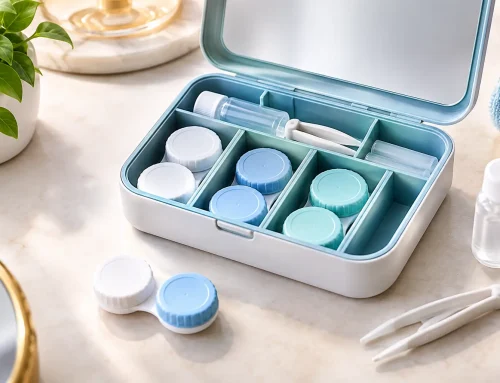
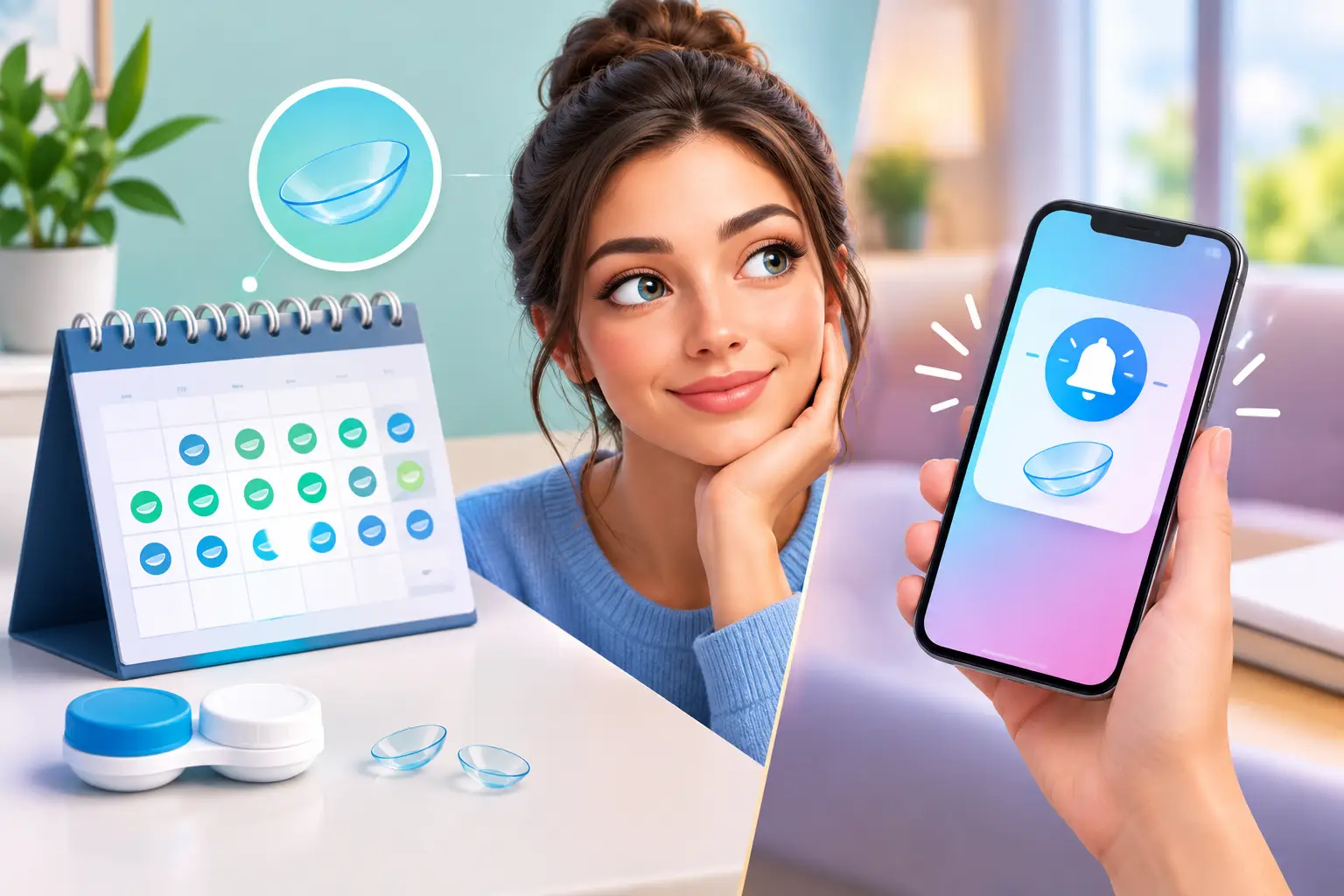
Start by labeling each lens case or storage spot with the lens type, prescription, and color if applicable. Then record two dates: the day the lens was opened and the day it needs to be discarded. For unopened boxes, record the printed package expiration date before you throw away any outer packaging.
This matters even more if you wear different prescriptions, rotate colors, keep specialty lenses for certain occasions, or share a bathroom cabinet with other contact lens wearers. Similar-looking cases create easy mix-ups. A clear, color-coded system turns a vague memory task into a quick check.
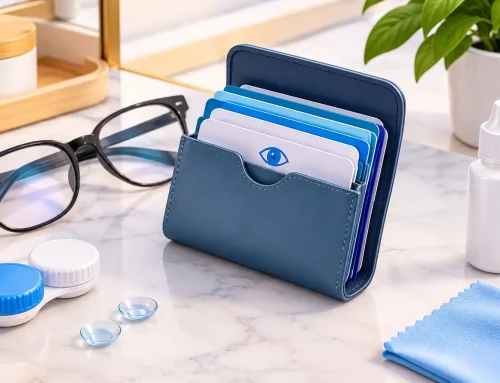
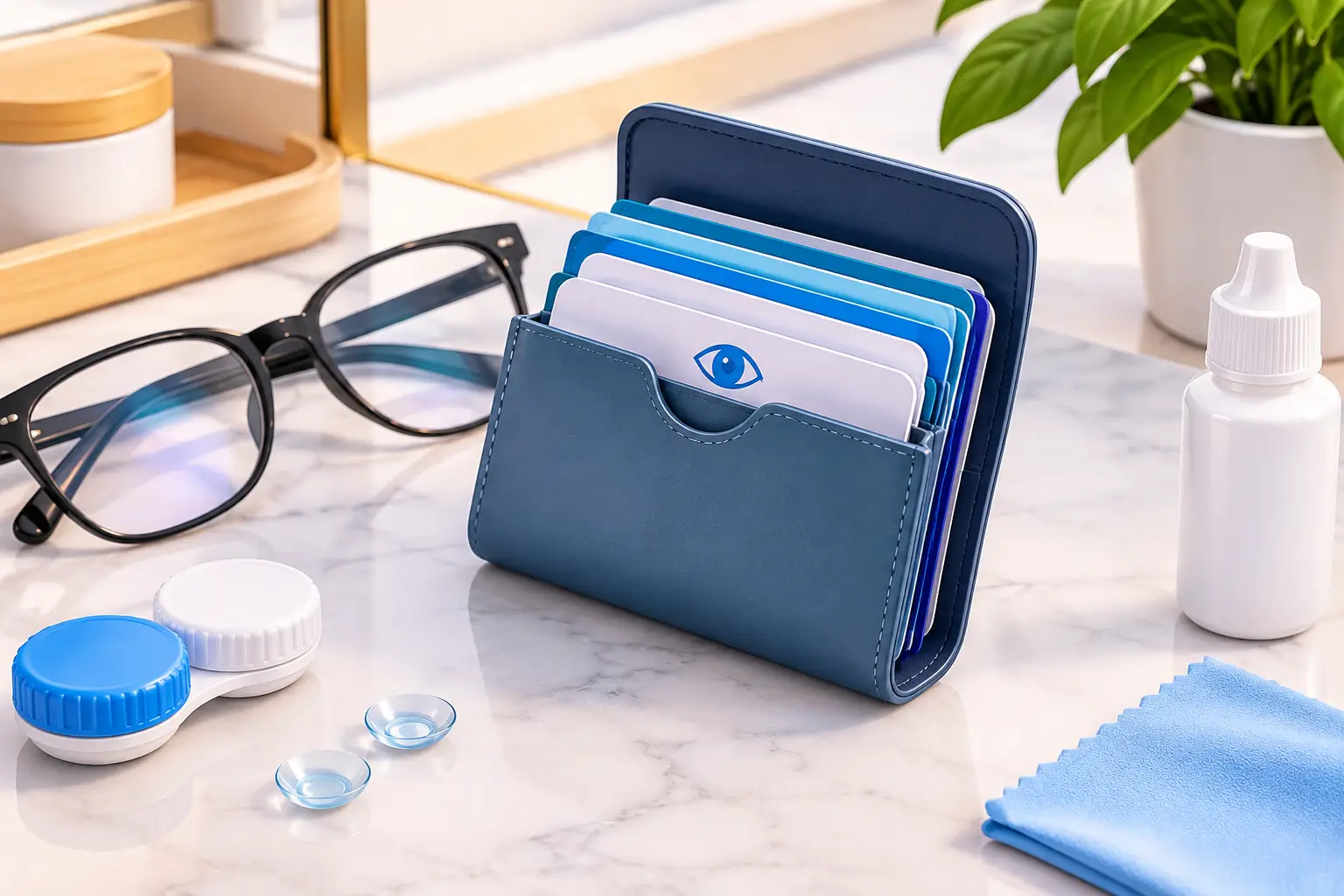
EYEBOX was created for exactly this kind of everyday lens clutter: keeping lens cases alongside the details that tend to get lost, including prescription, color, purchase information, and expiration dates. Instead of searching through old boxes or trying to remember when a pair was opened, you can keep the information with the lenses it belongs to.
What If You Cannot Remember When You Opened Them?
When the opening date is unknown, the safest answer is not to guess. Discard the lenses and start with a fresh pair. It can feel wasteful, particularly with specialty or colored lenses, but using a lens beyond its replacement schedule is not a good trade-off for your eye health.
The same rule applies if you find a loose lens case in a drawer and cannot identify the prescription, color, or storage history. If you cannot confirm what it is or how long it has been there, do not put it in your eye.
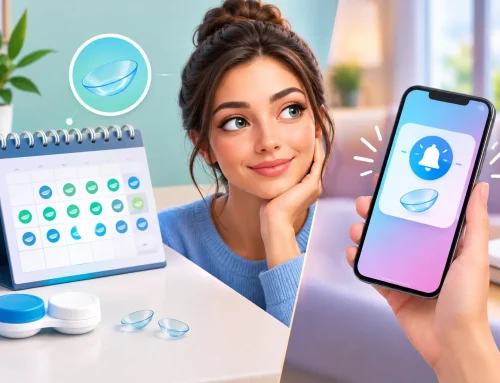
For future pairs, set a phone reminder on opening day or add the replacement date to the place where you store your lens cases. A visible record works better than relying on memory, especially during busy weeks when routines change.
A Quick Check Before You Put Lenses In
Before insertion, confirm that the lens is within both timelines: the original package was not expired when opened, and the reusable lens is still within its replacement period. Check that it is clean, fully covered in fresh solution, and free from tears or debris.
Then pay attention to your eyes. Remove lenses and contact your eye care professional promptly if you have persistent redness, pain, light sensitivity, discharge, swelling, or changes in vision. Do not wait for a scheduled replacement date when something feels wrong.
A small habit can prevent a lot of uncertainty: keep the lens, its dates, and its identifying details together. When every pair has a clear place and a clear timeline, replacing contacts on time becomes one less thing you have to remember.