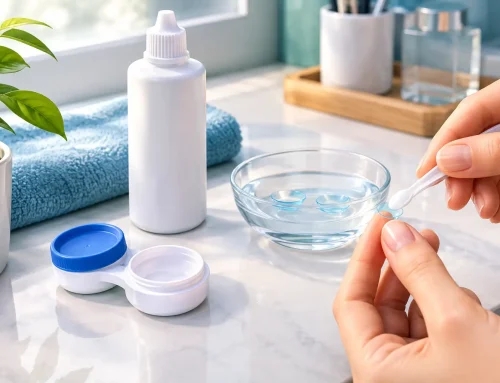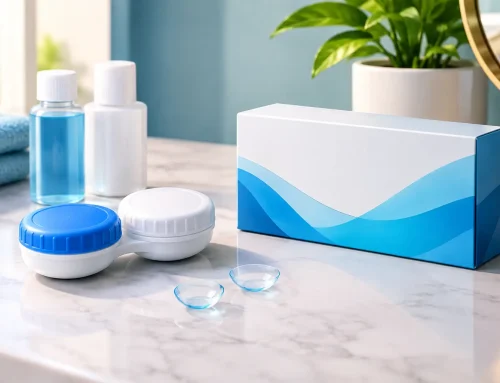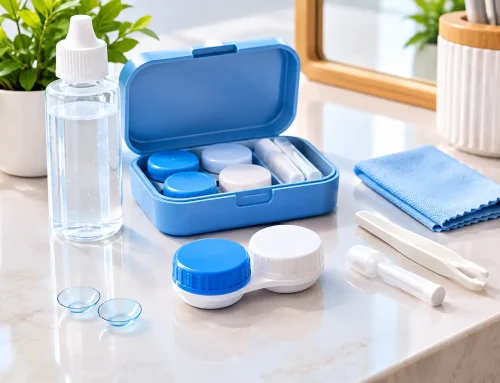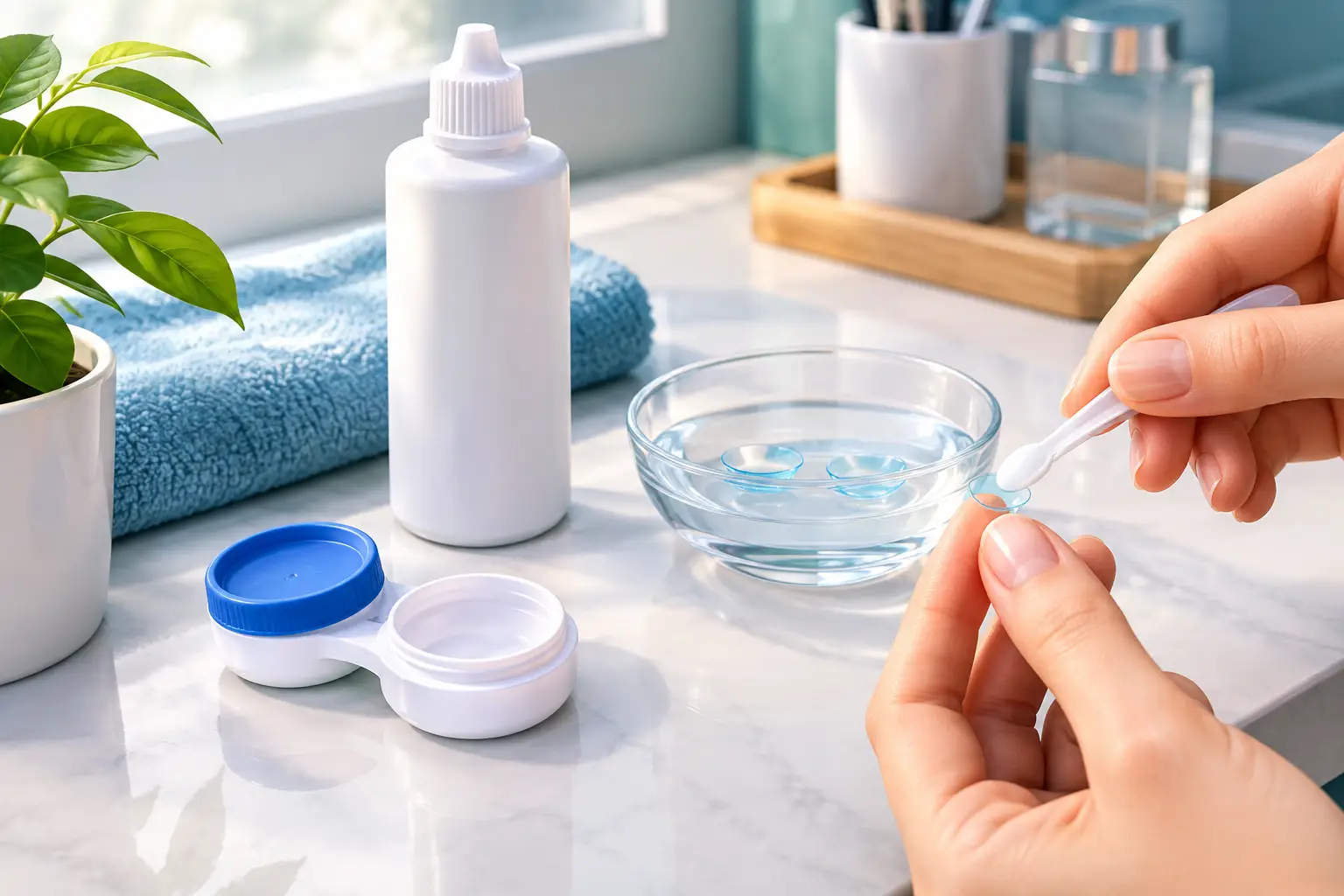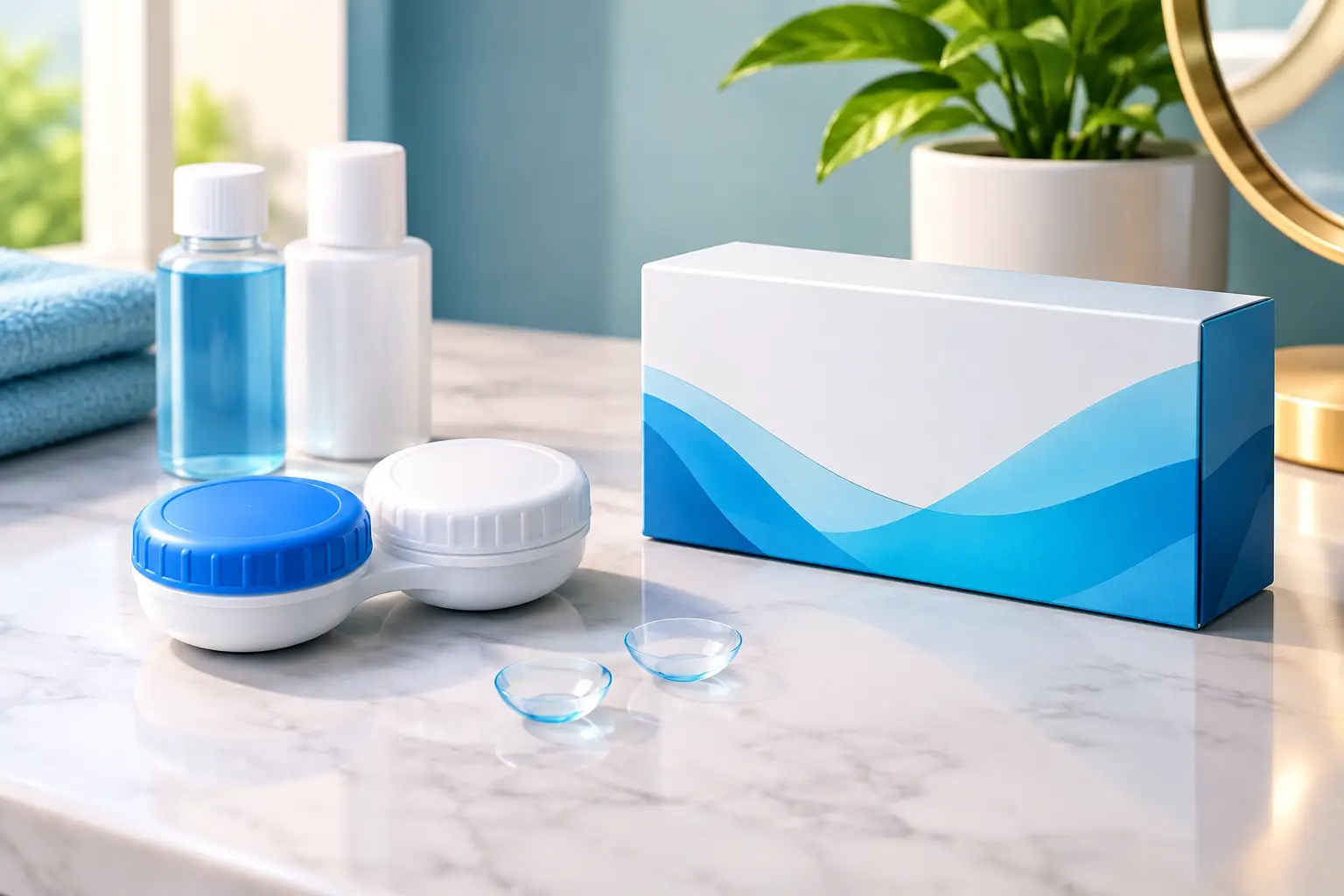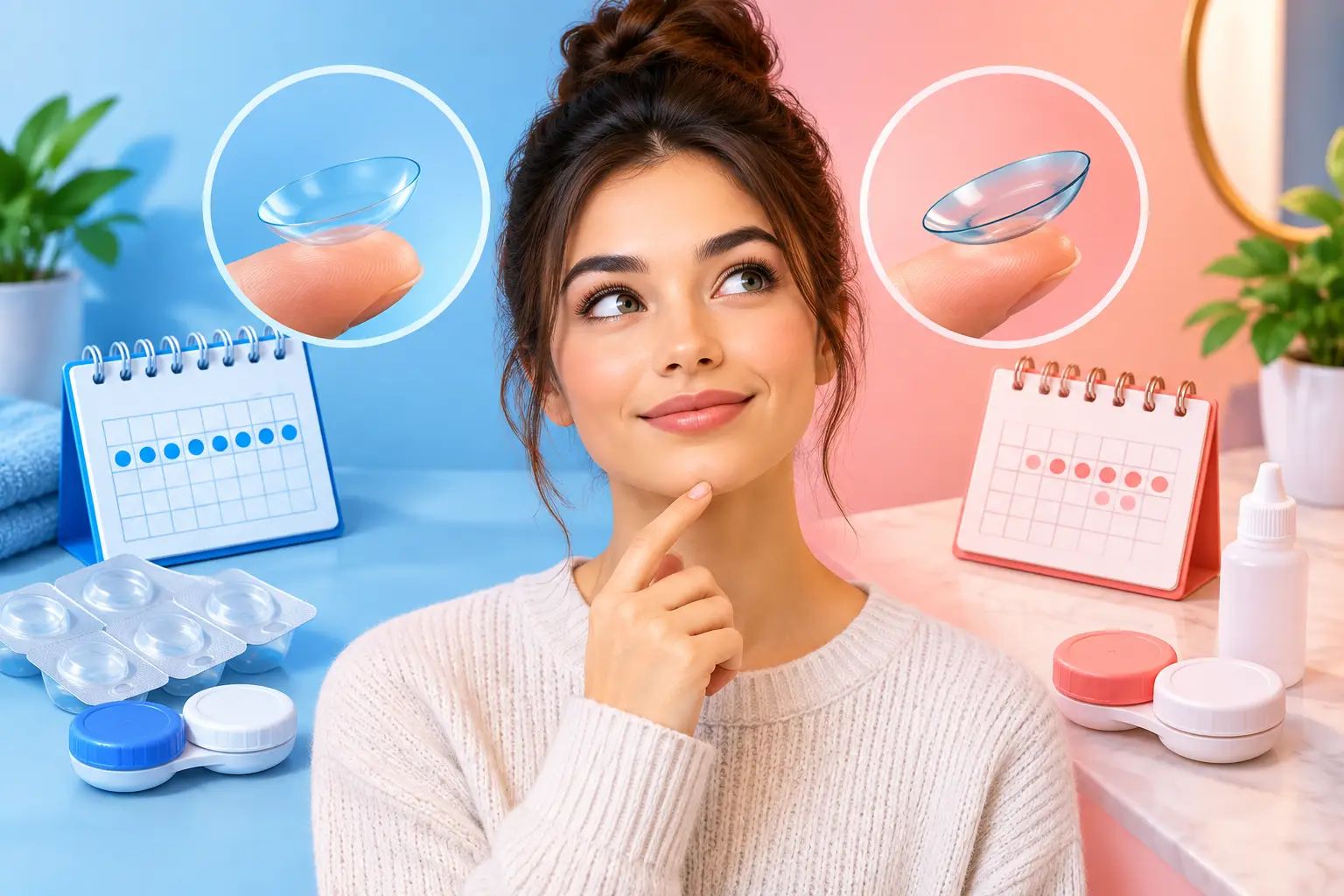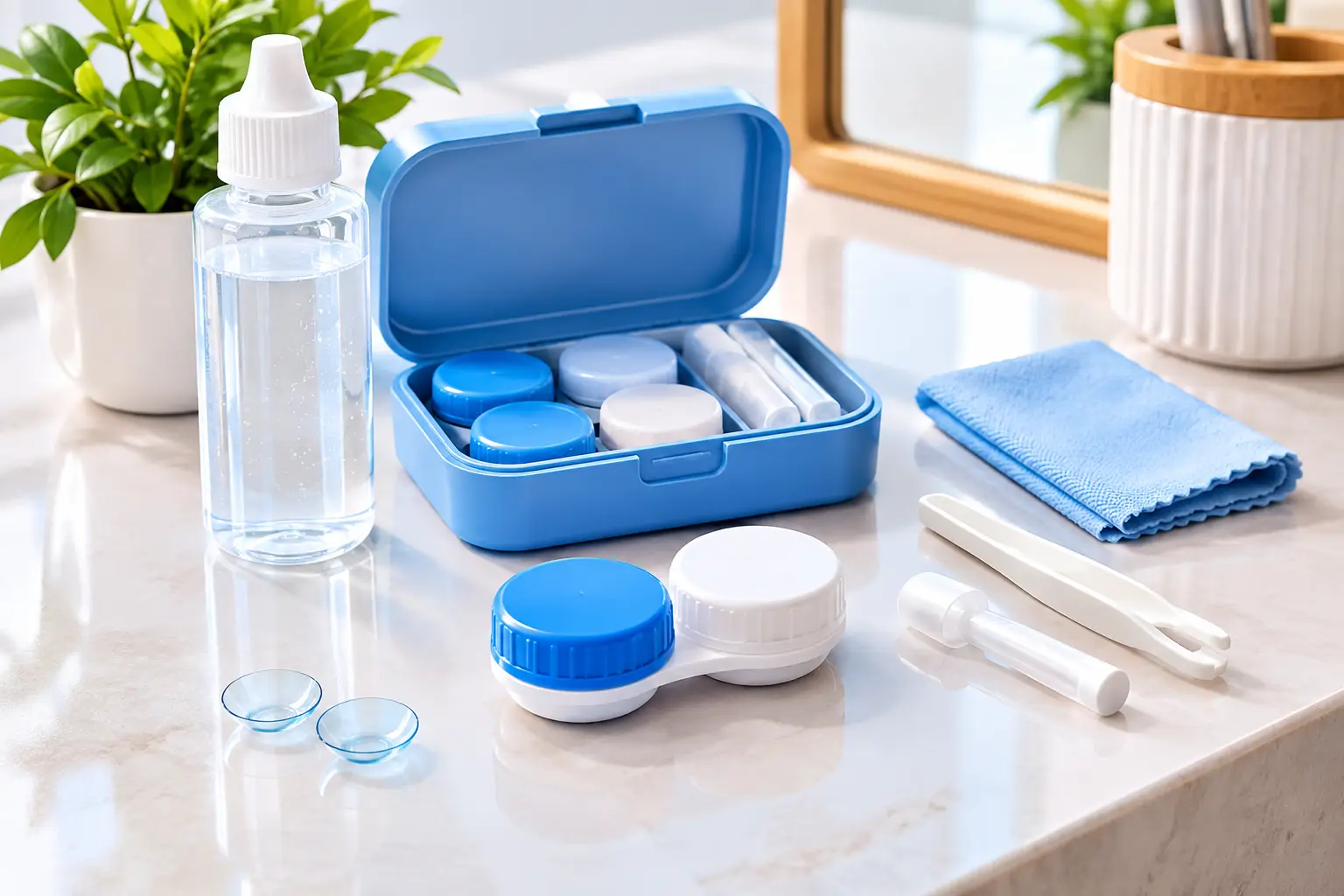
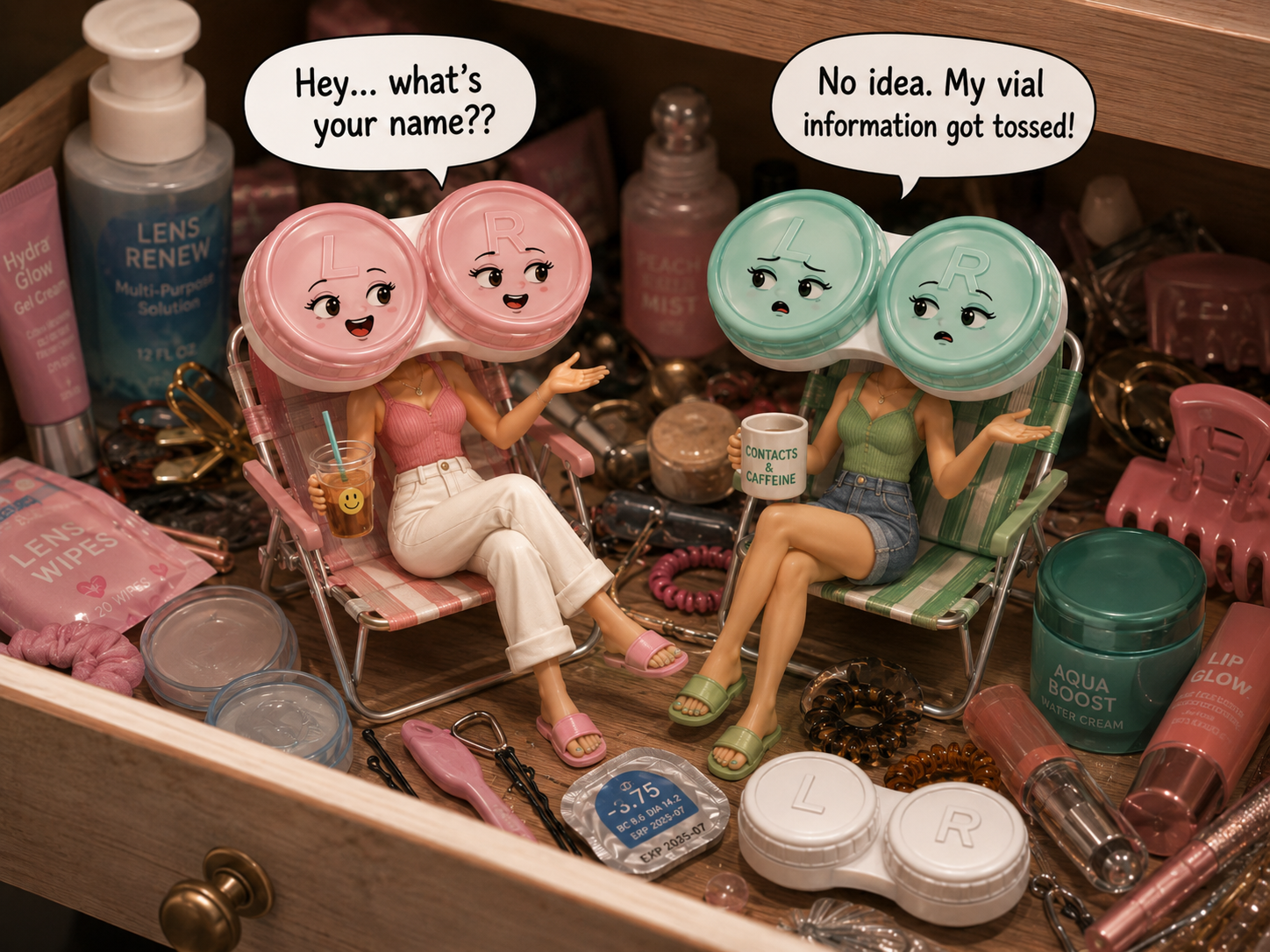
That moment when you pick up a lens case and realize you have no idea which pair is inside is more common than most contact lens users want to admit. A daily contact lens organizer fixes that exact problem by giving your lenses, cases, and important details one consistent place to live.
If you wear more than one pair of contacts, the usual routine breaks down fast. Maybe you keep one pair for everyday vision, another for occasional color, and a backup set somewhere in a drawer. The boxes get tossed. The prescription info disappears. The expiration date becomes a guess. What should be a simple habit turns into a small daily hassle.
What a daily contact lens organizer should solve
A good organizer is not just a container. It should solve the repeat problems that make contact lens care harder than it needs to be.
First, it should help you identify what you have at a glance. That includes which pair is which, whether the lenses are prescription or cosmetic, what color they are, and which case belongs to each set. If all your cases look the same, confusion is almost guaranteed.
Second, it should preserve the details people usually lose. Contact lens users often throw away packaging once a pair is opened, but that packaging often holds the exact information you later need – prescription, base curve, brand, expiration date, or purchase reference. Without that information, reordering or checking whether a pair is still current gets much harder.
Third, it should make daily use easier, not more complicated. If an organizer adds extra steps, most people will stop using it. The best setup fits into your bathroom routine, your cabinet, or your travel bag without creating clutter.
Why loose storage stops working
A lot of people start with improvised storage because it feels fine at first. A contact lens case in the bathroom drawer, a backup pair in a makeup bag, an old box under the sink. That system can work when you only wear one pair and replace it on a very predictable schedule.
It stops working when your lens use gets more varied. If you rotate between clear contacts and colored contacts, or if you keep several pairs with similar packaging, visual memory is not enough. Cases get swapped. One pair gets used longer than intended. Another gets ignored because you cannot quickly confirm what it is.
There is also the issue of cleanliness and consistency. When lens items are scattered, you are more likely to move them around, store them carelessly, or forget what has already been opened. A better setup creates a repeatable place for everything, which lowers friction and reduces mistakes.
The best daily contact lens organizer is built around real use
The most useful organizers are designed around the way people actually handle lenses every day. That means they account for quick decisions, limited space, and the fact that most users do not want to maintain a complicated tracking system.
A strong daily contact lens organizer usually includes a place for the lens case itself and a way to keep identifying information attached to that pair. That matters because the case alone does not tell you enough. Once original packaging is gone, you still need a reliable way to know what the lenses are and whether they are still within their intended use window.
Color coding also matters more than people think. When you are dealing with several similar cases, a visual cue makes daily selection faster. It is a simple feature, but it solves a real frustration. The same goes for compact sizing. If the organizer takes up too much room, it will end up pushed aside.
This is where a purpose-built system stands apart from a generic box or tray. A specialized option like EYEBOX is designed to store lens cases while keeping the key information tied to each pair, so your routine stays clear instead of becoming a memory test.
Who benefits most from a daily contact lens organizer
Not every contact lens wearer has the same level of need. If you use one basic pair and replace it on a strict schedule, your storage demands may be simple. Even then, having one dedicated place can still help.
The biggest benefit usually goes to people who manage multiple pairs. That includes users with prescription contacts for everyday wear, cosmetic lenses for occasional use, or both. It is especially helpful for anyone who buys colored contacts in more than one shade and needs to keep color, prescription, and timing straight.
Frequent travelers also benefit. Packing loose lens items often leads to duplication, forgotten cases, or uncertainty about which pair came with you. An organizer turns several small pieces into one controlled system.
It is also useful for anyone who likes a clean routine. If your bathroom counter or medicine cabinet already feels crowded, a dedicated organizer helps reduce visual clutter while keeping lens care items easy to find.
What to look for before you buy
Not every organizer earns space in your routine. Some are just storage containers with a nicer look. That can help a little, but it may not solve the deeper problem.
Look for a design that keeps the case and the lens details together. That is the main feature that prevents mix-ups later. If you have to store information separately in your phone, on a sticky note, or in the original box, the system is still fragile.
Look for labeling that is quick to read. If you need to open multiple compartments or sort through handwritten notes every time, daily use will feel annoying. The point is speed and certainty.
Look for a compact footprint. Most users want something that fits easily in a bathroom drawer, cabinet shelf, or travel setup. Bigger is not better if it creates more clutter.
And look for a format that supports your actual lens habits. If you rotate often, visual organization matters more. If you reorder infrequently and tend to forget product details, information retention matters more. For many users, the right answer is a system that handles both.
How to use a daily contact lens organizer without overthinking it
The best routine is simple enough that you will follow it automatically. Start by assigning each pair its own place. Keep the case with that slot or section and immediately attach the relevant details while the packaging is still available.
Once a pair is opened, record what you are most likely to forget later. For most people, that means prescription, color, purchase timing, and expiration information. You do not need a complicated tracking spreadsheet. You just need the facts available when you reach for the case.
Then make the organizer the default home for every pair you own. Do not split your system between a drawer, a toiletry bag, and a cabinet. That is how confusion creeps back in.
A quick weekly check helps too. It only takes a minute to confirm that each pair is where it belongs and that no dates are being ignored. That small habit can save you from using the wrong pair or replacing lenses later than you should.
Small product, big relief
Contact lens frustration usually does not come from one huge problem. It comes from the same little problems happening over and over – mixed-up cases, lost packaging, forgotten details, and unnecessary second-guessing.
A daily contact lens organizer works because it removes those repeat points of friction. It gives every pair a place, keeps the information that matters, and makes your routine easier to trust. That is a practical upgrade for anyone who wants more control over their contact lens care without adding more work.
When your lenses are organized, the whole routine feels lighter. You spend less time figuring things out and more time simply getting on with your day.