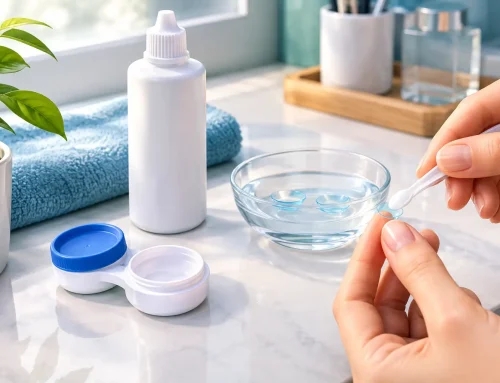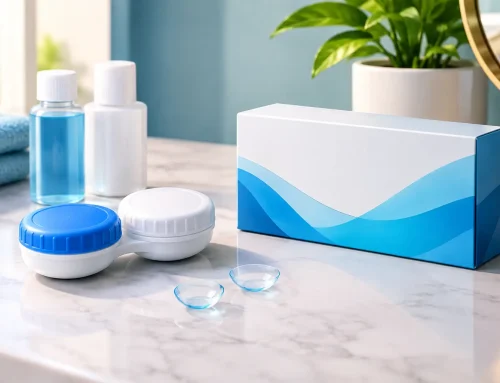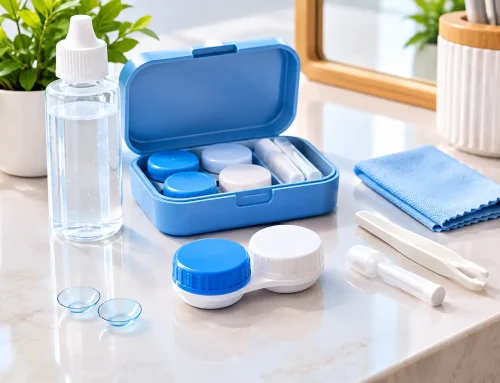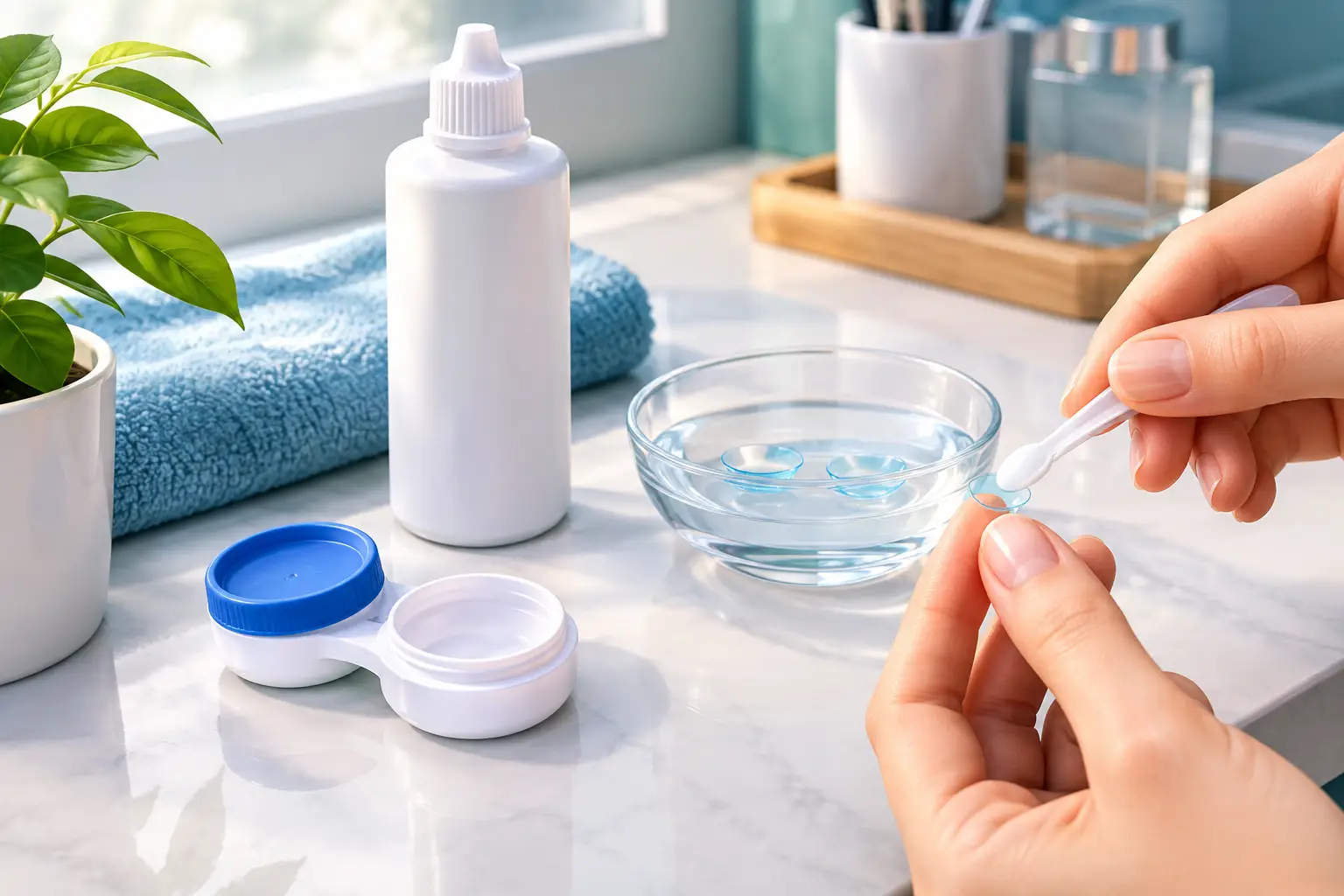
If you wear more than one pair of contacts, you already know the problem. One lens case looks like the next, the box with the prescription details is long gone, and suddenly you are guessing which pair is which. That is exactly why people start looking for how to organize contact lenses in a way that actually works day after day.
The fix is not complicated, but it does need to be intentional. A loose collection of lens cases in a drawer is not a system. Neither is keeping half the information in your email, half on the box, and the rest in your memory. Good contact lens organization should help you find the right pair quickly, keep important details visible, and make your routine feel a lot less messy.
Why contact lens organization breaks down
Most contact lens clutter starts with good intentions. You open a new pair, use the original packaging for a few days, then toss it because it takes up space. After that, the details that matter most – prescription, color, purchase date, and expiration timeline – are no longer attached to the lens case you actually use.
That is where mistakes happen. If you wear prescription contacts and cosmetic lenses, or rotate between several colors, cases can become almost impossible to tell apart. Even if you only wear standard lenses, replacing one pair before another can create confusion fast. A basic lens case stores the lenses, but it does not store the information you need to use them correctly.
This is also why random storage spots do not help much. Bathroom counters get crowded. Medicine cabinets hide things behind other products. Drawers turn into catch-all spaces. When the storage location is inconsistent, the lens routine becomes inconsistent too.
How to organize contact lenses with a real system
If you want a setup that lasts, think in three parts: storage, identification, and tracking. You need one place to keep your lens cases, a clear way to tell each pair apart, and a simple method for remembering what each pair is and when it should be replaced.
Start with one dedicated location
The first step is choosing one home for your contact lenses and related accessories. That sounds obvious, but many people skip it. They keep one pair near the sink, another in a drawer, and backup supplies somewhere else. Then every morning starts with a search.
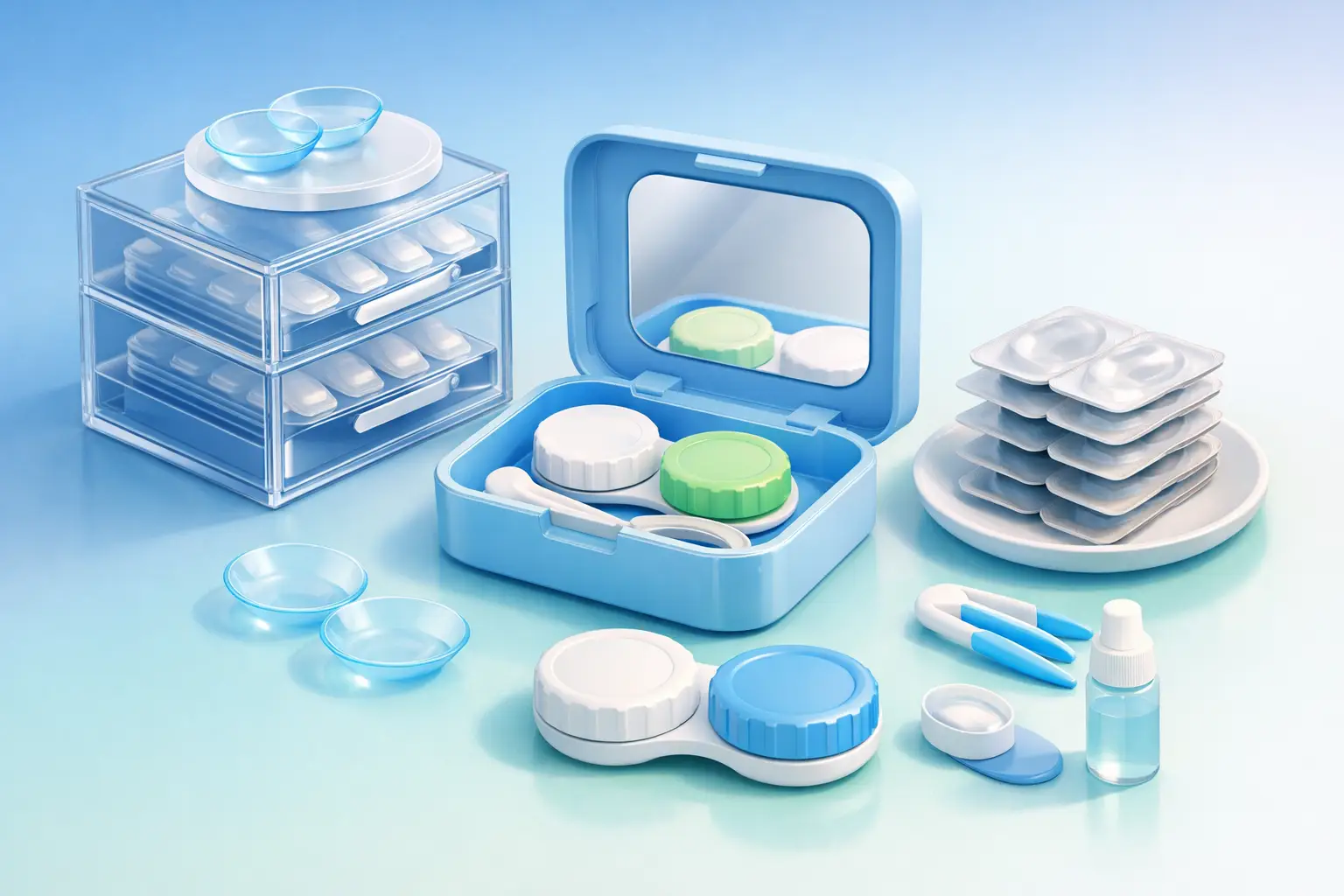
A dedicated organizer works better than a general container because it matches the shape and purpose of what you are storing. Instead of tossing lens cases into a cup or cosmetic bag, use a storage setup made specifically for contact lens users. That gives each pair a defined place and makes the whole routine easier to repeat.
What matters most here is consistency. Once you choose the location, keep every current lens case there. If a pair is in use, it belongs in that spot. If a pair is expired or no longer worn, remove it right away. The less visual noise you keep around your lenses, the less likely you are to grab the wrong case.
Keep each pair tied to its details
This is the step most people miss. Storing the case is only half the job. You also need to keep the usage details connected to that pair so you are not relying on memory.
For each pair of lenses, keep track of:
- the prescription
- the lens color or style
- the purchase or opening date
- the expiration timeline
If you wear similar shades of cosmetic contacts, this becomes even more important. “Blue” is not enough if you own multiple blues. The more pairs you manage, the more specific your labels need to be.
This is where a purpose-built organizer can save a lot of frustration. A system like EYEBOX is designed to hold lens cases while preserving the information people usually lose once the box is thrown out. Instead of separating the physical pair from the details that identify it, the system keeps them together. That is the difference between storing contacts and actually organizing them.
Use color coding when you have multiple pairs
If you manage several pairs at once, visual cues matter. Color coding can help you identify what you need faster, especially when you are rushing through your morning routine.
The key is to use color coding as a support, not the only identifier. If you rely only on memory, you can still make mistakes. A better approach is to match a color cue with written information. For example, one section or marker can represent daily prescription lenses, while another is reserved for cosmetic lenses. Within that, you still want each pair clearly named or recorded.
This matters most for people who buy colored contacts in close shades, wear different prescriptions, or switch between brands. The more similar your cases look, the more useful a visual sorting system becomes.
Build a routine that keeps lenses organized
A good setup should not depend on motivation. It should be easy enough that you keep using it without thinking too much about it.
Record details when you open a new pair
The best time to organize a pair of contacts is the moment you open it. That is when all the information is still available and accurate. If you wait until later, packaging gets separated, dates get forgotten, and the lens case becomes just another mystery item.
When opening a new pair, assign it a space immediately. Record the prescription, note the color, and mark the relevant date information. Doing this once takes far less time than trying to reconstruct the details weeks later.
This is one of those small habits that prevents larger problems. It also makes replacement easier because you can see what you have, what is active, and what is nearing the end of its use period.
Remove old or inactive pairs regularly
Organization gets harder when expired, empty, or unused cases stay mixed in with current pairs. What looks like a harmless backup can quickly create confusion.
Set a regular check-in point, whether that is weekly or whenever you open a new pair. Look through your active storage and remove anything you no longer use. If the pair has expired, if the case is empty, or if you cannot confidently identify it, it should not stay in your active rotation.
This step matters for cleanliness, but it also matters for clarity. The fewer unnecessary cases you keep around, the easier it is to trust the system you have built.
Keep lens care items nearby, but separate
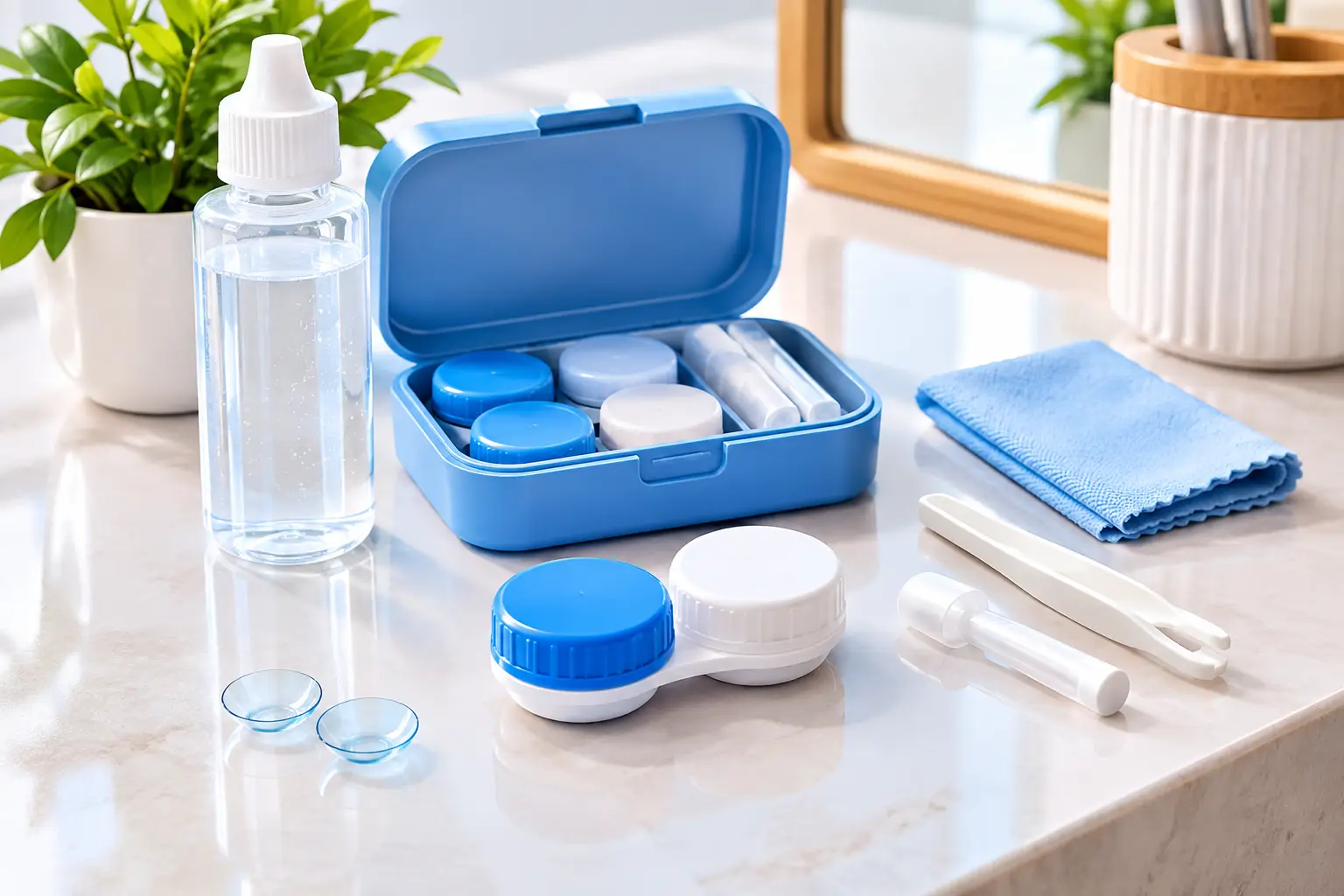
Your contact lens solution, spare cases, and cleaning essentials should be easy to reach, but they should not create clutter around your active lens pairs. If everything is piled together, the space becomes harder to maintain.
A clean arrangement usually works best when active lens cases have their own organized area and supporting supplies sit next to them in a separate spot. You want convenience without mixing categories. It is a small distinction, but it helps your setup stay clear instead of crowded.
Common mistakes that make contact lenses harder to manage
Some organization methods sound fine in theory but fail in real life.
One common mistake is using generic storage containers with no labeling system. They may hide the clutter, but they do not solve the identification problem. Another is keeping old packaging separately from the lens case. That often leads to lost details because the information and the actual pair are no longer connected.
A third mistake is trusting memory for replacement timing. That may work if you only wear one pair, but once you rotate multiple lenses, memory becomes unreliable. A simple tracking method is always better than guessing.
There is also the issue of overcomplicating the setup. If your system takes too many steps, you probably will not keep up with it. The best organization method is one you can maintain on a normal weekday, not just when you are doing a full bathroom reset.
The simplest way to stay organized long term
If you are figuring out how to organize contact lenses for the long haul, the answer is not more storage. It is better storage with better information.
You want a setup that tells you, at a glance, what each pair is, where it belongs, and whether it is still current. That is especially useful if you wear multiple prescriptions, switch between everyday and cosmetic lenses, or buy several colors at once. In those cases, a purpose-built organizer is not just a nice extra. It solves a real daily problem that loose cases and discarded boxes never will.
A good system gives you something people rarely associate with contact lenses: relief. No second-guessing. No digging through drawers. No trying to remember whether that case holds your current pair or the one you stopped wearing last month.
When your contacts have a clear place and each pair keeps its details with it, the whole routine gets easier. And once it feels easy, staying organized stops being another chore and starts feeling like part of getting ready.