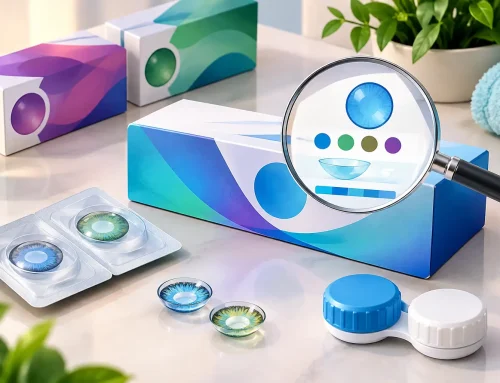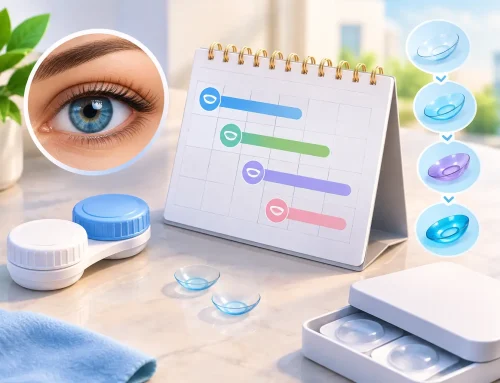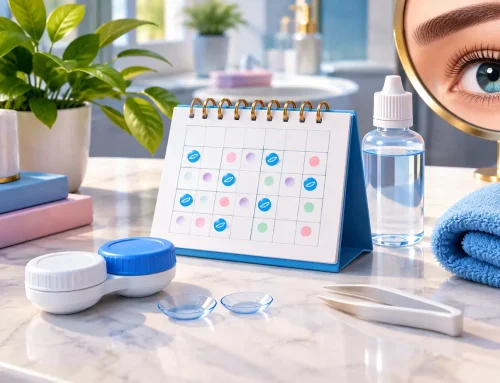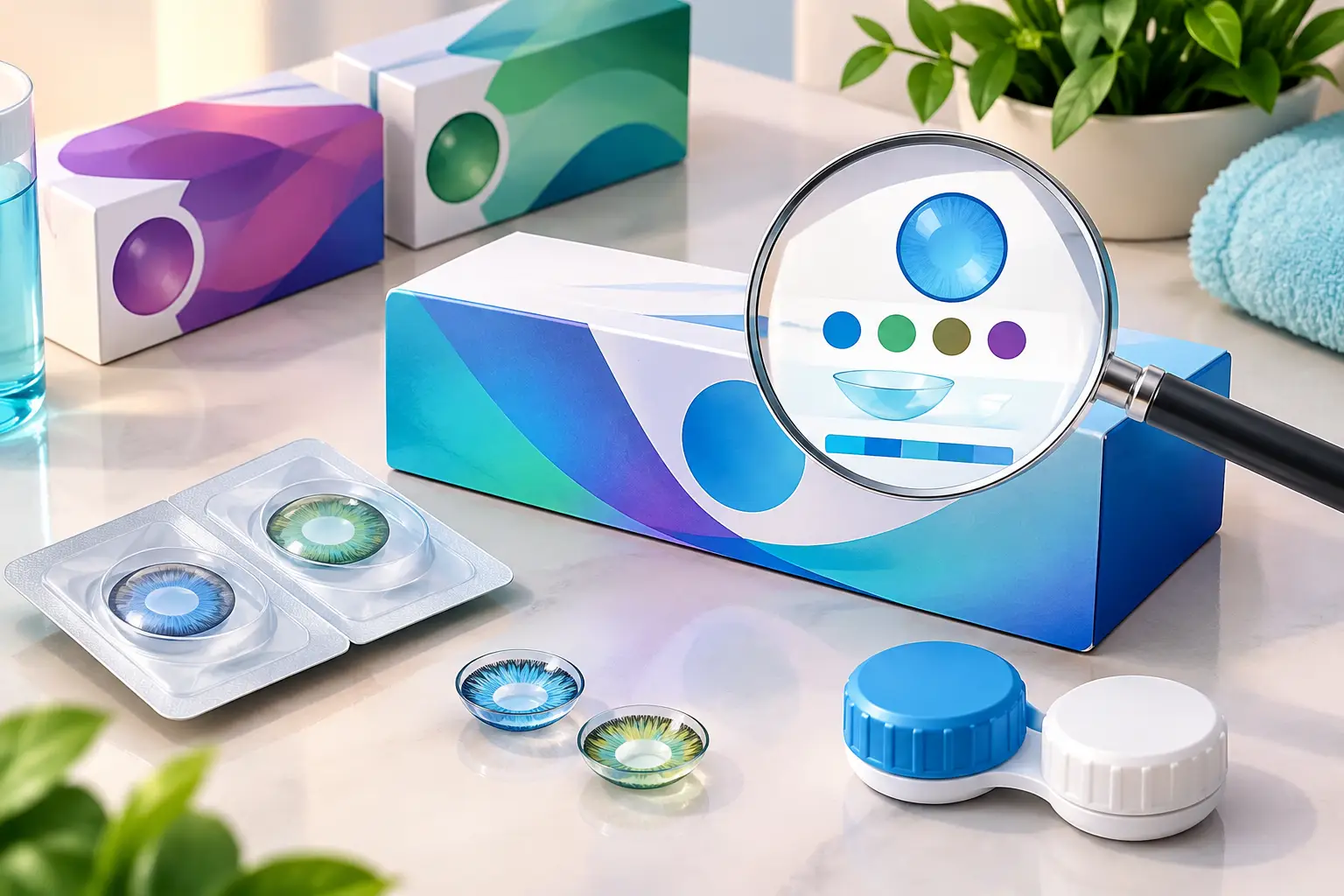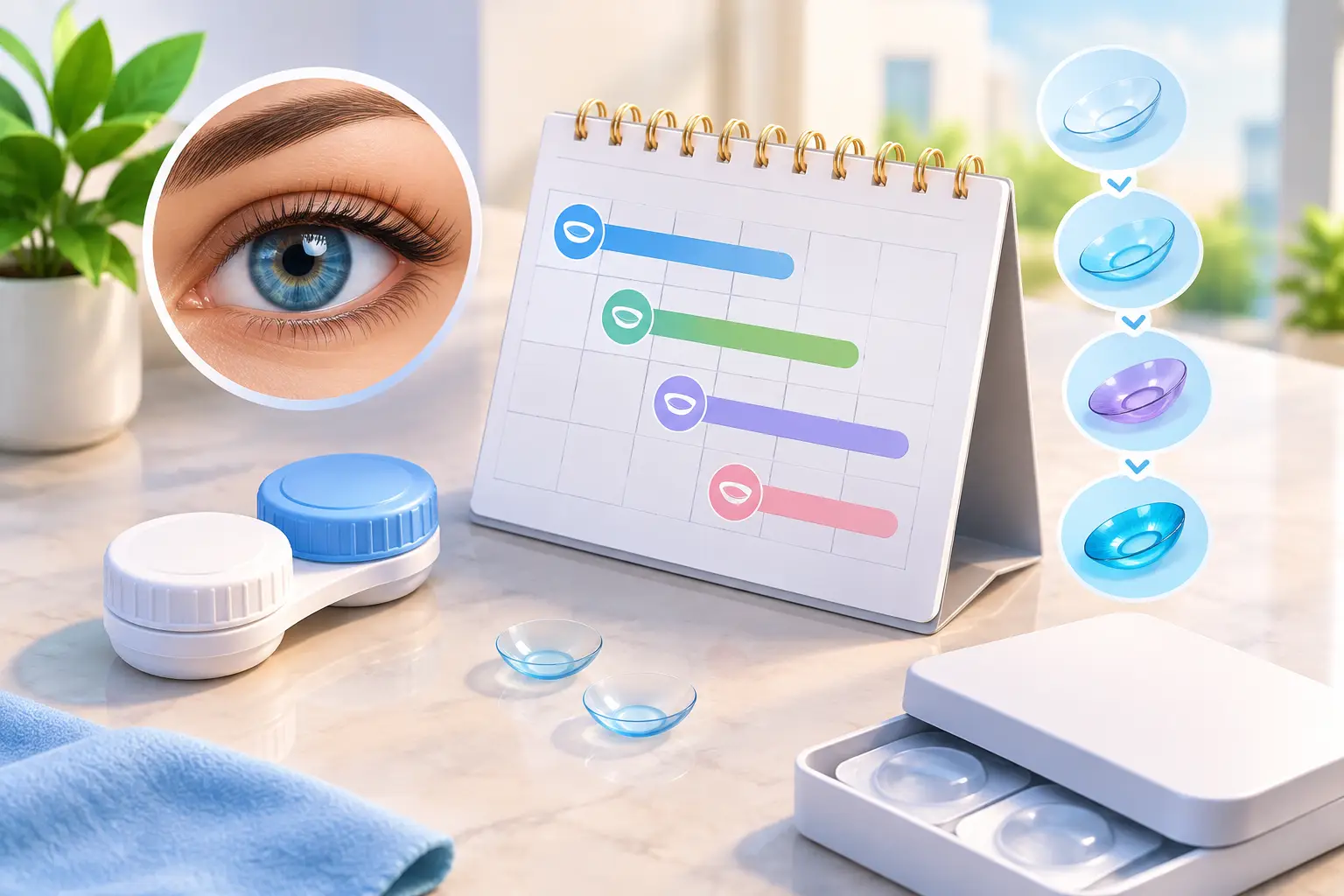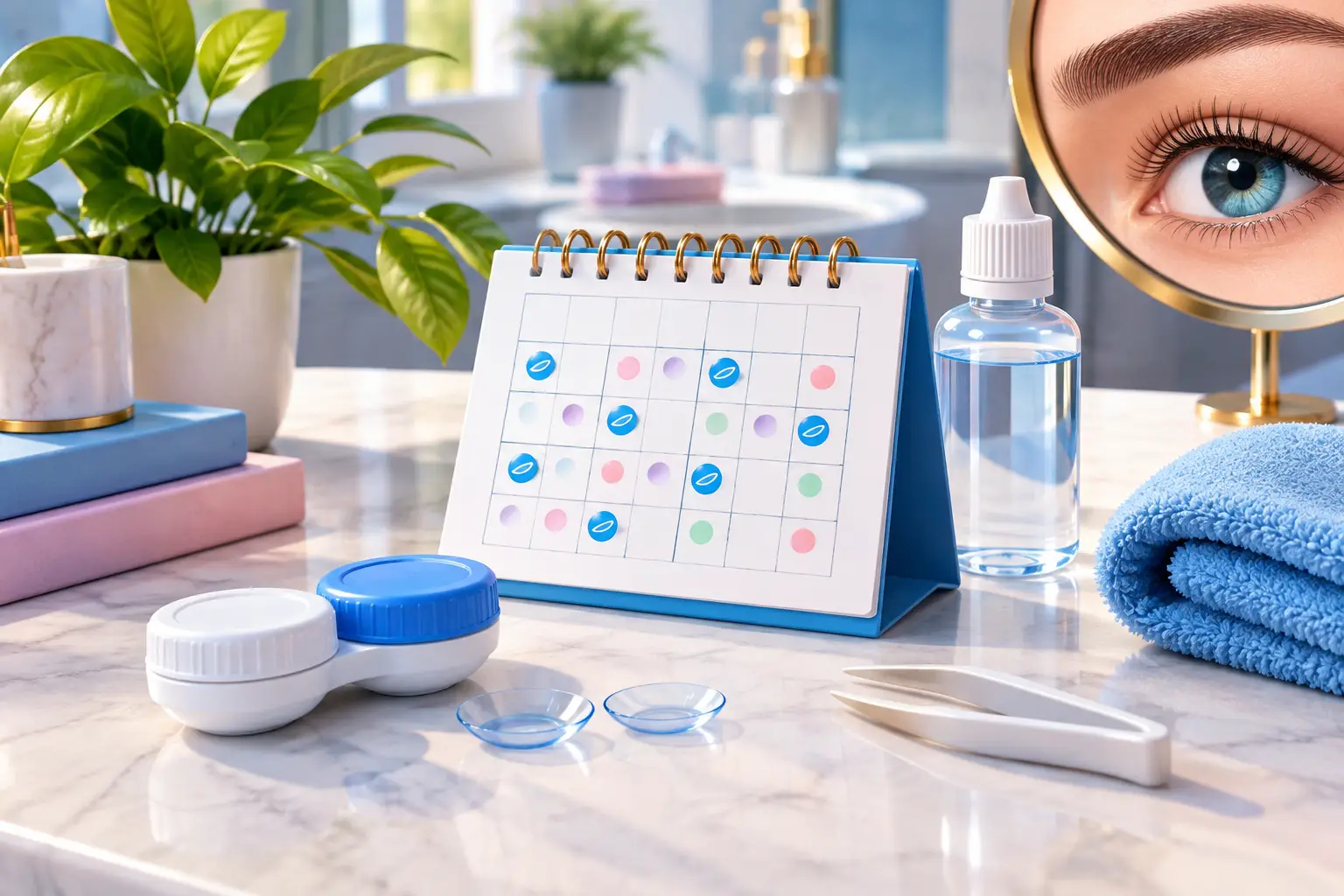
A contact lens case can look like a tiny, simple thing until you have three similar cases in the bathroom drawer and no idea which pair is which. The best prescription tracking examples solve that problem before it becomes a frustrating guess. They keep the details that usually disappear with the original lens box – your prescription, lens color, purchase date, expiration date, and replacement schedule – connected to the correct pair.
For contact lens wearers who use more than one prescription or switch between clear and colored lenses, tracking is not about creating more paperwork. It is about making the routine easier. When every pair has a clear record, you spend less time searching through drawers, rereading tiny package print, or wondering whether a lens case contains the pair you meant to wear.
What to Track for Every Pair
A useful record is short enough to maintain but detailed enough to answer the questions that come up in real life. Start with the information that distinguishes one pair from another:
- Lens brand and product name
- Prescription details for each eye, including power and any cylinder or axis information
- Lens color or style, if applicable
- Purchase date, expiration date, and recommended replacement timing
- Where the lenses were purchased and any order number worth keeping
Not every wearer needs every field. If you wear one type of daily disposable lens, the most useful details may be the prescription, box expiration date, and purchase date. If you rotate several colored or reusable pairs, color, opening date, and replacement timing become much more useful.
The goal is not to replace the prescription information from your eye care professional. It is to keep the approved details and product information easy to find when you are ordering, organizing, or checking the lenses you already own.
Prescription Tracking Examples That Fit Real Routines
The right system depends on how many lens types you manage. These examples show how a few clear details can prevent the most common mix-ups.
Example 1: One Clear Prescription Pair
Jordan wears clear monthly lenses every day. The prescription is the same brand and power each time, so there is no need for a complicated chart. A simple label or record might read: “Clear monthly lenses, right eye -2.50, left eye -2.75, opened September 1, replace October 1.”
This example works because it connects the lens case with the date that matters most: when that pair should be replaced. Instead of relying on memory, Jordan can see the schedule at a glance. If the lenses were purchased in several boxes at once, adding the box expiration date can also help prevent an older box from getting overlooked.
Example 2: Different Prescriptions in Each Eye
Many contact lens wearers have different correction needs in the right and left eye. A case marked only “contacts” does not help much when the prescription is not identical.
A better record separates each eye clearly: “Right: -1.25” and “Left: -2.00,” along with the brand and replacement date. If there is additional prescription information, such as cylinder and axis for toric lenses, record it exactly as it appears on the package or prescription. Tiny differences matter, and a quick handwritten note is much easier to read than fine print on a discarded blister pack.
This approach is especially helpful when you keep unopened supplies as well as a currently active pair. The record lets you confirm what belongs where without opening boxes or mixing up sides.
Example 3: Clear Lenses for Work and Colored Lenses for Going Out
A wearer who uses clear corrective lenses during the week and colored contacts for certain occasions has two separate sets of details to manage. The colors may be easy to recognize while they are in the original packaging, but that advantage disappears once the packaging is thrown away.
For this setup, track both function and appearance. One record could say, “Clear daily lenses, work, -3.00/-3.25.” Another might say, “Hazel colored lenses, occasional wear, -3.00/-3.25, expires June 2027.” If the colored lenses have a specific replacement schedule after opening, add that date as well.
Color-coded identification can make this even faster. When the visual label, storage space, and written details all match, there is less chance of reaching for a brown lens when you wanted hazel, or opening a pair that was intended for a different occasion.
Example 4: Several Cosmetic Lens Colors
Cosmetic lens users often have the most to gain from a consistent tracking method. Blue, gray, green, and honey lenses can look surprisingly similar in their cases, particularly under bathroom lighting. Keeping only the lens color in your memory is rarely dependable after several months.
Create one entry for every color and include the exact product name, prescription, purchase date, expiration date, and opening date. For example: “Gray Mist, plano, purchased March 2026, expires January 2028, opened April 12.” “Plano” simply means no corrective power, but it is still worth recording so non-prescription lenses are not confused with prescription pairs.
If you have colors from different brands, also note the brand. “Green” is not a complete identifier when two brands offer different shades, replacement schedules, or fit. Specific records protect the time and money you put into building a lens collection.
Example 5: Backup Boxes and Active Lenses
A common tracking gap happens when a wearer buys several boxes during a sale. The active pair is easy to identify, but backup boxes get pushed to the back of a cabinet. Months later, it is difficult to remember which box was purchased first or which one expires sooner.
For unopened boxes, use a simple first-in, first-out system. Record the product, prescription, number of lenses remaining, and package expiration date. Place the box with the earliest expiration date where you will use it first. Once a new pair is opened, move its information into your active-lens record and add the opening date.
This is a small habit with a practical payoff. You can see what you have, what needs to be used next, and when it is time to reorder without finding out at the last minute that your supply is low.
Put the Record Where You Will Use It
A note saved somewhere on your phone can help, but it can also get buried among screenshots, shopping lists, and old messages. A paper record can work, too, but only if it stays with the lenses rather than in a separate notebook.
The most reliable setup keeps physical storage and lens details together. That is the idea behind a dedicated organizer such as EYEBOX®: each lens case has a defined place, while prescription details, color, expiration, and purchase information remain easy to check. Instead of creating a system you have to remember to use, the system becomes part of putting your lenses away.
Choose a format that matches your habits. A person with one clear pair may prefer a compact label. Someone with several colors may want individual labeled spaces and a fuller written record. The best method is the one you can update in less than a minute when you open a new pair.
A Simple Update Routine
Prescription tracking only works when the information stays current. Fortunately, the routine does not need to be complicated. When you purchase lenses, record the purchase date and package expiration before discarding anything. When you open a new reusable pair, write down the opening date and the date it should be replaced. When you finish a pair or box, remove it from the record so your inventory stays accurate.
Keep lens care instructions from the manufacturer and your eye care professional separate from your personal tracking notes. Your notes are there to help you identify and organize your products, while care and replacement guidance should always follow the instructions for the specific lenses you wear.
A clear lens record turns a cluttered drawer into a routine you can trust. When you can immediately identify the pair, the prescription, the color, and the timeline, contact lens organization stops being another small thing to keep in your head.