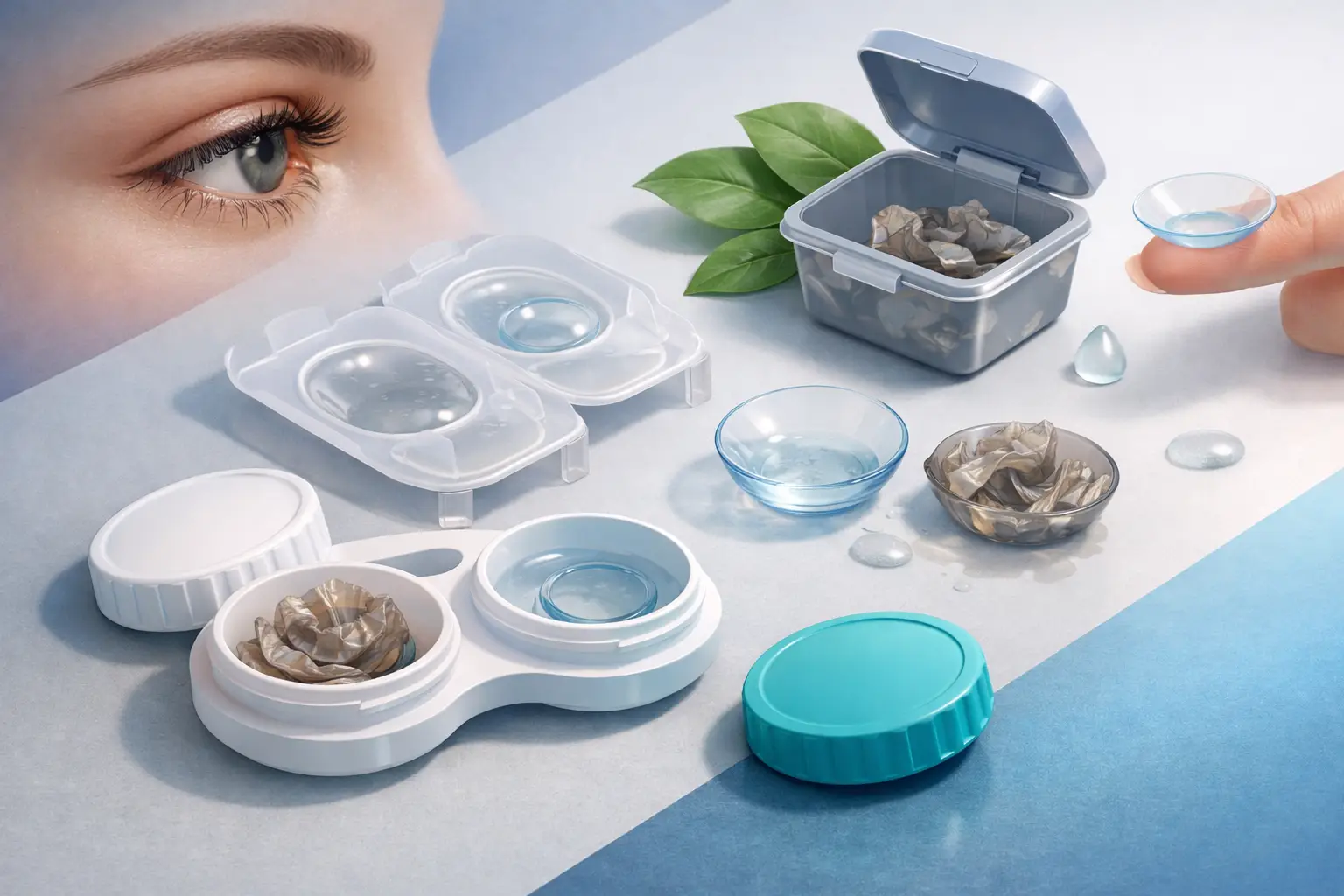
A contact lens case can look perfectly normal long after the details that matter have been forgotten. That is why contacts past expiration are such a common problem: the date was on the box, the box was discarded, and now several nearly identical cases are sitting in the bathroom drawer. Before you put in a pair you are unsure about, pause. The right next step depends on which expiration date you are dealing with.
Not All Contact Lens Dates Mean the Same Thing
Contact lens wearers often use “expired” to describe three different situations. They are easy to confuse, but they call for different actions.
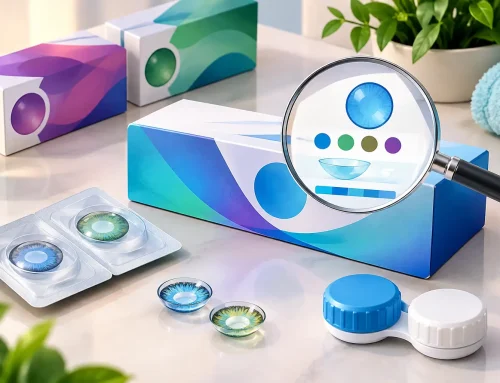
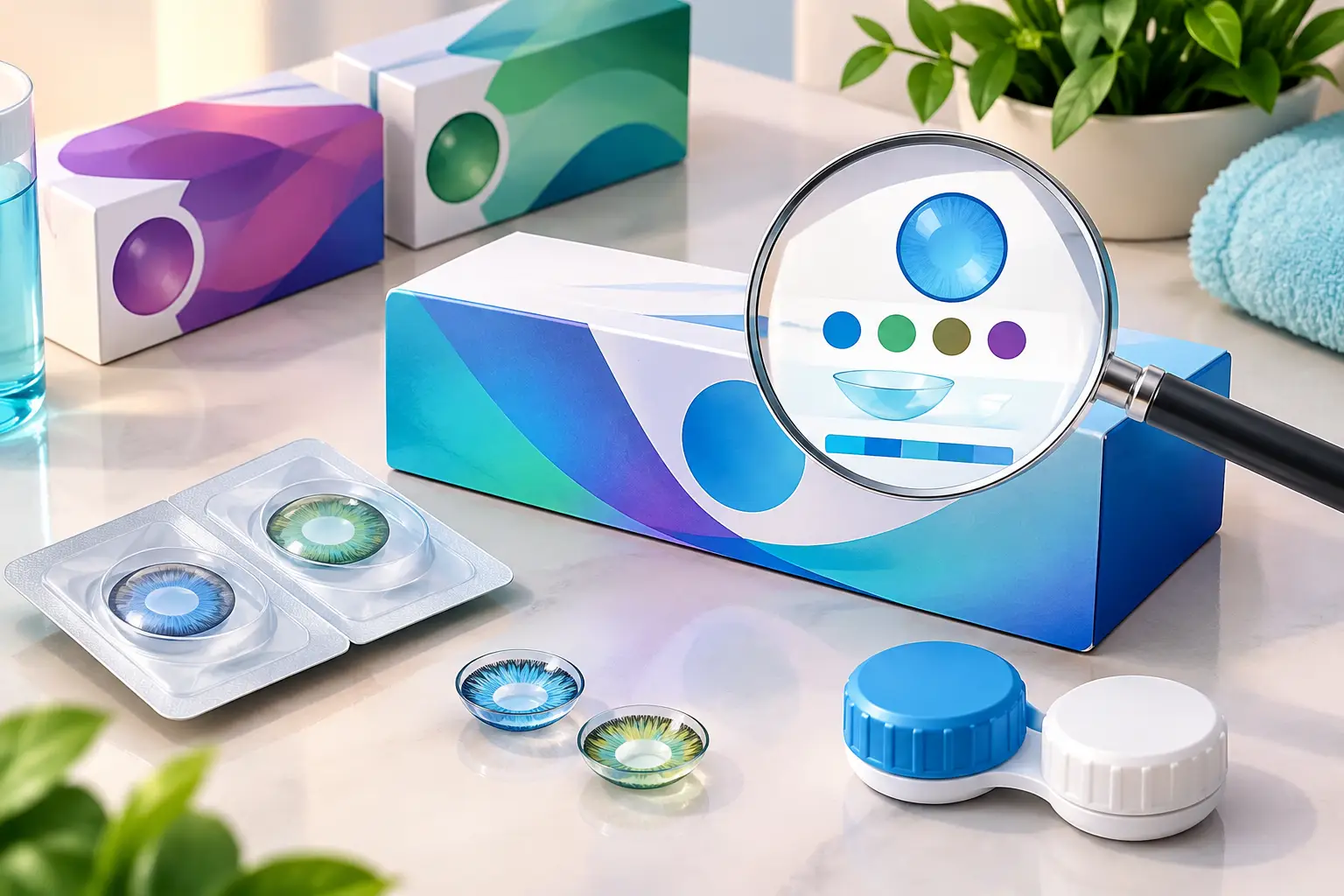
The date printed on an unopened blister pack or lens box is the manufacturer’s expiration date. It applies to the sealed lens and the sterile solution inside its original packaging. Once that date has passed, do not wear the lens. Even if the package appears intact, the manufacturer no longer guarantees that the lens and its packaging meet the standards they were approved to meet.
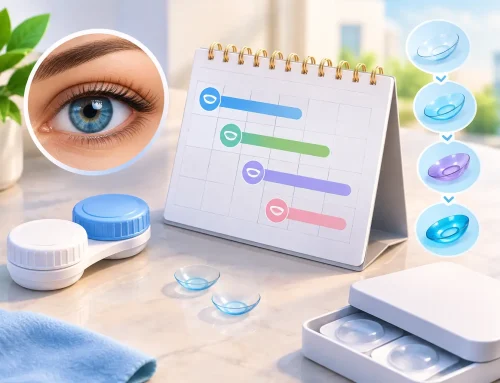
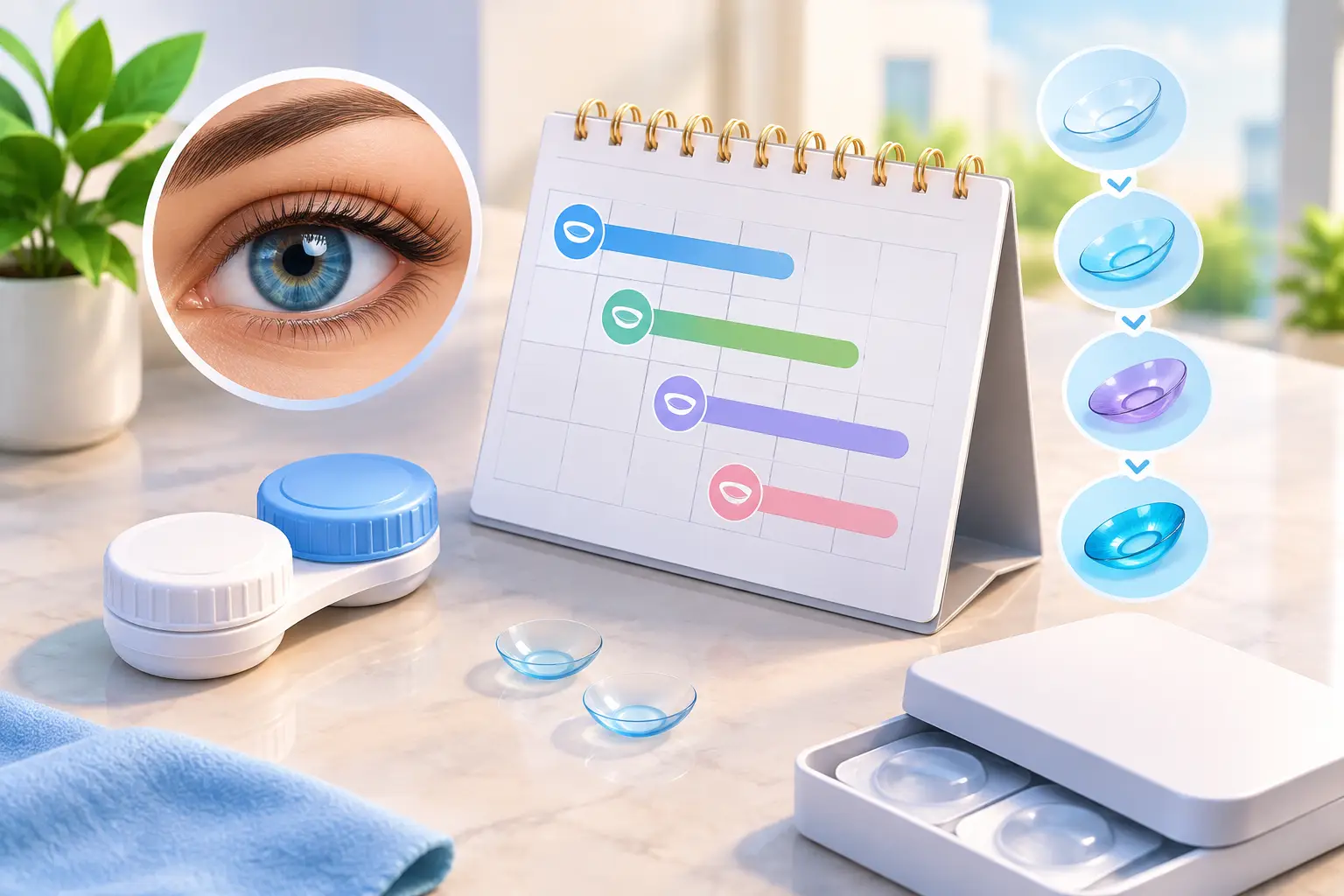
Then there is your replacement schedule. A daily disposable lens is meant to be worn once and discarded after use. A two-week lens should be replaced on schedule, even if you only wore it a few times. Monthly lenses are generally replaced one month after opening, not after 30 individual wears. This date is usually tracked by you, not printed on the lens case.
Finally, contact lens solution has its own expiration date and a separate discard period after opening. Using old solution or topping off yesterday’s solution can contaminate a fresh-looking lens. A lens care routine only works when the lenses, solution, and case are all managed together.
Can You Wear Contacts Past Expiration?
For unopened contacts that are past the manufacturer’s printed expiration date, the practical answer is no. Do not wear them. The cost of replacing a pair is small compared with the uncertainty of putting an expired medical device on your eye.
For lenses that are within the manufacturer’s package date but past their replacement schedule, the answer is also no. A lens can still look clear while carrying deposits, protein buildup, or damage that makes it less comfortable and less healthy to wear. Wearing it longer does not become safer because your eyes feel fine that morning.
This matters even more with colored contacts. Cosmetic lenses are contact lenses, not costume accessories. Whether they correct vision or only change your eye color, they need the same careful handling, replacement schedule, and prescription guidance as clear lenses.
There is one situation that deserves a call to your eye care professional rather than guesswork: you do not know when a reusable pair was opened, but you think it may still be within its schedule. Do not use appearance as the deciding factor. Ask for guidance, especially if you have had dryness, redness, irritation, blurry vision, or repeat discomfort with your lenses.
What to Do When You Find Expired Contacts
First, separate unopened, sealed lens packs from lenses already stored in cases. Check every unopened package for the manufacturer’s expiration date. Set aside any expired boxes and do not add them back into your rotation.
Next, identify reusable lenses by their opening date and replacement schedule. If you cannot confidently verify when a pair was opened, the safest choice is to discard it and start a new pair. It can feel wasteful, but guessing with an old lens is not a good trade-off.
Take a moment to check the rest of your supplies, too. Look at your contact solution expiration date, replace worn or damaged cases, and make sure each case contains fresh solution. Never use tap water to rinse lenses or cases, and never reuse or top off old solution.
If an expired lens was worn and your eye becomes painful, red, light-sensitive, unusually watery, or blurry, remove the lens and contact an eye care professional promptly. Do not put the lens back in just to see if the feeling goes away.
Why Expiration Dates Get Lost So Easily
The issue is rarely carelessness. Contact lens packaging is designed to be discarded. Once the outer box is gone, key details can disappear with it: prescription strength, base curve, diameter, color, lot information, expiration date, purchase date, and the date you opened the pair.
The problem grows when you wear more than one type of lens. Maybe you have clear lenses for work, colored contacts for special occasions, backup boxes in another prescription, or different lenses for each eye. A plain lens case does not tell you which pair is inside or when it should be replaced. The result is an everyday guessing game.
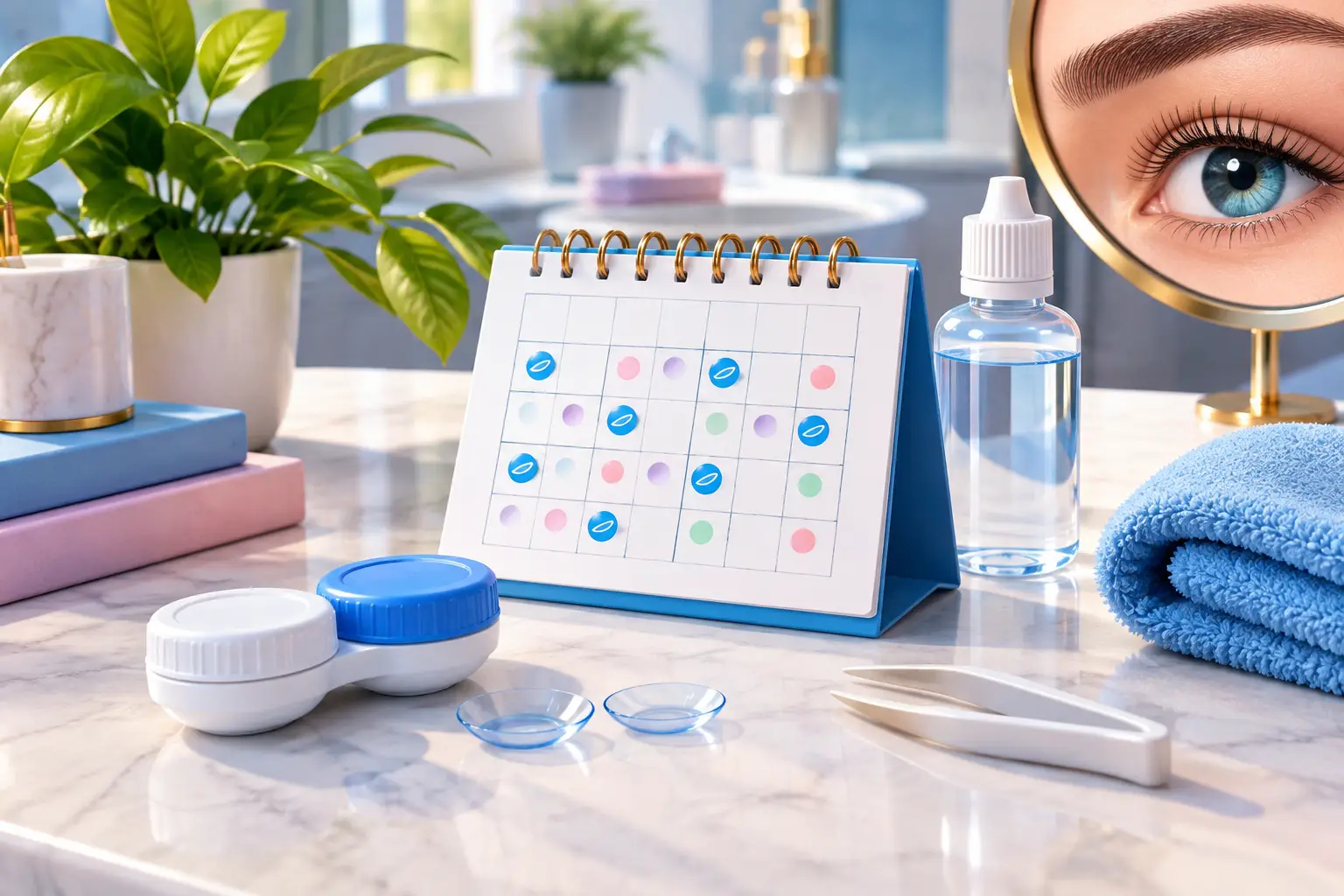
A better system keeps the information attached to the lenses rather than relying on memory. You should be able to open your drawer and know, at a glance, what each pair is, when it was opened, and when it needs to be replaced.
Build a Simple Contact Lens Tracking System
You do not need a complicated spreadsheet to stay on top of your lens dates. You need one consistent place for your lenses and their details. Start by recording the information that helps you make a clear wear-or-replace decision.
For every pair, keep track of:
- The prescription for each eye, including whether the lenses are clear or colored
- The manufacturer’s printed expiration date for unopened lenses
- The date a reusable pair was opened
- The replacement date based on your prescribed schedule
- The purchase date and any details you may need when reordering
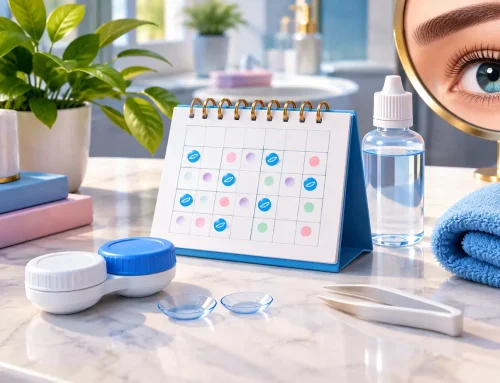
Use a format you will actually keep up with. Some people prefer a written label; others want a dedicated organizer with room for lens cases and records. The best system is the one that makes the answer obvious before you touch the lens.
EYEBOX is designed around that simple need: keeping lens cases together while preserving the details that are usually lost with the packaging. Color-coded identification and a clear record of prescription, color, purchase information, and expiration details can make multiple pairs much easier to manage.
Make Replacement Dates Easier to Follow
A replacement date is most useful when it is decided on the day you open a lens, not weeks later when you are trying to remember. If you open a monthly lens on the 8th, mark its replacement date immediately. If you open a two-week lens, do the same. For daily disposables, the system is even simpler: wear once, then discard.
Your schedule may need extra attention if you alternate between glasses and contacts. It is tempting to assume a reusable lens lasts longer because it was not worn every day. But replacement schedules are generally based on time after opening, not the number of times the lens was used. Follow the instructions provided for your specific lens type and the guidance from your eye care professional.
Keep unopened boxes separate from open pairs. This avoids another common mix-up: reaching for a fresh lens, only to discover later that it was an older box or an already-opened pair. A little separation now prevents confusion later.
A Clear Routine Is Better Than a Good Memory
Contact lens care should not depend on recognizing a case by its location in the drawer or trying to remember whether you opened a pair before a holiday, a new job, or your last eye exam. Those details fade quickly, especially when life gets busy.
Give every pair a home, record the date when you open it, and remove expired lenses from your supply as soon as you find them. Your eyes deserve a routine built on clear information, not a best guess.