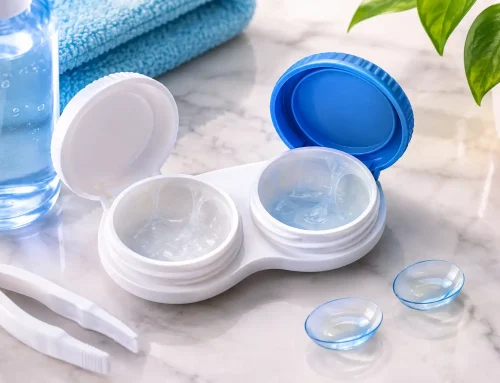
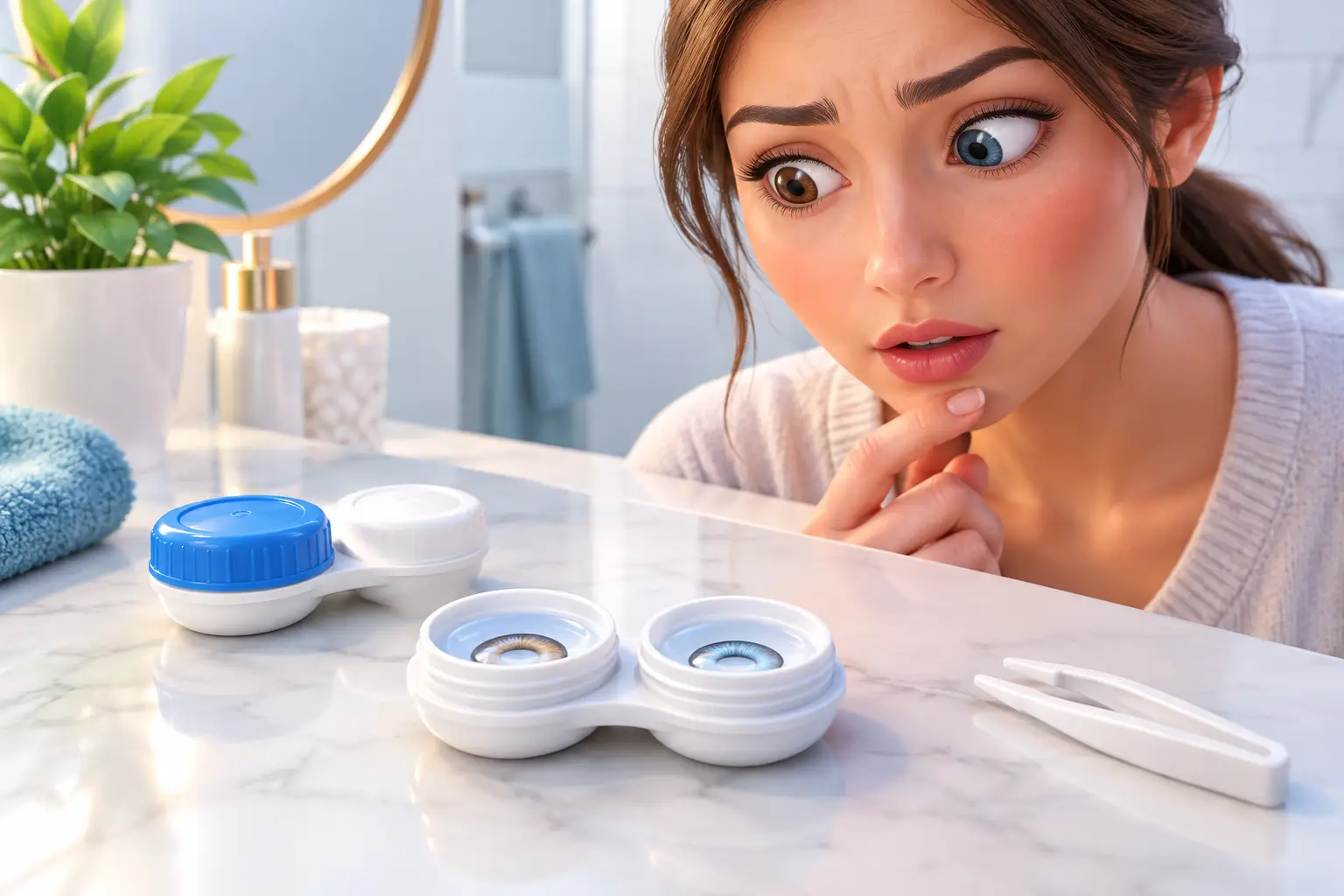
Two contact lens cases can look exactly alike at 6:30 in the morning. One holds your everyday prescription lenses. The other holds a pair of colored contacts you wore last weekend. You reach for a case, insert the lenses, and immediately notice something feels off.
That is a common contact lens mixup example, and it is more than a frustrating start to the day. Mixing up lenses can mean blurry vision, discomfort, a mismatched color effect, or wearing a pair beyond its intended schedule. The problem usually starts long before insertion: similar cases, discarded packaging, handwritten labels that rub off, and details that live in too many places.
A better system makes the right pair easy to identify before it ever reaches your eye.
A Contact Lens Mixup Example: Same Case, Different Lenses
Imagine you wear a stronger prescription in your left eye than your right. You also keep colored contacts for special occasions. After cleaning both pairs, you place their cases in the same bathroom drawer. A few days later, the cases are side by side with no clear label.
You pick up the colored lens case, assuming it contains your daily lenses. Or you put the left lens into your right eye because you cannot remember which side of the case is which. Neither mistake is hard to make. Contact lens cases are small, and many are nearly identical.
The result might be immediate blur, eye strain, or a lens that simply does not feel right. With cosmetic lenses, the color may be wrong for the look you expected. If you have several boxes open at once, you may also lose track of the replacement date or whether a pair is still within its recommended use period.
This is why “I will remember” is not a reliable organization method. Routines get busy. Cases get moved. Packaging gets thrown away during a cleanup. The details that seemed obvious at purchase can disappear quickly.
Why Lens Mixups Happen So Easily
Contact lens wearers are often managing more information than they realize. A single pair can have a brand name, power, base curve, diameter, color, expiration date, purchase date, and replacement schedule. Add a second prescription, backup lenses, or cosmetic lenses, and the risk of confusion rises fast.
The usual storage setup makes this harder. Lens cases may end up in a drawer, medicine cabinet, or countertop basket with solution bottles and other personal-care items. The box with the prescription details may be in a different room or already gone. Even when cases have an L and R marking, that only helps if you know which lens belongs in each compartment and which case belongs to which pair.
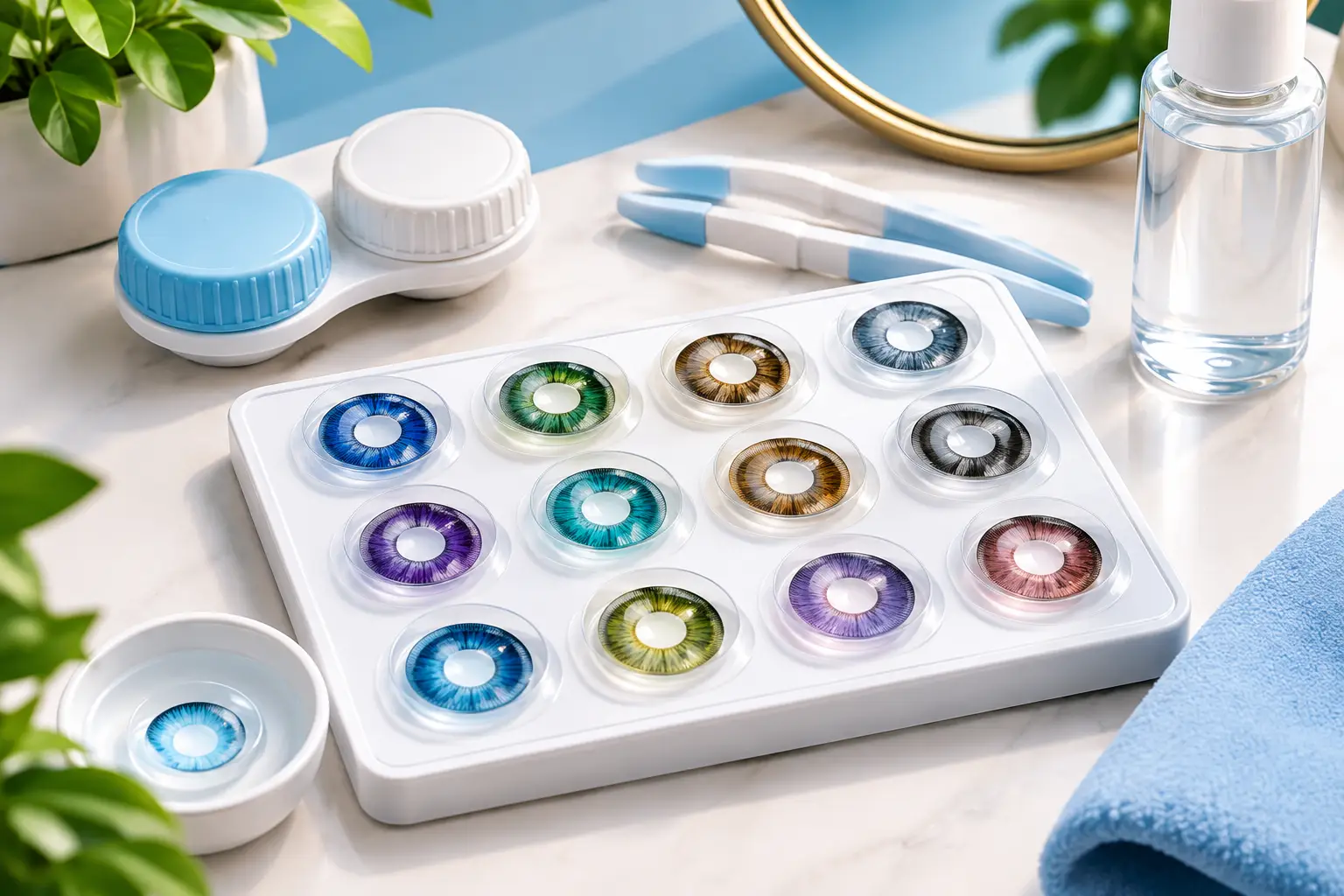
Color can create another layer of confusion. A hazel-colored lens, a gray lens, and a clear prescription lens may all be stored in similar cases. If you rotate colors or keep unopened backup boxes, it becomes easy to forget what is active, what is expired, and what still needs to be replaced.
The issue is not carelessness. It is a storage problem. When critical details are separated from the lenses themselves, mistakes become much more likely.
What to Do When a Lens Feels Wrong
If a lens feels uncomfortable, causes unusual blur, or looks different than expected, do not try to push through it. Remove it with clean, dry hands and check the lens and its case before putting anything back in your eye.
First, confirm that you have not switched the left and right lenses. Next, check whether you accidentally opened the case for another pair. If the lens is damaged, dirty, dried out, or you cannot confidently identify it, do not wear it. Use a known, correctly identified pair instead.
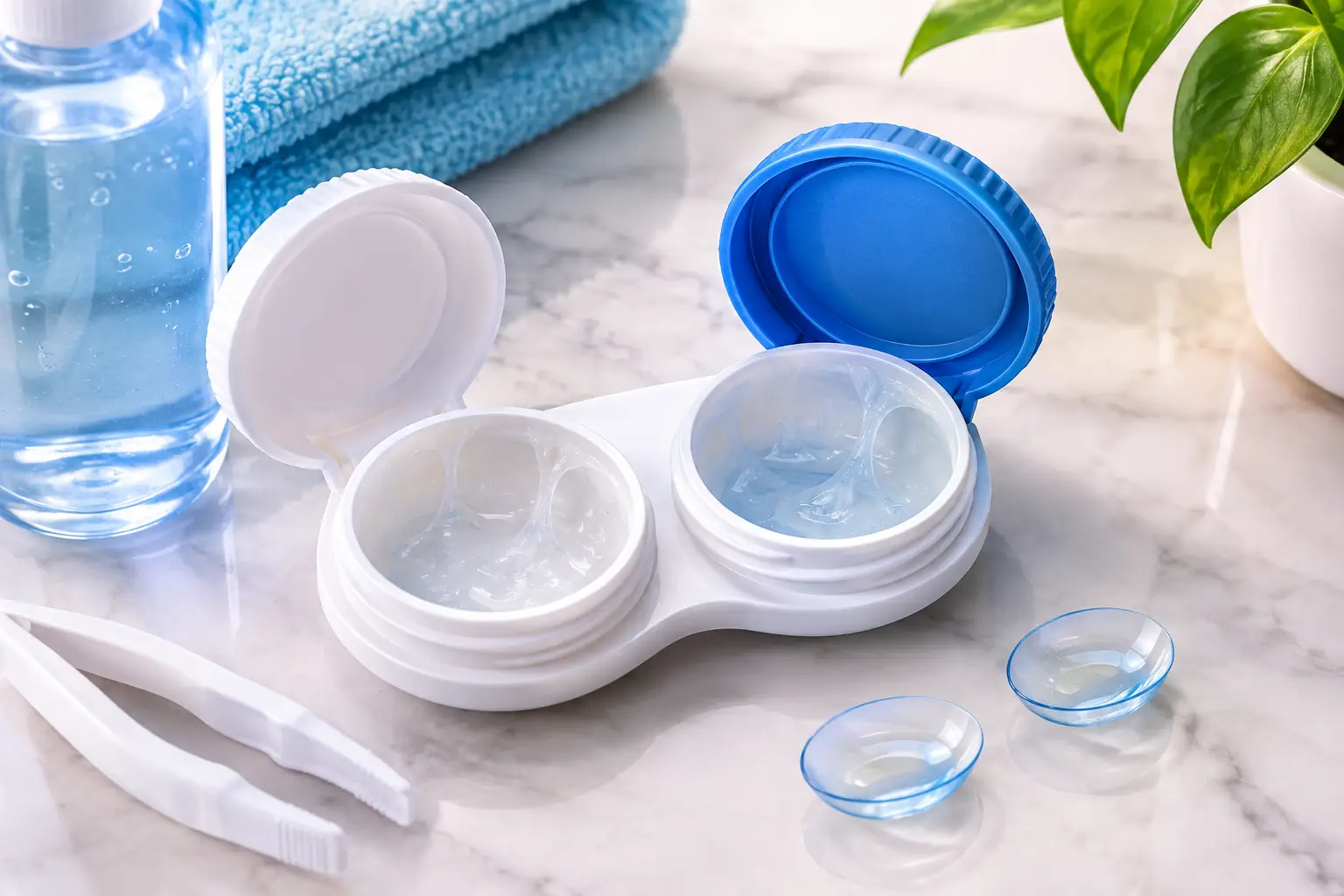
A lens that is inside out can also feel wrong, so it helps to check its shape. A properly oriented soft lens generally forms a smooth bowl. If the edges flare outward, it may be reversed. However, do not assume every discomfort issue is an inside-out lens. A prescription mixup, a damaged lens, or an old pair can produce a similar feeling.
If redness, pain, light sensitivity, discharge, or vision changes continue after removing the lens, contact an eye care professional promptly. Organization helps prevent everyday mixups, but it does not replace professional advice when your eyes are irritated or painful.
Build a Clear Identification System at Home
The simplest fix is to keep each lens pair connected to its essential information. That means the case, prescription, color, and replacement details should be stored together in one consistent location.
Start by gathering every contact lens case, box, and spare pair you currently use. Match each case to its packaging before discarding anything. Record the information you are most likely to need: right-eye and left-eye prescription, lens color, brand, expiration date, purchase date, and when the pair should be replaced.
Then assign each pair a clear identity. For example, you might identify one pair as “daily clear – work,” another as “hazel – occasional,” and another as “backup clear.” The wording is less important than consistency. Use names that make sense to you at a glance.
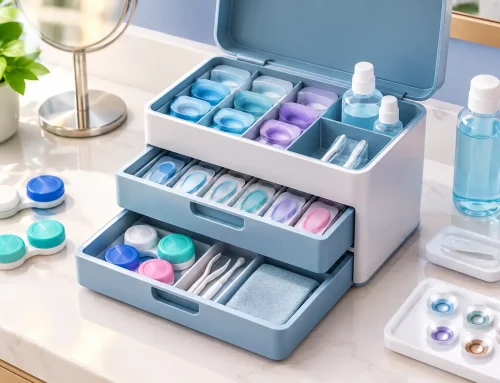
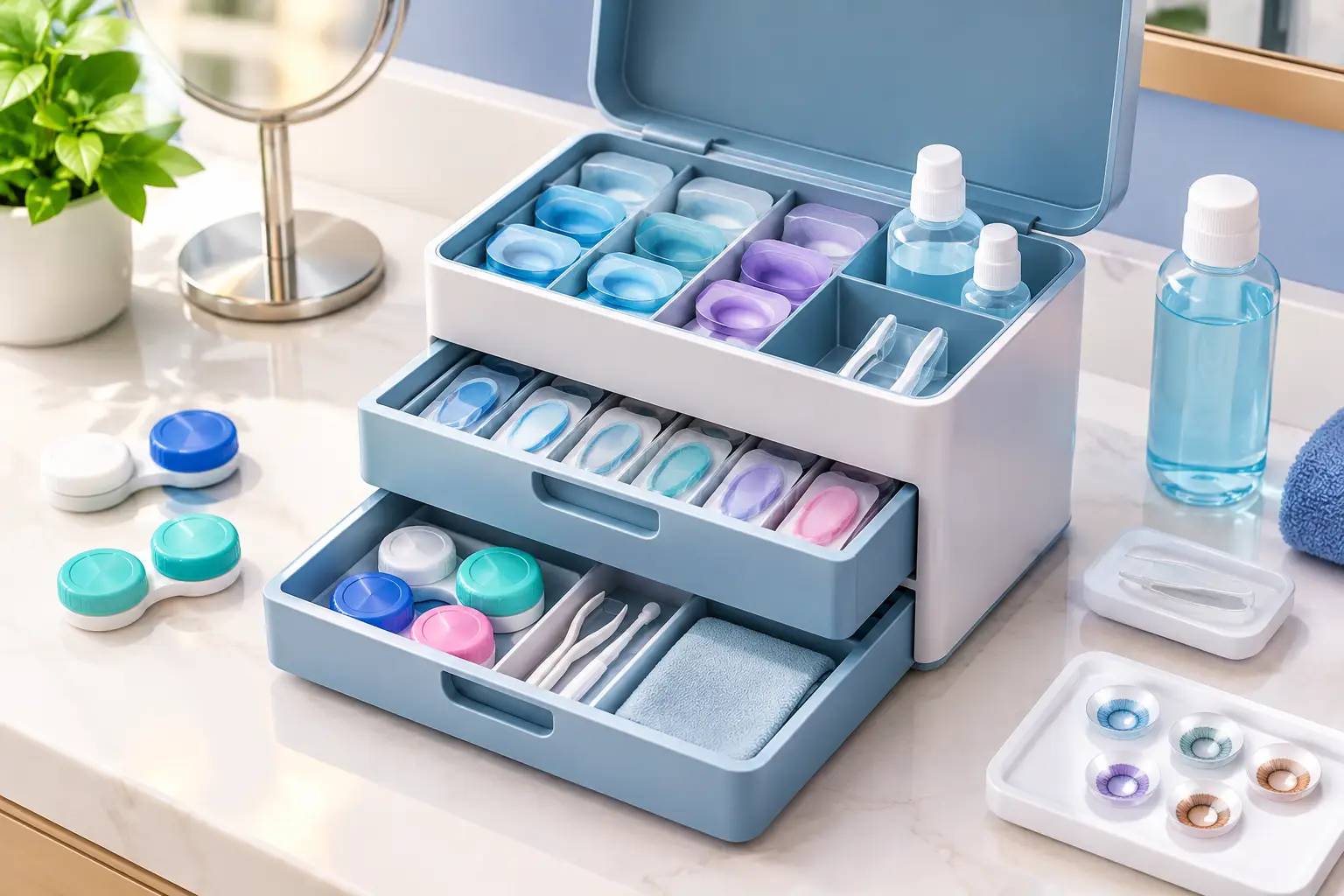
A purpose-built organizer can make that process easier. EYEBOX keeps lens cases with the details that identify them, including prescription, color, expiration date, and purchase information. Instead of asking which identical case is which, you have a designated spot and a record for each pair.
The goal is not to create a complicated tracking routine. It is to eliminate the moments where you are guessing.
Keep active and backup lenses separate
Active lenses and backup lenses should not compete for the same space. Keep the pair you are currently wearing clearly separated from unopened boxes or spare cases. This reduces the chance that you open a backup pair by mistake or wear an older pair because it was closest at hand.
If you wear monthly or reusable lenses, add the date you first opened them to your records. The expiration date printed on the package and the replacement date after opening are not always the same thing. Both details matter.
Make color contacts as easy to track as prescription lenses
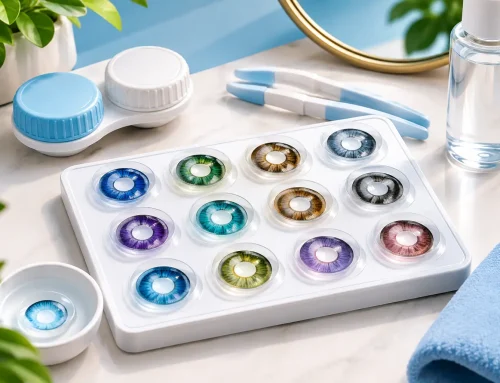
Colored contacts deserve the same level of organization as clear lenses. A color name alone may not be enough, especially if you own similar shades. Record the color, brand, prescription if applicable, and whether the lenses are currently in use.
This is especially helpful for people who switch between colors for events, photos, weekends, or everyday wear. You should not have to inspect a lens closely to remember whether it is gray, green, or your regular clear pair.
Small Habits That Prevent Big Confusion
A reliable lens setup works best when paired with a few simple habits. Always return a case to its assigned place after cleaning lenses. Keep the original box until the information has been recorded. Replace damaged, cracked, or hard-to-read cases rather than trying to make them work.
It also helps to check your lens details before opening a new pair. Confirm the power, eye designation, color, and expiration date against your prescription or order information. This takes less than a minute and can prevent weeks of wearing the wrong lenses or wondering why your vision feels different.
Do not rely only on the appearance of the lens. Clear lenses can have different prescriptions, and colored lenses can look nearly identical in solution. Your storage record should be the source of truth.
The Relief of Knowing What You Are Wearing
The best contact lens organization does not add another chore to your routine. It removes uncertainty from a routine you already have. You know which case holds your current lenses, which pair is for each eye, when to replace them, and where to find the details if something feels wrong.
That confidence matters on ordinary mornings, not just when a mixup happens. A clear system turns a small, easy-to-ignore source of frustration into one less thing you have to remember.