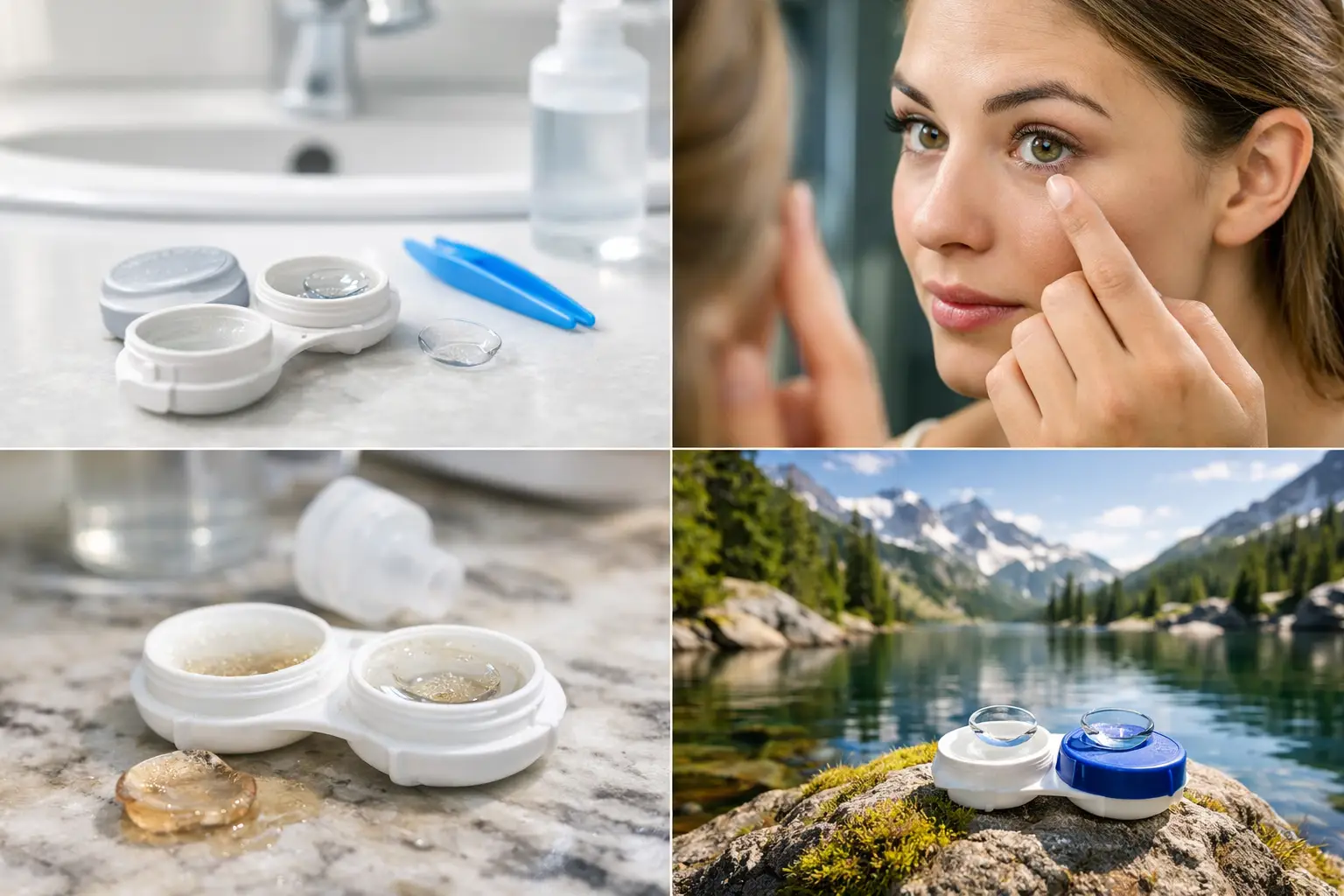
A contact lens case can look like a tiny detail on a bathroom counter, until you are trying to remember which pair is which, when you opened them, or whether that blue case holds your prescription lenses or colored contacts. Contact lens storage mistakes often start with simple clutter, but they can quickly turn a routine you rely on into a guessing game.
The goal is not to create a complicated lens-care system. It is to give every pair, case, and detail a clear place so you can handle your lenses with more confidence and less frustration.
1. Keeping Lens Cases Without Their Details
Many lens wearers throw away the box, prescription label, or color information as soon as they open a new pair. It feels like clearing clutter. A few weeks later, though, the details you need are gone.
Without the original information, it is easier to forget the lens color, power, brand, replacement schedule, expiration date, or purchase date. This is especially frustrating when you own several pairs that look similar in their cases.
Keep the key details with the lens case from the beginning. Write down the prescription, color, date opened, expiration date, and where you purchased the lenses. You do not need to save every piece of packaging forever, but you should not rely on memory for information that affects what you wear.
2. Using Similar-Looking Cases for Different Pairs
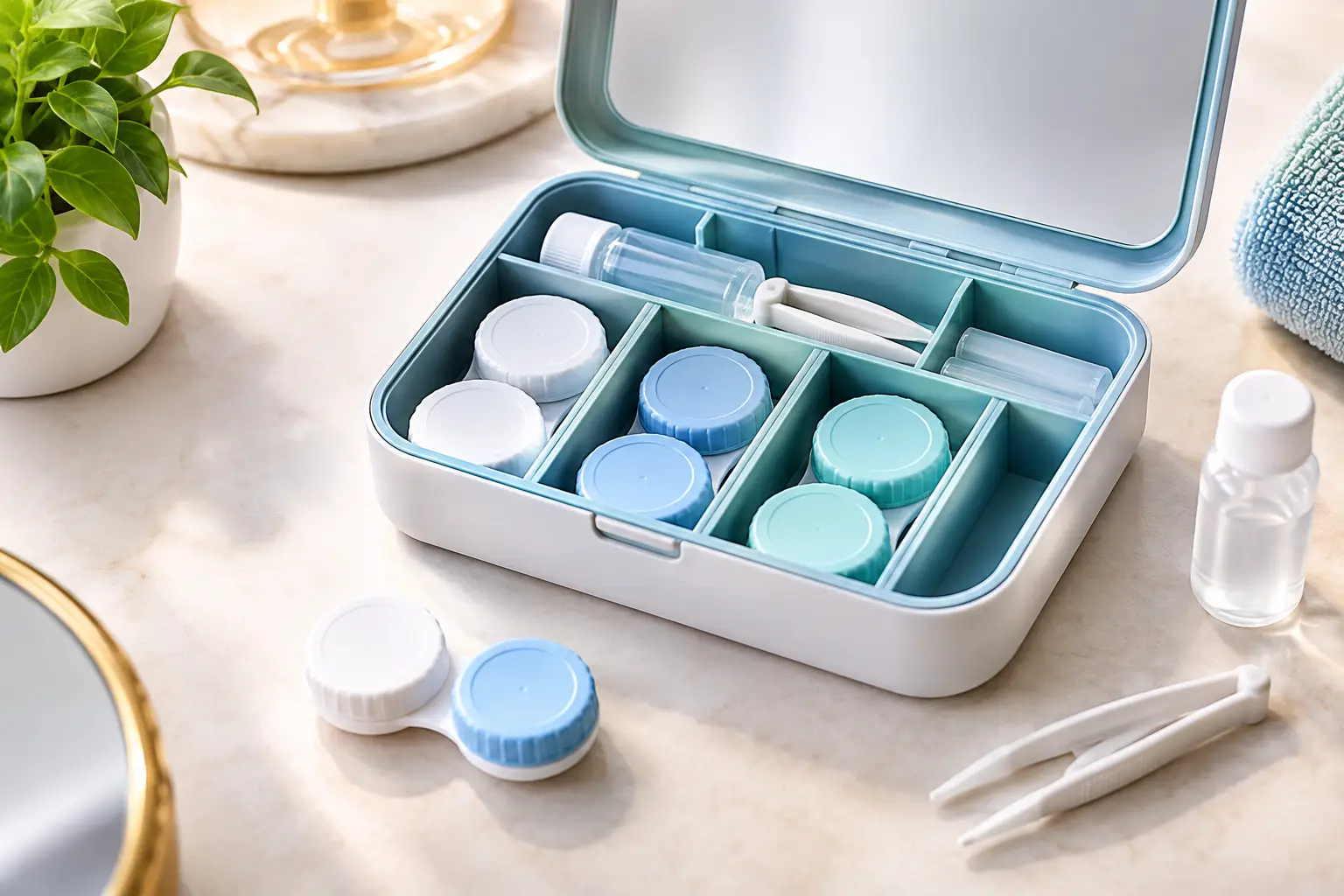
A drawer full of identical cases is neat only until you need to identify one quickly. If you switch between everyday prescription lenses, colored lenses, and occasional-use pairs, matching cases create unnecessary confusion.
The problem is not just remembering which case belongs to which pair. When cases look alike, it becomes easier to grab the wrong one, lose track of a pair’s schedule, or wonder whether a case has been used recently.
Create a visible way to tell pairs apart. Color coding can help, but labels are even better when several pairs share a similar color. The best system lets you see the case and the lens details together instead of making you search through notes, old orders, or discarded boxes.
3. Storing Cases in Random Bathroom Spots
The medicine cabinet, counter, drawer, and under-sink shelf can all become temporary homes for lens supplies. Temporary has a way of becoming permanent. Soon, one case is behind a bottle, another is in a makeup bag, and a fresh supply of solution is somewhere you cannot find.
Random storage creates two everyday problems: you cannot easily see what you have, and you are more likely to misplace something when you are in a hurry. It also makes cleaning around your supplies harder than it needs to be.
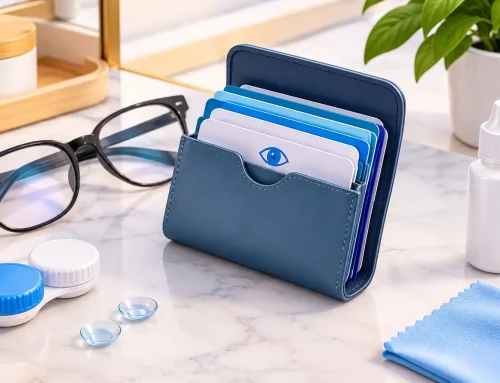
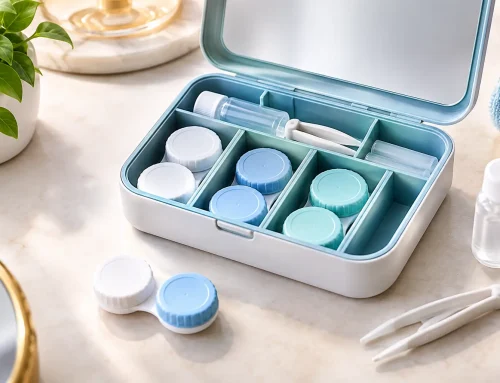
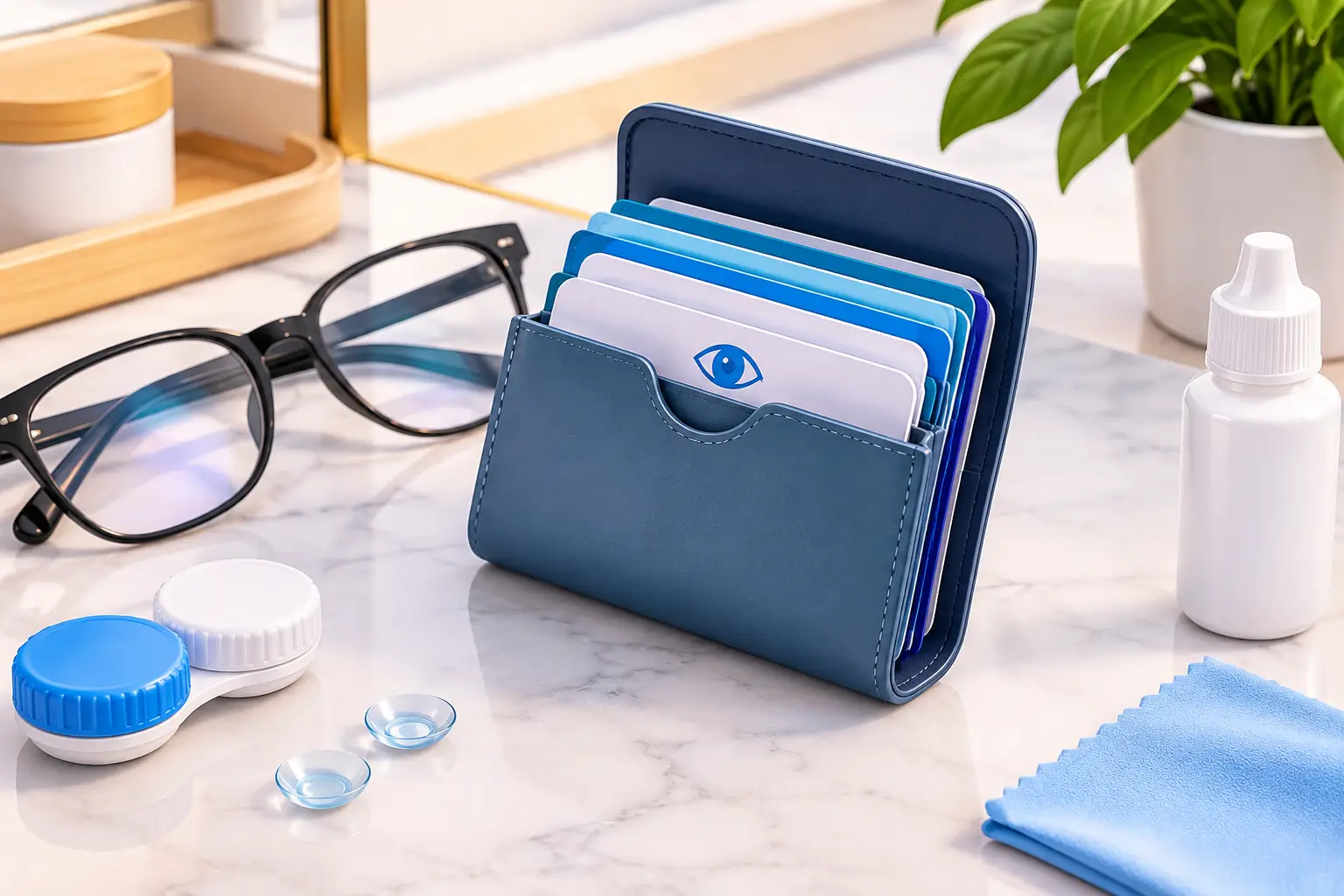
Choose one designated storage location for lens cases and related information. A compact organizer such as EYEBOX keeps multiple cases together while giving you a place to record prescription, color, expiration, and purchase details. The point is not more stuff on the counter. It is fewer loose items and fewer unanswered questions.
4. Forgetting When a Pair Was Opened
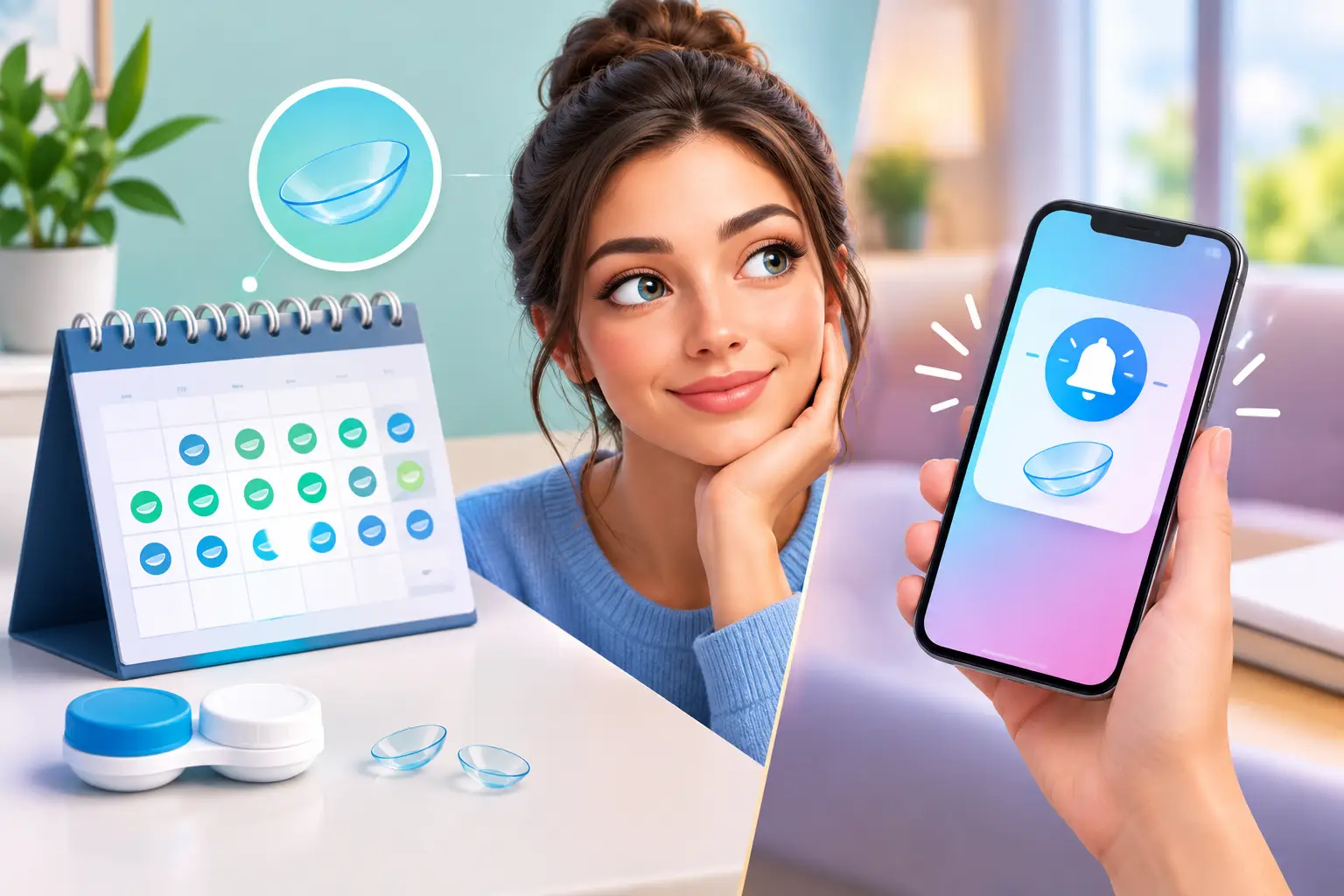
Lens replacement schedules are easy to lose track of because the calendar rarely matches your routine. You may open a pair late at night, rotate between several styles, or stop wearing lenses for a few days. Then “I think these are still good” becomes the only tracking method.
That is not a reliable system. A pair that feels fine may still be past the replacement timing recommended by your eye care professional or the lens manufacturer.
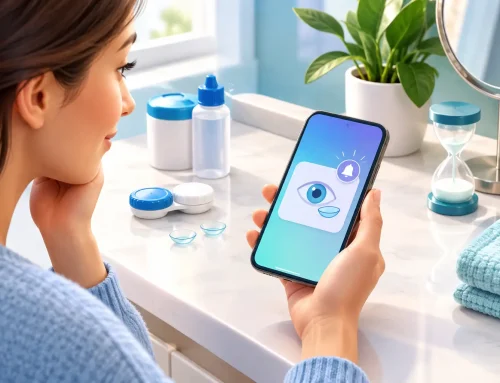
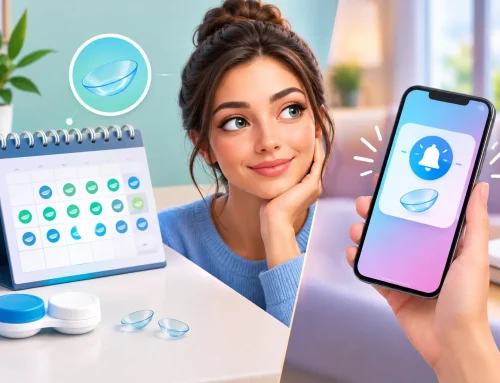
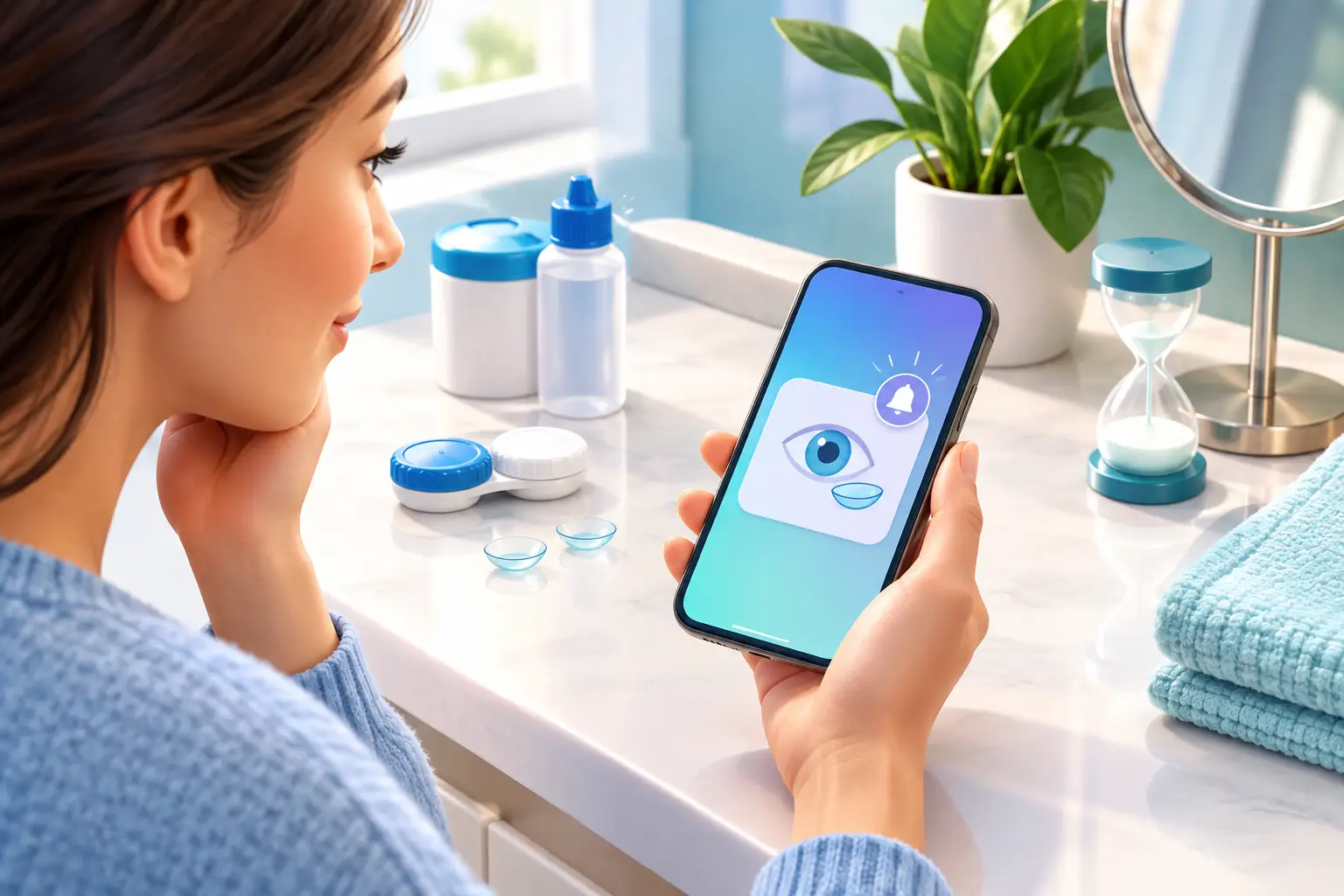
As soon as you open a pair, record the date. If your lenses are daily, biweekly, monthly, or another replacement type, note the date they should be discarded as well. A simple written reminder near the case is much more useful than trying to calculate dates in your head.
5. Leaving Old Solution in the Case
Lens cases need more than a quick top-off. Reusing old solution or adding fresh solution to what is already there can leave you with a case that is not properly cleaned for the next use.
Empty used solution after you put your lenses in. Clean the case according to the instructions for your lens care system, then let it air dry as directed. Before storing lenses again, use fresh solution – not water and not leftover solution from the previous day.
This is one area where your specific lens type and solution matter. Follow the instructions provided with your products and any guidance from your eye care professional. An organized storage setup supports good habits, but it does not replace proper cleaning and replacement instructions.
6. Treating the Case as a Permanent Accessory
A lens case is not meant to last forever. It can become stained, damaged, or simply overdue for replacement. Because cases are small and inexpensive, people often keep using them long past the point when they should be swapped out.
If the case is cracked, warped, dirty, or difficult to close, replace it right away. Even when it appears fine, replace it on the schedule recommended by your eye care provider or lens care product instructions. Keep a few clean replacement cases in your storage area so replacing one is easy, not another errand to remember.
7. Mixing Cosmetic and Prescription Lens Information
Colored contacts can add another layer of confusion. You may have blue, hazel, gray, or costume-style lenses, and some may have prescription power while others do not. The cases might look nearly identical once the original packaging is gone.
Do not label a pair only by color. Record whether it is prescription or non-prescription, the power if applicable, the brand, the color, and its replacement timeline. That level of detail may sound excessive when you first set it up, but it prevents the much more annoying question later: “Which lenses are these?”
8. Keeping Expired or Unused Lenses in the Same Pile
Unopened lenses can sit in a drawer for months, especially if you buy backups or rotate colors. If expired boxes and current inventory are mixed together, you may not notice what needs to be used, checked, or discarded.
Separate active pairs from unopened backup lenses. Review your supply every few months and check the expiration dates on unopened packages. Keep current pairs easy to reach, and remove expired products rather than leaving them in the same container “just in case.”
A clear inventory also makes reordering easier. You can see what you actually have before buying another pair or running out unexpectedly.
9. Relying on Memory Instead of a Simple System
The biggest storage mistake is believing you will remember everything. You may remember a new pair’s details today, but not after several weeks, a busy schedule, or the next time you reorganize the bathroom.
A useful system should answer the questions you ask most often:
- Which pair is in this case?
- What is the prescription and color?
- When did I open it?
- When should I replace it?
- Do I have unopened backups left?
If your current setup cannot answer those questions in a few seconds, it is creating work instead of reducing it.
Build a Storage Routine You Will Actually Keep
The most effective contact lens storage routine is the one you can maintain on an ordinary morning. Keep your cases together, make identifying details visible, record open and expiration dates, and replace supplies when needed. Do not build a system that depends on perfect memory or a drawer that stays perfectly tidy.
Start with the pairs you use now. Label them, record the details you tend to forget, and give them one consistent home. That small reset can turn a scattered lens routine into one that feels clear, clean, and easy to manage every day.