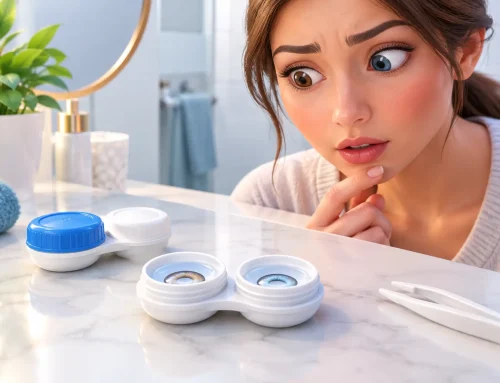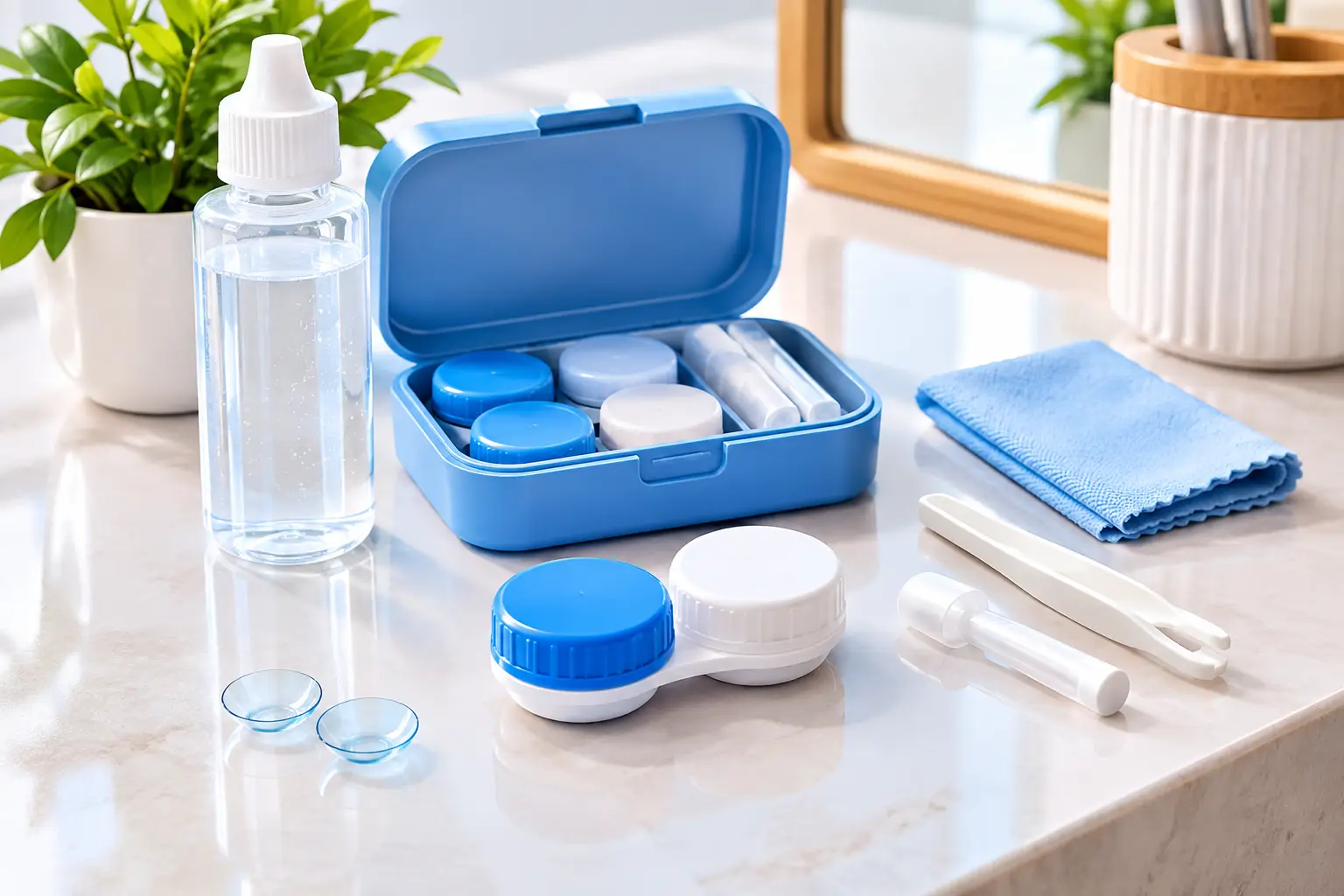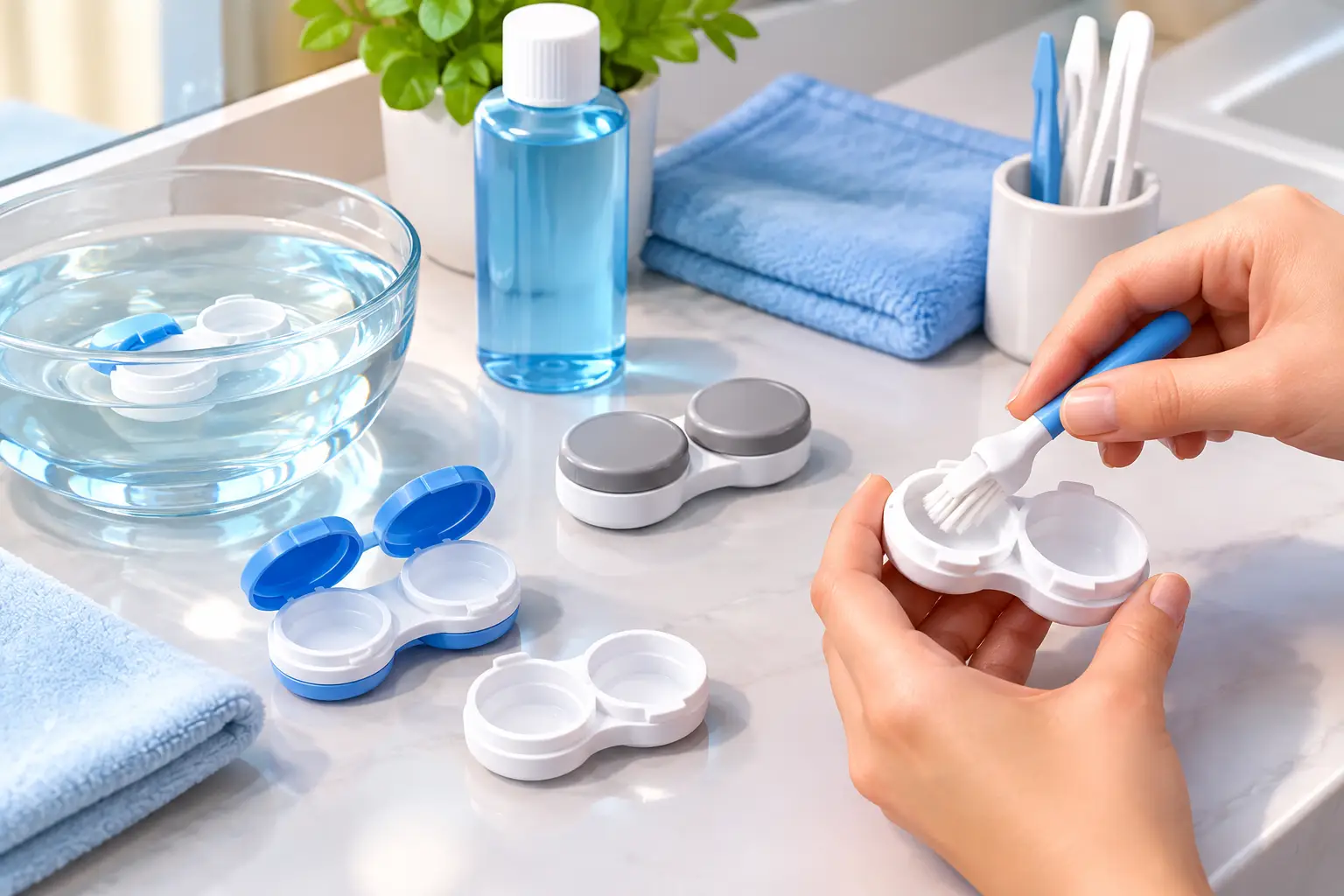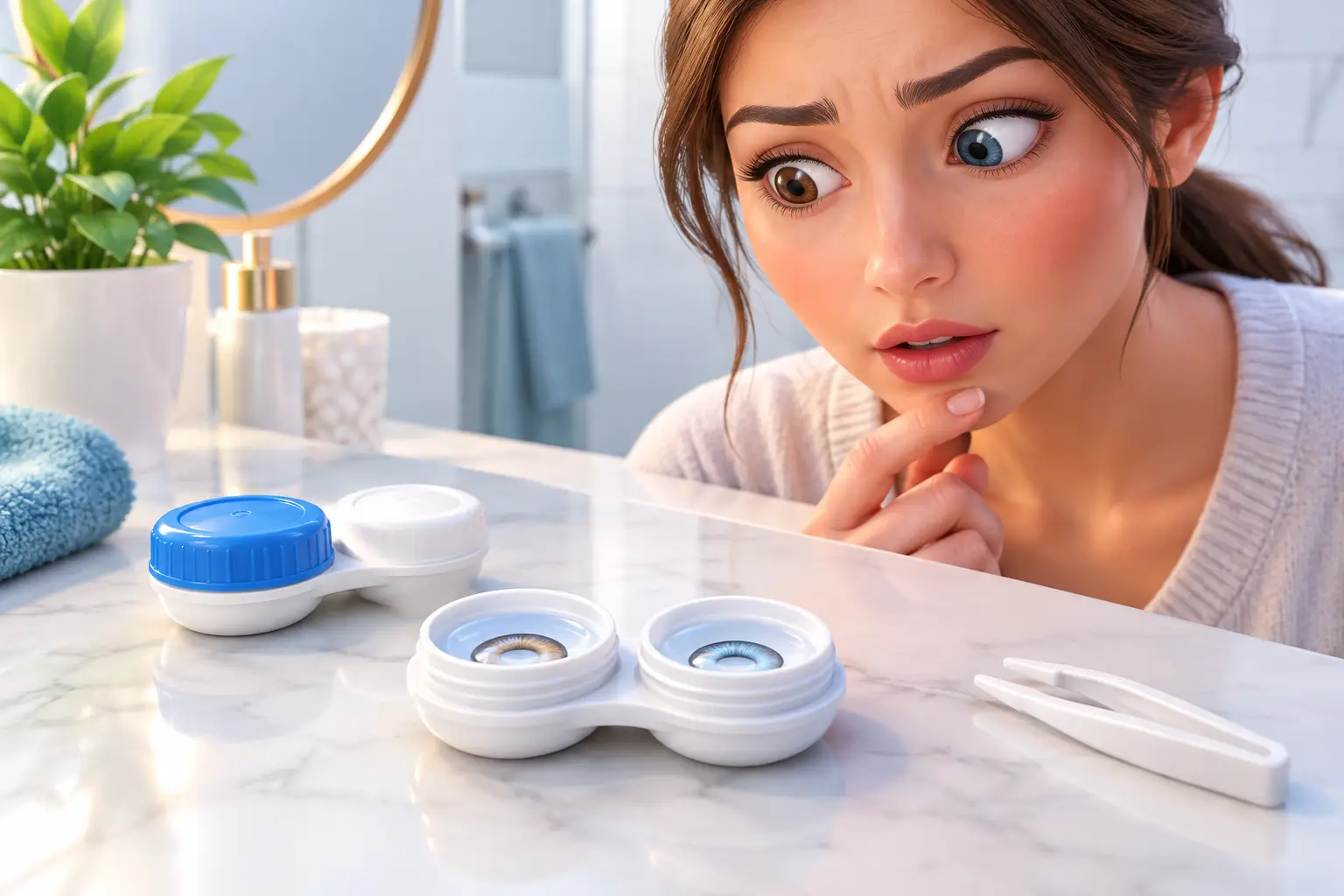
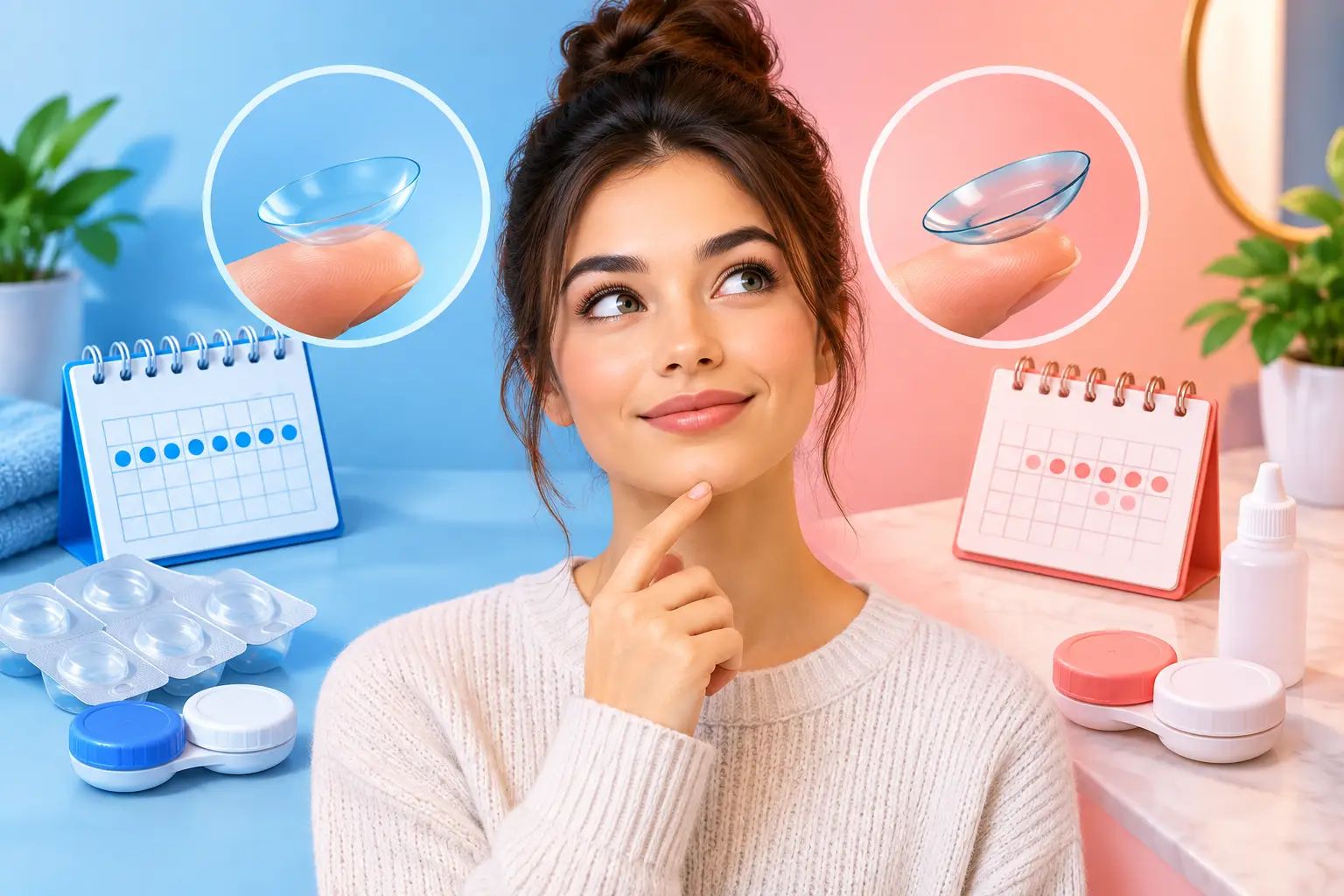
A contact lens case with no label, an empty blister pack tossed in the trash, and two nearly identical pairs of lenses can create a surprising amount of confusion. When comparing daily versus monthly contacts, the best choice is not only about what feels good in your eyes. It is also about the routine you can realistically keep up with every day.
Daily and monthly lenses can both provide clear, comfortable vision when they are properly fitted and used as directed by your eye care professional. The real difference is what happens before and after you wear them: how much care they require, what you need to remember, and how easily you can keep your lens details straight.
Daily Versus Monthly Contacts: The Basic Difference
Daily disposable contacts are worn once and then discarded at the end of the day. You open a fresh, sterile lens in the morning, wear it as prescribed, remove it at night, and throw it away. The next day starts with a new pair.
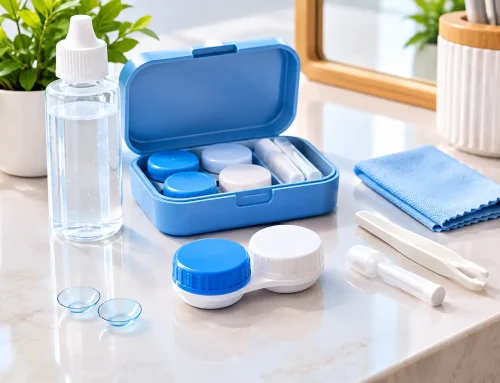
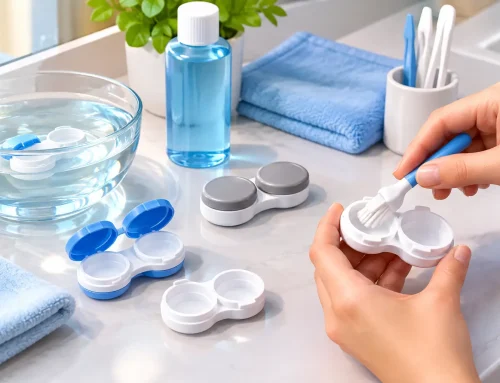
Monthly contacts are reusable lenses designed to be replaced on a schedule, commonly every 30 days after opening. They must be removed, cleaned, disinfected, and stored in fresh solution each time you take them out, unless your eye care professional has specifically prescribed a different wear schedule.
That sounds simple, but it changes your entire lens-care routine. With dailies, the main job is remembering to open a new pair. With monthlies, you are managing lens cases, solution, replacement dates, prescription information, and sometimes several pairs if you wear colored contacts or keep backup lenses.
Why Daily Contacts Work for Some Wearers
The biggest appeal of daily contacts is simplicity. There is no cleaning step and no need to store the lenses overnight. For people with packed schedules, occasional lens wearers, or anyone who knows they are unlikely to keep up with a cleaning routine, that can be a major benefit.
Fresh lenses may also feel especially appealing if you deal with deposits that build up over repeated wear. A new lens each day means you are not putting yesterday’s lens back in your eye. Some people also prefer dailies when they switch between glasses and contacts throughout the week, since they only use a pair on the days they need it.
Daily lenses are not automatically the right answer for everyone, though. If you wear contacts every day, the ongoing cost can be higher depending on your prescription, vision plan, and the specific lens your eye care professional recommends. They also create more packaging waste than reusable options. Convenience is valuable, but it is worth considering whether that convenience fits your budget and preferences over time.
Why Monthly Contacts Work for Some Wearers
Monthly contacts can be a practical option for consistent, full-time wearers. One pair is designed to last through a scheduled replacement period, which can make the cost per day lower than daily disposables for some people.
They can also make sense for people who are comfortable following a repeatable care routine. If you already take medication at night, remove makeup, or follow a detailed skin-care routine, adding lens cleaning and storage may feel manageable rather than burdensome.
The trade-off is that reusable lenses require more attention. A monthly lens is only as clean and safe as the care routine behind it. Skipping cleaning, topping off old solution, using water, or stretching the replacement schedule can lead to discomfort and may increase the risk of eye problems. Monthly does not mean “use until it feels bad.” It means replace it when its scheduled time is up, even if it still seems fine.
The monthly lens details people forget
With monthly contacts, the lens itself is only one part of the system. You also need to know when you opened the pair, when it should be replaced, which prescription it belongs to, and which color or brand it is if you use more than one type.
That information is easy to lose when packaging is discarded. It becomes even harder when you have a drawer full of similar lens cases or wear colored contacts alongside prescription lenses. A quick guess can turn into wearing the wrong lens, opening a backup pair too soon, or ordering the wrong replacement.
Cost: Look Beyond the Box Price
Daily contacts may look more expensive because you purchase a lens for every day you wear them. Monthly contacts may look less expensive upfront because one pair lasts longer. But box price alone does not tell the full story.
Monthly lens users also need multipurpose solution or another system recommended for their specific lenses, plus lens cases that should be replaced regularly. If you lose track of an opening date and replace lenses early, or accidentally open duplicate pairs, your actual costs can climb.
Daily lens users should consider how often they truly wear contacts. If you wear lenses only a few days each week, dailies may prevent you from paying for a reusable lens that sits unused. If you wear lenses from morning to night nearly every day, a monthly option may be more economical. Your prescription and insurance coverage can shift the math either way.
Comfort Depends on More Than the Lens Type
There is no universal winner for comfort. Some people love the clean, fresh feeling of a daily lens. Others get excellent comfort from monthly lenses that are properly cleaned and replaced on time. Material, fit, dryness, allergies, screen time, medication, and your individual eye health all matter.
Do not choose based solely on a friend’s experience or a price comparison. Your eye care professional can recommend options based on your prescription, tear film, lifestyle, and the amount of oxygen your eyes need. If your lenses regularly feel dry, blurry, itchy, or uncomfortable, do not simply push through until replacement day. Remove them and ask your provider what may be causing the issue.
Organization Matters More With Monthly Contacts
Daily users have less to store, but organization still helps. Keeping your unopened boxes together and retaining key prescription details can make reordering easier. If you wear different prescriptions in each eye, clear labeling prevents mix-ups before you ever open a blister pack.
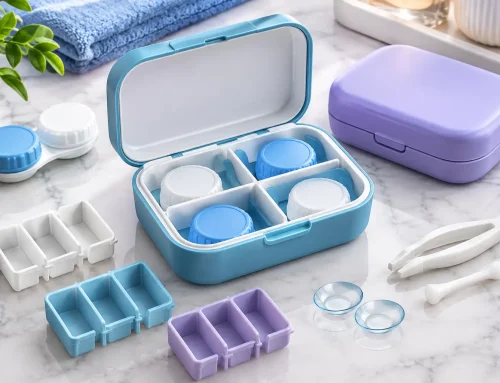
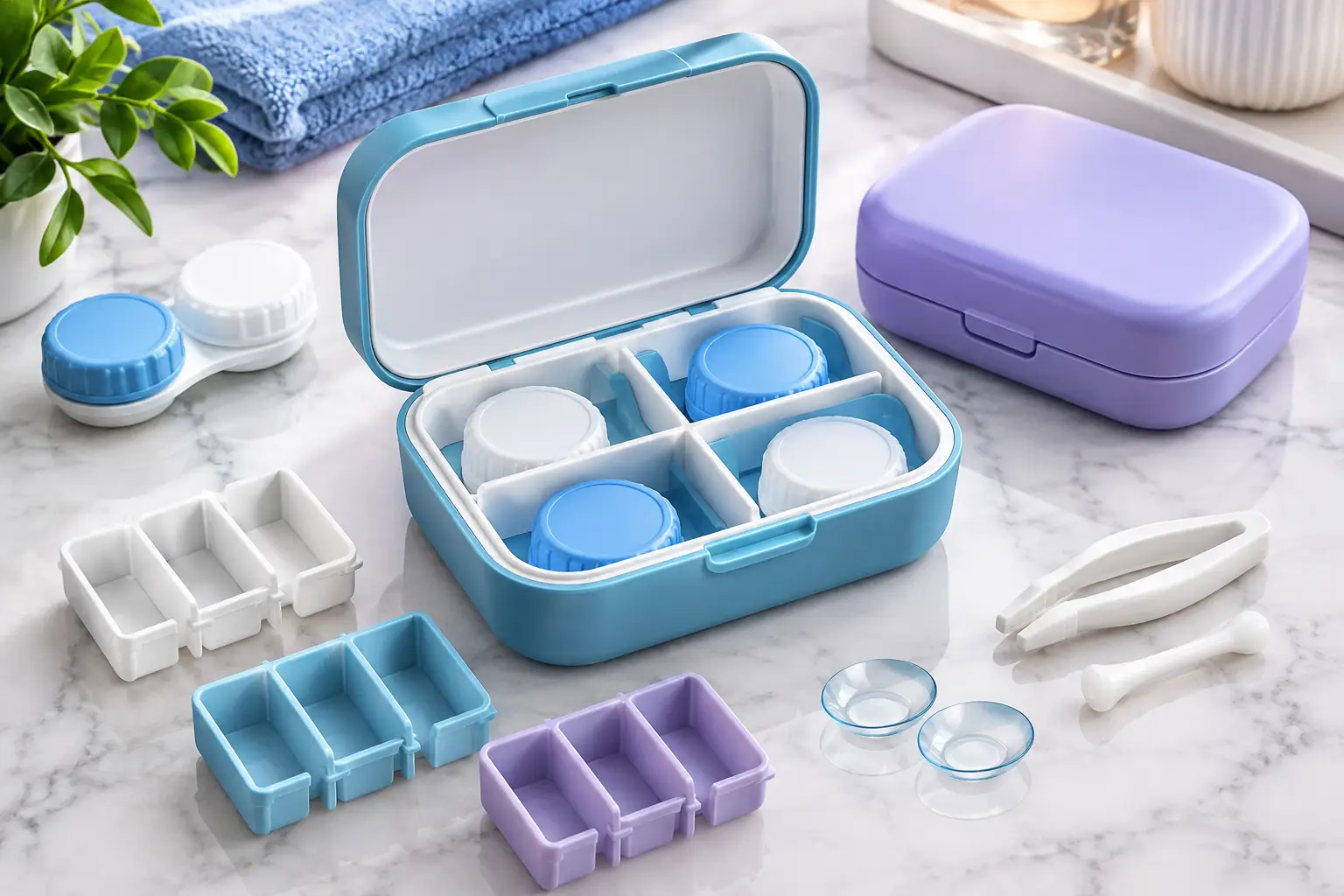
For monthly users, organization is part of lens care. A good setup keeps each pair separated and makes essential information easy to find. Record the prescription, lens color, brand, purchase date, opening date, and replacement date. If you use colored lenses, treat them with the same care as corrective lenses. Cosmetic contacts are medical devices and need a valid prescription and proper handling.
An organizer such as EYEBOX can keep lens cases and their details together rather than leaving you to rely on memory, loose boxes, or notes buried in your phone. The goal is simple: when you reach for a lens case, you should know exactly what is inside and when it needs to be replaced.
A Simple Routine for Either Lens Type
Whatever you wear, clean hands come first. Wash and dry your hands thoroughly before touching lenses or lens cases. Never rinse or store contacts in tap water, and do not reuse old solution.
For daily lenses, check that you are opening the correct prescription and discard the lens after use. For monthly lenses, follow the cleaning and disinfection instructions for your exact lens and solution, use fresh solution every time, and replace the pair on schedule. Keep the outer box or record its details before discarding it.
If you sleep in lenses, wear lenses longer than recommended, or have recurring redness or pain, speak with your eye care professional. Your lens replacement schedule should support your eye health, not compete with it.
Which Option Fits Your Real Life?
Choose daily contacts if you want the fewest care steps, wear lenses occasionally, or prefer starting every day with a fresh pair. Choose monthly contacts if you wear lenses consistently, want to manage the ongoing cost carefully, and can commit to cleaning, storing, and tracking them correctly.
Neither choice is better simply because it is daily or monthly. The better choice is the one prescribed for your eyes and supported by a routine you can follow without guessing. When your lens details have a clear home and your replacement date is easy to see, contact care feels less like another loose end and more like a habit you can trust.