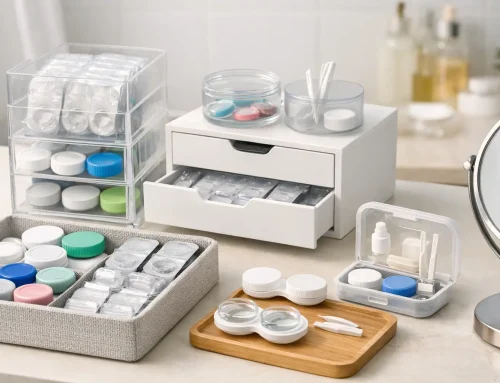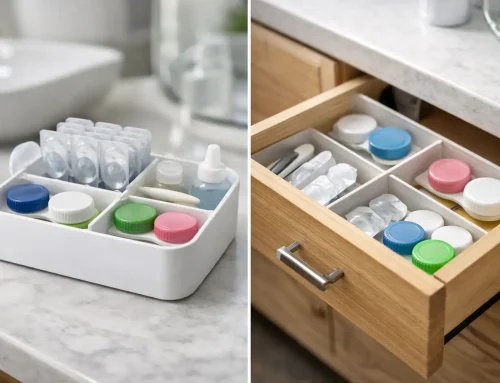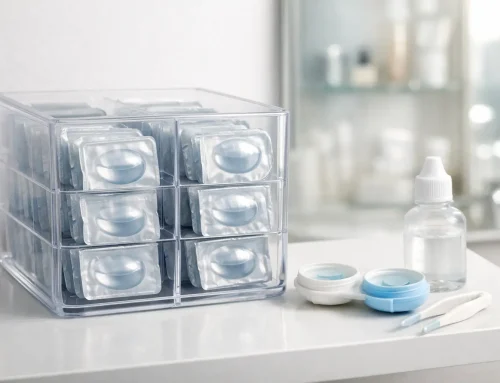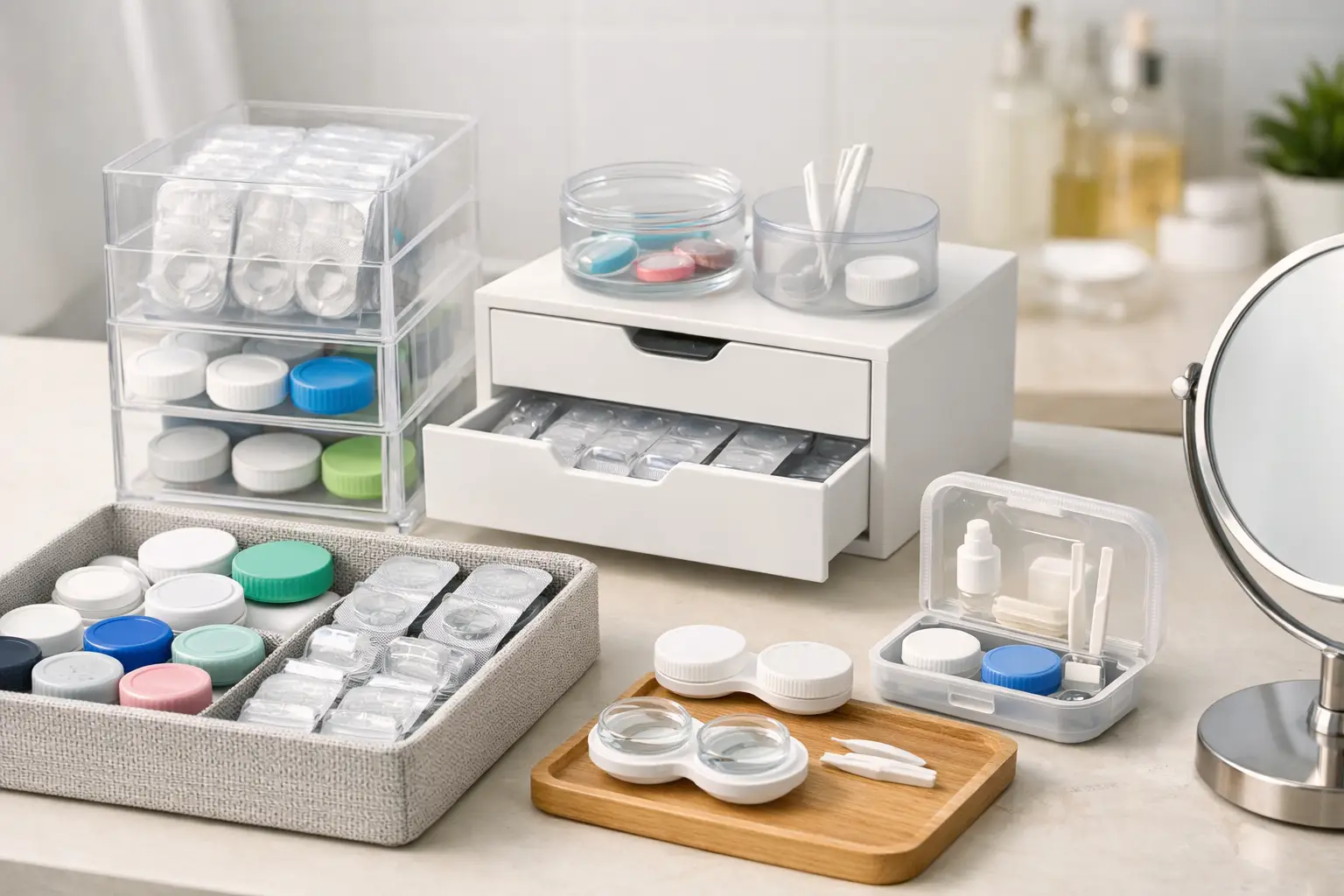
A contact lens case can look perfectly normal even when the lenses inside should no longer be worn. That is what makes expiration dates and replacement schedules so easy to miss. This expired contacts safety guide helps you separate what is still safe to use from what needs to be discarded, without relying on memory or a cluttered bathroom drawer.
For anyone managing prescription lenses, colored contacts, or more than one pair at a time, the goal is simple: know exactly what each case contains, when it was opened, and when it is time to replace it.
What “Expired” Means for Contact Lenses
Contact lens expiration can refer to more than one date, and mixing them up can lead to bad decisions. The printed expiration date on an unopened blister pack generally relates to the lens package’s sealed sterility. Once that date has passed, do not use the lens, even if the package looks intact.
Your replacement schedule is different. A daily disposable lens is worn once and thrown away. A two-week or monthly lens must be replaced according to its prescribed schedule after opening, even if you did not wear it every day. The calendar starts when you open the lens, not when you decide you have finally gotten enough use from it.
Lens solution has its own timeline, too. Never top off old solution in a case. Empty it, clean the case as directed, and use fresh solution every time lenses are stored. If the solution bottle is expired or has been open longer than its label allows, replace it.
This is why a single vague note like “contacts” is not enough. Each pair needs clear details: lens type, prescription, color if applicable, the date opened, and its replacement or expiration date.
Why Expired Contacts Are Not Worth the Risk
It can be tempting to keep a pair of lenses because they were expensive, rarely worn, or still feel comfortable. Comfort alone is not a safety check. A lens may collect deposits over time, become less reliable, or no longer be appropriate to wear based on its replacement schedule.
Using lenses beyond their recommended time can raise the chance of irritation, dryness, redness, and infection. A damaged lens or an expired unopened package adds another unnecessary question mark to something that sits directly on your eye.
The trade-off is straightforward. Tossing a pair can feel wasteful, but trying to stretch its use can cost more in discomfort, missed work, or an urgent eye care visit. Contact lenses are medical devices, including decorative lenses worn only for color. Treating their dates as optional is not a good bargain.
Expired Contacts Safety Guide: How to Check Every Pair
A quick review takes only a few minutes when your supplies are organized. Start by gathering every lens case, unopened blister pack, and solution bottle you currently have. Check one pair at a time so similar-looking cases do not get mixed up.
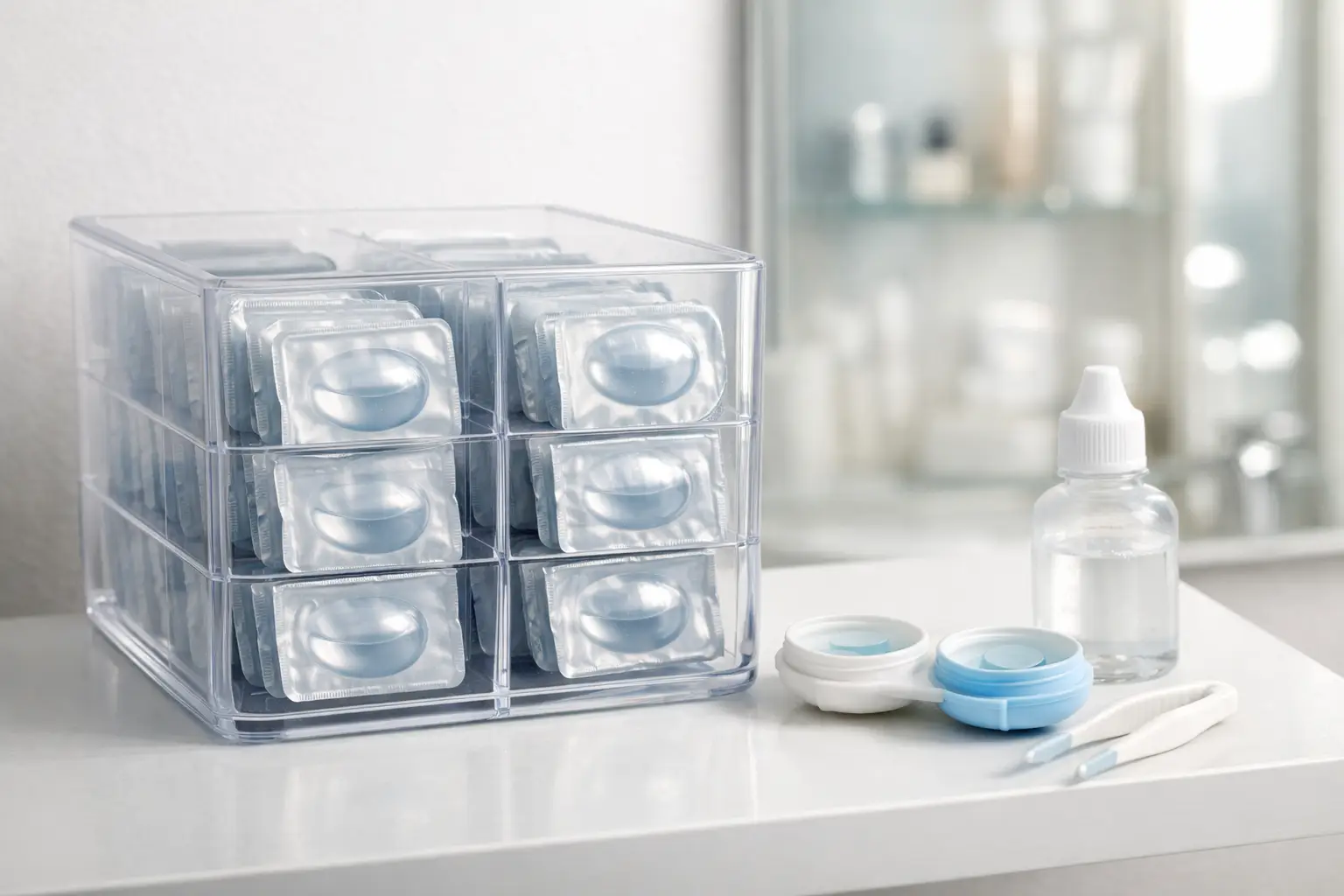
First, look at unopened lens packaging. Find the manufacturer’s expiration date and discard any package that has passed it. Do not use a lens if the blister pack is torn, leaking, dried out, cloudy, or otherwise damaged, regardless of the printed date.
Next, review every opened reusable pair. Ask when you opened it, what replacement schedule it follows, and whether the lenses have been stored correctly in fresh solution. If you cannot confidently answer those questions, the safest choice is usually to discard the pair and start fresh.
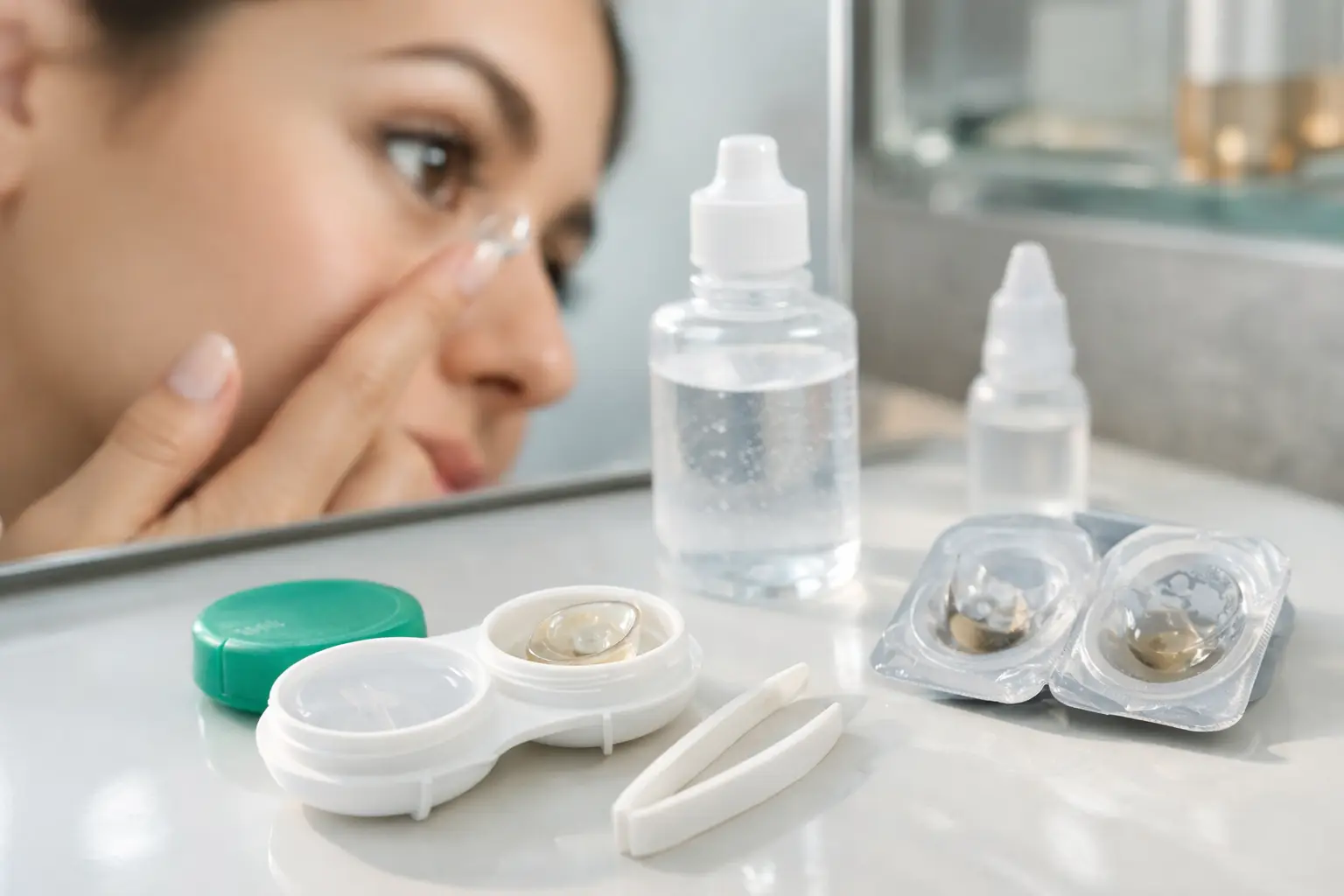
Then inspect the lenses themselves before putting them in. Do not wear a lens that is chipped, torn, warped, discolored, or has visible buildup. A lens that looks unusual should not go back on your eye just because it was worn before.
Finally, review your lens case. Replace cases regularly as directed by your eye care professional or lens solution instructions. A clean-looking case can still harbor buildup if it has been used too long or has been rinsed with water instead of proper solution.
The Details Most People Forget to Track
The biggest problem is rarely that people do not care about lens safety. It is that lens information gets separated. The box is thrown away, the prescription changes, a colored pair gets mistaken for another shade, and the opening date becomes a guess.
Keeping the original packaging until the lenses are discarded helps, but it is not always practical. A better everyday system records the information you need where you store your cases. For each pair, keep the prescription, brand or lens type, color, purchase date, date opened, and replacement date together.
That approach is especially useful when you rotate between clear prescription lenses and cosmetic lenses. Two cases may look identical from the outside, but the contents can have very different prescriptions, colors, and timelines. Labeling each pair prevents a small mix-up from becoming a frustrating morning.
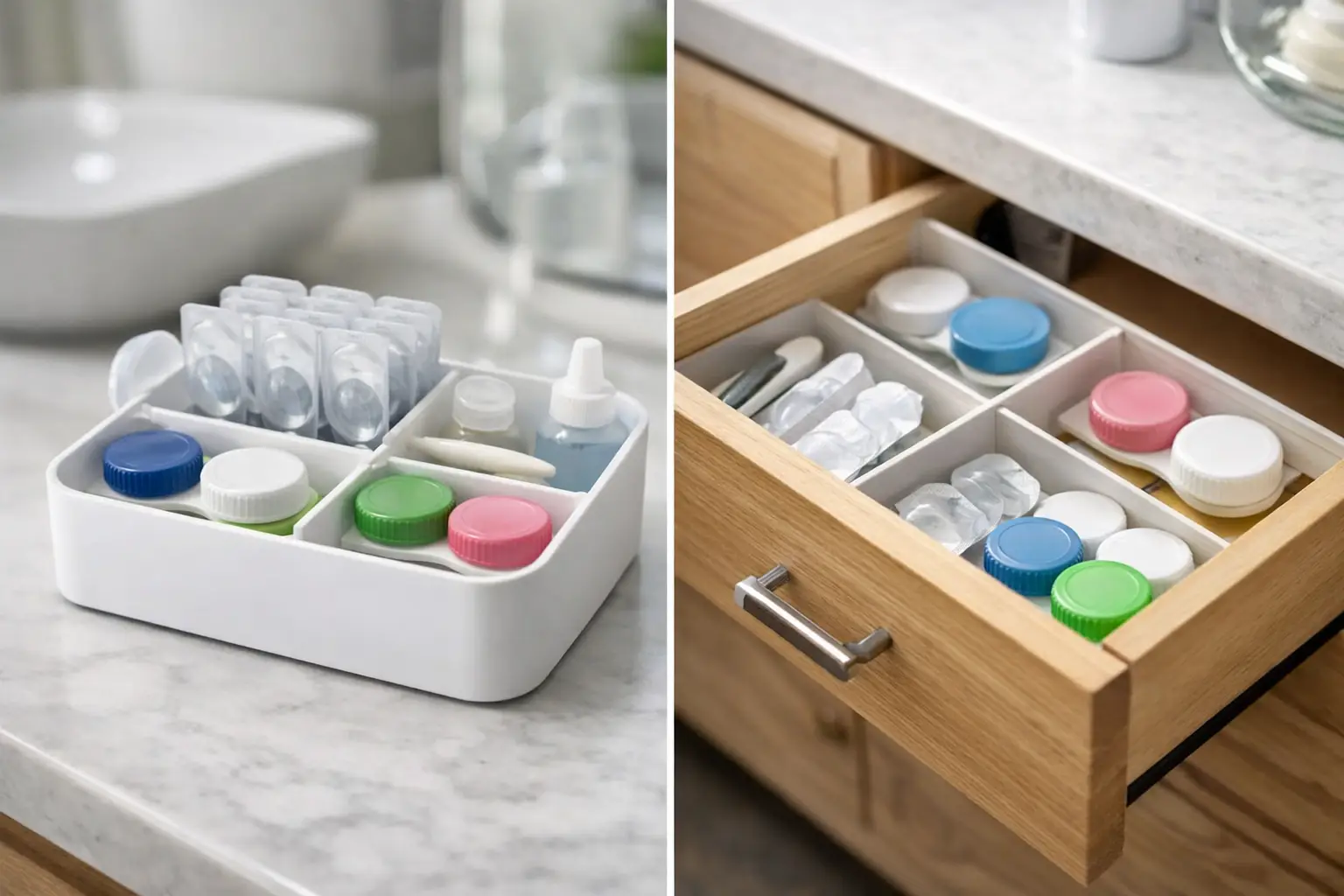
The EYEBOX® is built around this exact issue: keeping lens cases and the essential details for each pair in one organized place. Instead of searching for old boxes or trying to remember which case is which, you can see the information that supports a safer routine.
Build a Routine That Does Not Depend on Memory
A reliable contact lens routine should be easy enough to follow when you are tired, rushed, or getting ready in a shared bathroom. The less you have to remember, the less likely you are to wear an old pair by accident.
When you open a reusable pair, write down the opening date immediately and calculate its replacement date. Put that information with the lens case, not in a random phone note you may never check. If you wear daily disposables, keep unopened packs grouped by expiration date and use the earliest safe date first.
Make a habit of checking your lens setup at the start of each month. Remove expired blister packs, dispose of lenses that have reached their replacement date, and check whether you need new solution or cases. This small reset keeps old supplies from quietly collecting in the back of a drawer.
If you buy multiple boxes at once, record the purchase information before discarding any packaging. That can help you identify the right lens later, reorder accurately, and avoid opening a pair you cannot verify.
When to Stop Wearing Lenses Right Away
Dates and labels matter, but your eyes get the final say. Remove your contacts promptly if you have pain, persistent redness, burning, unusual discharge, blurred vision, light sensitivity, or a feeling that something is stuck in your eye. Do not put the lens back in to see whether the problem goes away.
Switch to glasses if you can and contact an eye care professional for guidance. If symptoms are severe, sudden, or worsening, seek urgent medical care. Do not try to solve eye pain with extra drops or by wearing a different pair of contacts before you know what caused the issue.
It also makes sense to stop and check when a lens suddenly feels different. Sometimes the issue is a tiny tear, a flipped lens, debris, or dried-out solution. Sometimes it is a sign the lens has reached the end of its useful life. Either way, guessing is not the safe option.
A Cleaner, Clearer Way to Manage Every Pair
Contact lens safety is easier when every pair has a place and every place has a label. You should be able to tell, at a glance, what the lenses are, when they were opened, and whether they are still within their safe use period.
That bit of organization does more than reduce clutter. It removes the uncertainty that leads to wearing the wrong pair, stretching a replacement schedule, or holding onto expired lenses because you are not sure what they are. Give your lenses the same attention you give any other part of your personal care routine, and let clear information make the next choice easy.