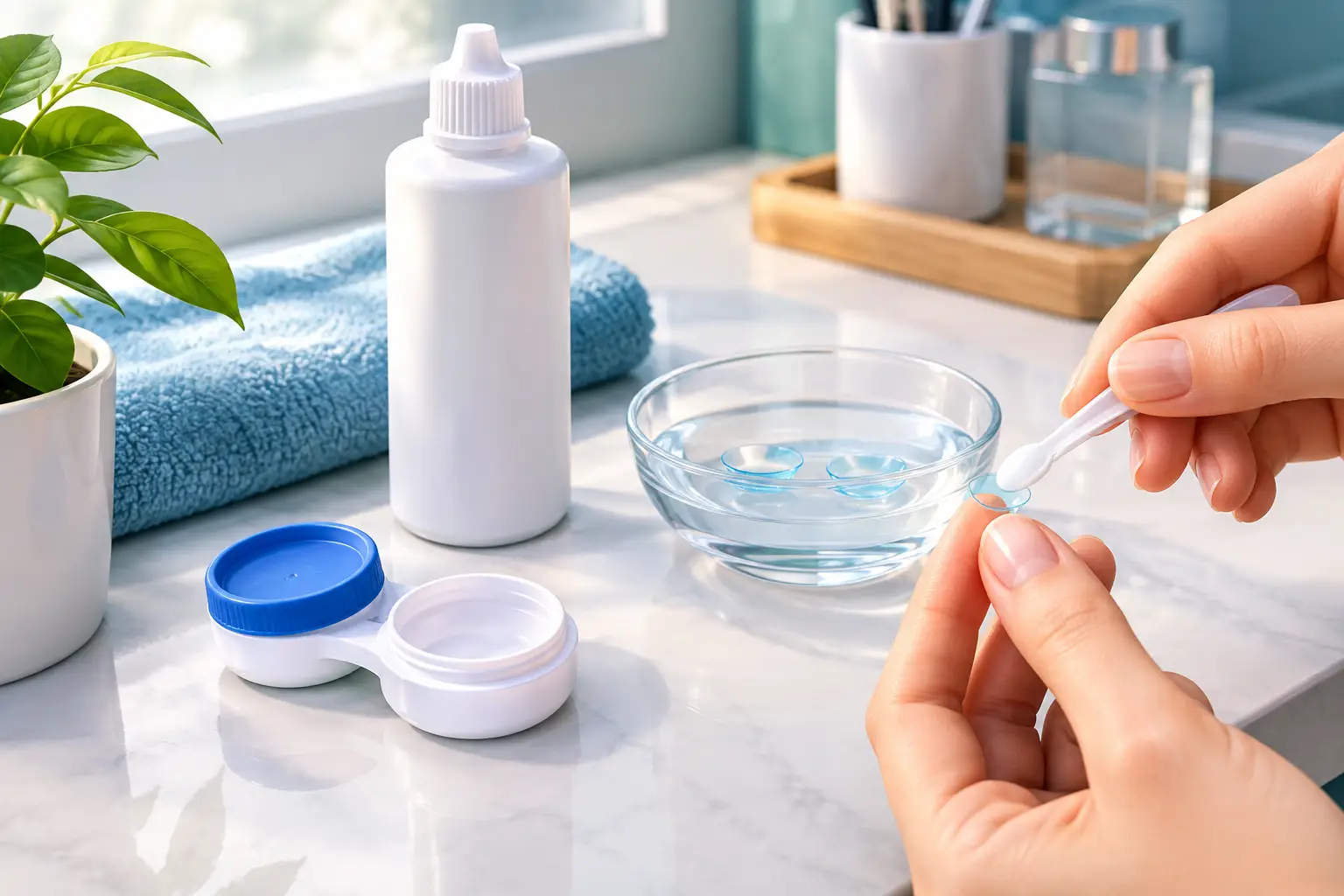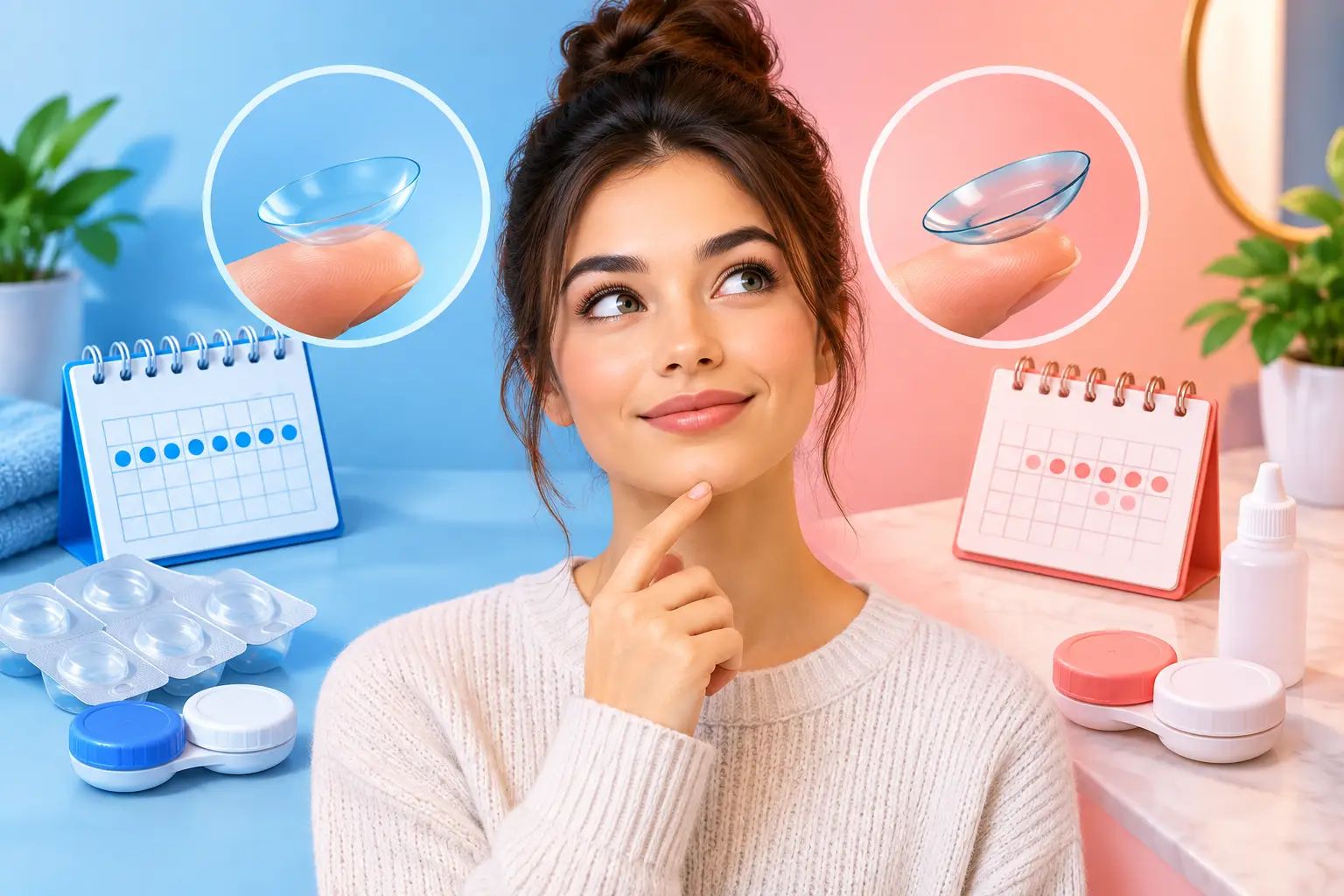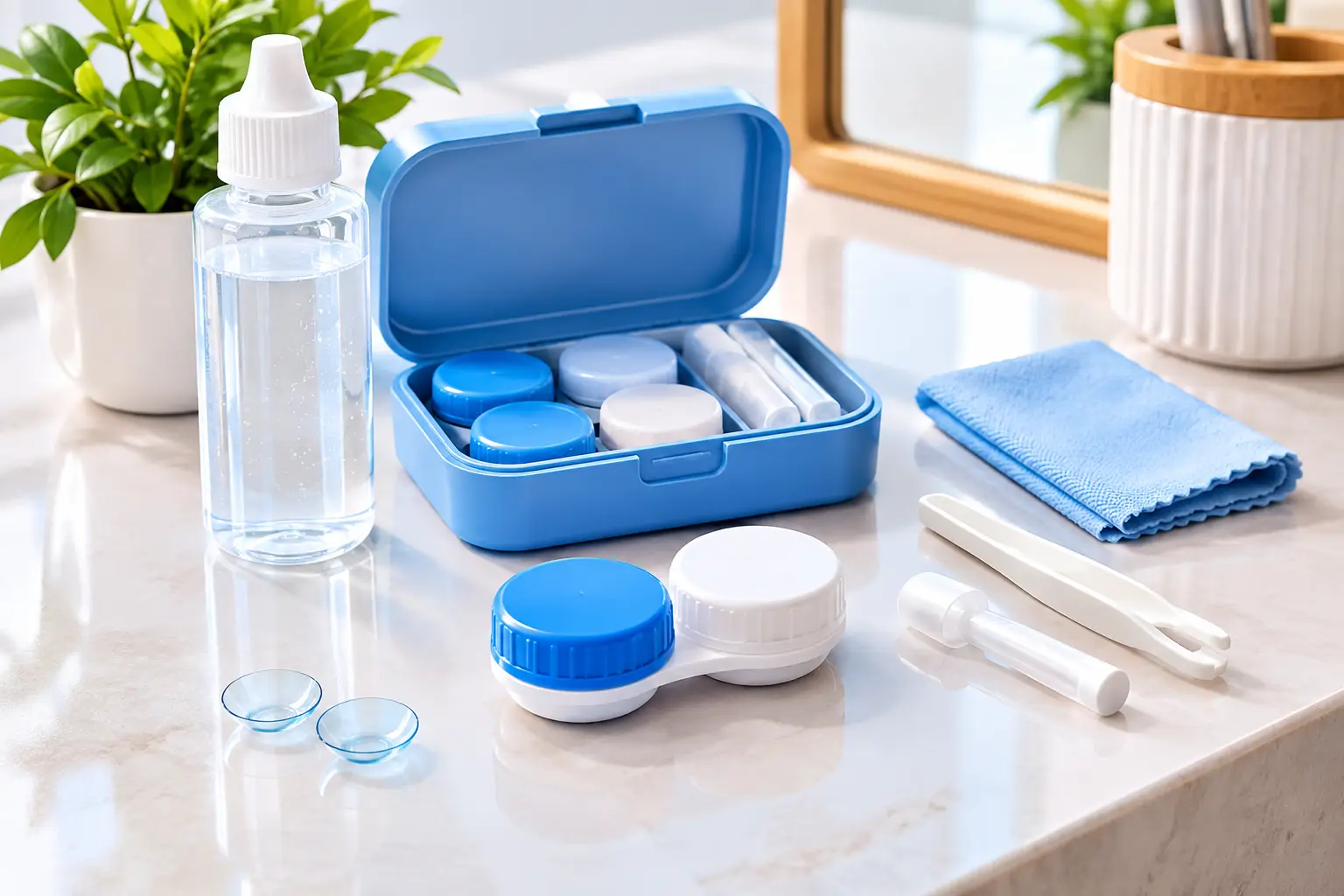
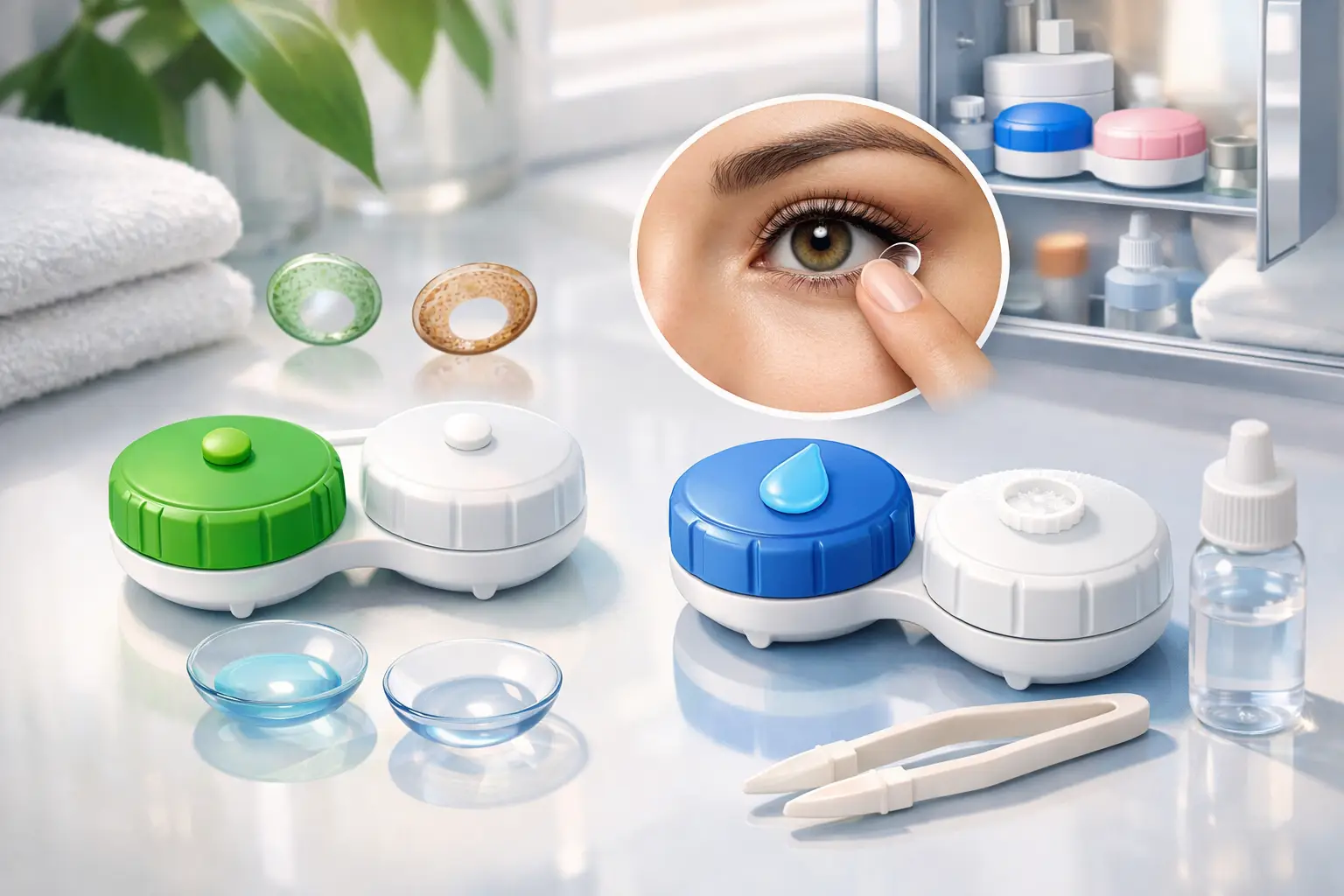
If you wear more than one pair of contacts, you already know the problem. Two cases look the same, one pair is almost expired, and the box with the prescription and color details disappeared weeks ago. Knowing how to label contact lens cases is what turns that mess into a routine you can actually trust.
For most people, the issue is not the case itself. It is the missing information. Once the original packaging is gone, it becomes surprisingly easy to forget which pair is which, when you opened it, or how long it is supposed to last. That gets even harder if you wear both prescription and cosmetic lenses, or keep backup pairs on hand.
Why labeling contact lens cases matters
A labeled case does more than help you stay neat. It helps you avoid simple mistakes that can cost time, money, and peace of mind. If you mix up similar lenses, you may end up wearing the wrong prescription or the wrong color. If you forget the replacement timeline, you may hold onto a pair longer than you meant to.
There is also a practical side to it. Contact lenses are not cheap, and neither is replacing a pair you cannot identify anymore. A few seconds of labeling can save you from opening the wrong set, tossing usable lenses, or second-guessing what is stored where.
The best labels answer the questions you are most likely to have later, not just the ones that seem obvious in the moment.
What information to put on a contact lens case
When people think about how to label contact lens cases, they often start with right and left. That is useful, but it usually is not enough if you own multiple pairs.
At minimum, your label should help you identify the pair quickly. For many users, that means recording the prescription, lens color if applicable, and the date the pair was opened. If the lenses have a replacement schedule, add the discard or expiration date too. If you buy several similar pairs, purchase date can also help.
Some people benefit from a simple naming system. For example, you might label one pair as everyday clear lenses and another as hazel weekend lenses. The point is not to create a complicated chart. The point is to make each case unmistakable.
The most useful details to track
If you are deciding what belongs on the label, focus on information you are likely to forget:
- Right and left lens
- Prescription strength
- Color or style name
- Opened date
- Replacement or discard date
- Purchase date, if you rotate several pairs
Not every user needs every detail. If you only wear one prescription and one lens type, a date-based system may be enough. If you keep multiple cosmetic colors, color and timeline details matter more.
How to label contact lens cases without making them messy
The easiest system is one you will actually keep using. A case covered in tiny handwriting sounds organized until the text smudges or you cannot read it a week later. Good labeling should be clear at a glance.
Start by separating the information into two levels. Put immediate identification on or with the case, and keep more detailed records in one dedicated place. Immediate identification is what tells you which pair you are holding. Detailed records cover everything else you may need later.
This is where many contact lens users get stuck. The case itself has limited space, but your lenses come with more details than most people can realistically write on a tiny container. Trying to squeeze everything onto the case often creates a system that is hard to maintain.
A better approach is to use simple visible markers for the pair, then keep the full lens information stored alongside it. That is one reason systems like EYEBOX are useful. Instead of relying on memory or random sticky notes in a drawer, you can keep the case and the key details together in one organized setup.
Choose a label method that fits your routine
There is no single perfect method, because it depends on how many lenses you manage and how often you switch between them.
If you only use one or two pairs, a fine-tip waterproof label or small sticker may work well. If you wear multiple colors or rotate lenses often, color-coding can be faster than reading small text every time. If you tend to throw away outer boxes quickly, a dedicated record system matters more than the label itself.
The key trade-off is speed versus detail. A color dot is fast to recognize, but it cannot tell you an expiration date. A handwritten label can include more information, but it takes more upkeep. Most people do best with a mix of both.
A simple system for labeling multiple contact lens cases
If your current setup is a cluster of identical cases in a bathroom drawer, start over with a structure that is easy to repeat. You do not need anything complicated.
First, assign each lens pair a unique identifier. That could be a color label, a number, or a short name. Second, write down the details tied to that identifier, including prescription, lens color, opened date, and discard date. Third, store the case where that identifying information stays with it.
This works especially well for users who wear several cosmetic shades or keep daily life and special-occasion lenses separate. Instead of trying to remember which blue case holds which gray lenses, you can identify the pair instantly and verify the details without guessing.
Example of a practical labeling setup
A clean system might look like this in real life:
- Case A: Clear prescription lenses, opened March 1, discard April 1
- Case B: Brown cosmetic lenses, opened March 10, discard April 10
- Case C: Green cosmetic lenses, unopened backup pair
That is enough information to prevent most mix-ups. You know what each pair is, when it entered use, and when it should be replaced. If you want more detail, add the exact prescription and purchase date to your record sheet or storage system.
Common labeling mistakes to avoid
Most labeling problems are not about effort. They come from using a system that breaks down too easily.
One common mistake is labeling only the outer box and not the case that actually stays in use. Once the packaging is gone, the information is gone too. Another is using labels that fade, peel, or smear in a bathroom environment. Moisture and handling matter, so choose materials that can hold up.
A third mistake is tracking too little information for a multi-pair routine. If you own one pair of clear contacts, simple left and right labels may be fine. If you own several pairs that look similar, that same method stops working fast. The more overlap you have between pairs, the more specific your labels should be.
Finally, avoid a system that depends entirely on memory. If your plan is to remember that the purple case means your older brown pair unless you switched it last month, you do not really have a system.
How to keep labels updated over time
Labeling is not a one-time fix. It only works if the information stays current.
Whenever you open a new pair, label it right away. Do not wait until later, because later usually turns into forgotten details and packaging in the trash. If the lens schedule changes or a case gets replaced, update the label at the same time.
It also helps to do a quick check once a week. Look at what is currently stored, confirm the dates, and remove anything that should no longer be in rotation. This takes very little time, but it prevents the buildup of half-used, mystery cases that make your routine harder than it needs to be.
For people who like order, this becomes second nature. For people who do not, that is exactly why a structured storage system helps. You are not relying on motivation every day. You are relying on a setup that makes the right choice easier.
The best way to label contact lens cases is the one you will maintain
There is no award for creating the most detailed contact lens tracking method. What matters is whether you can identify your lenses quickly, verify the important details, and avoid mix-ups.
For some users, that means a minimal label with a date and lens type. For others, especially those managing multiple colors or prescriptions, it means a more complete organization system that keeps both the case and the lens information together. If your current method leaves you guessing, it is not simple. It is incomplete.
A good label should remove friction from your day. When you reach for a pair of lenses, you should know exactly what they are, when you opened them, and when they need to go. That kind of clarity is small, but it makes your whole routine feel easier.