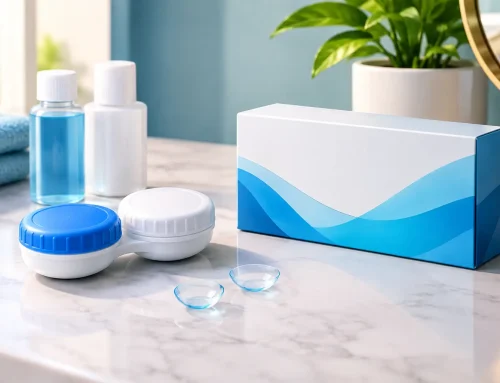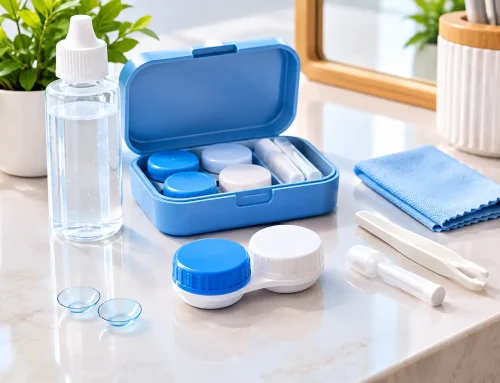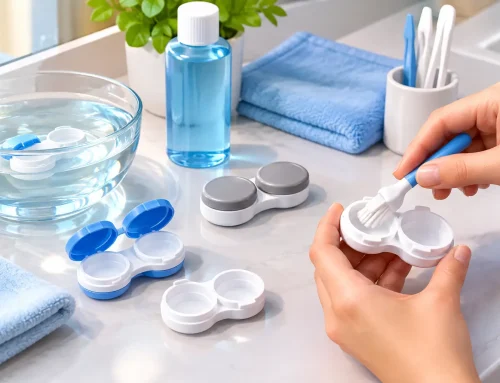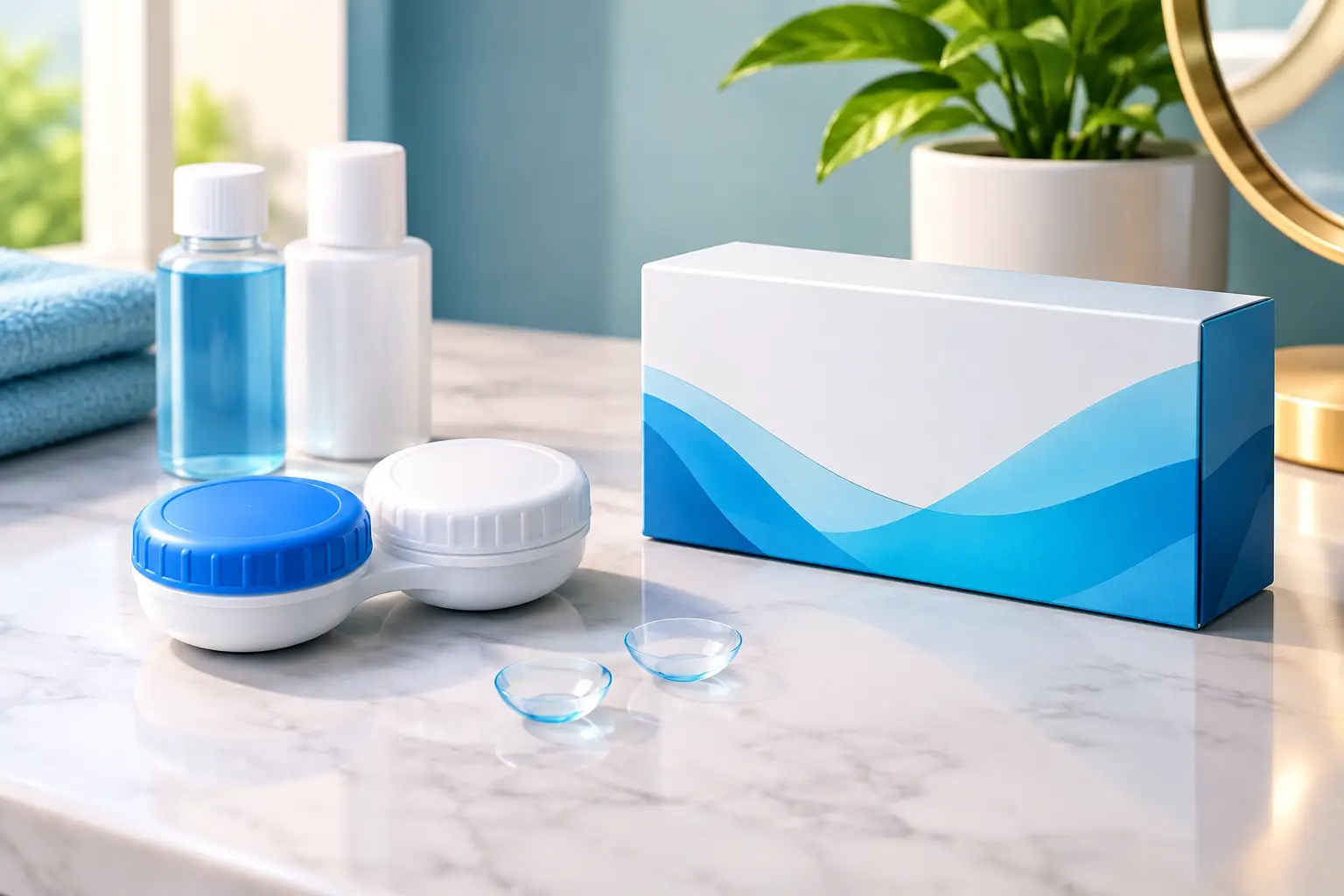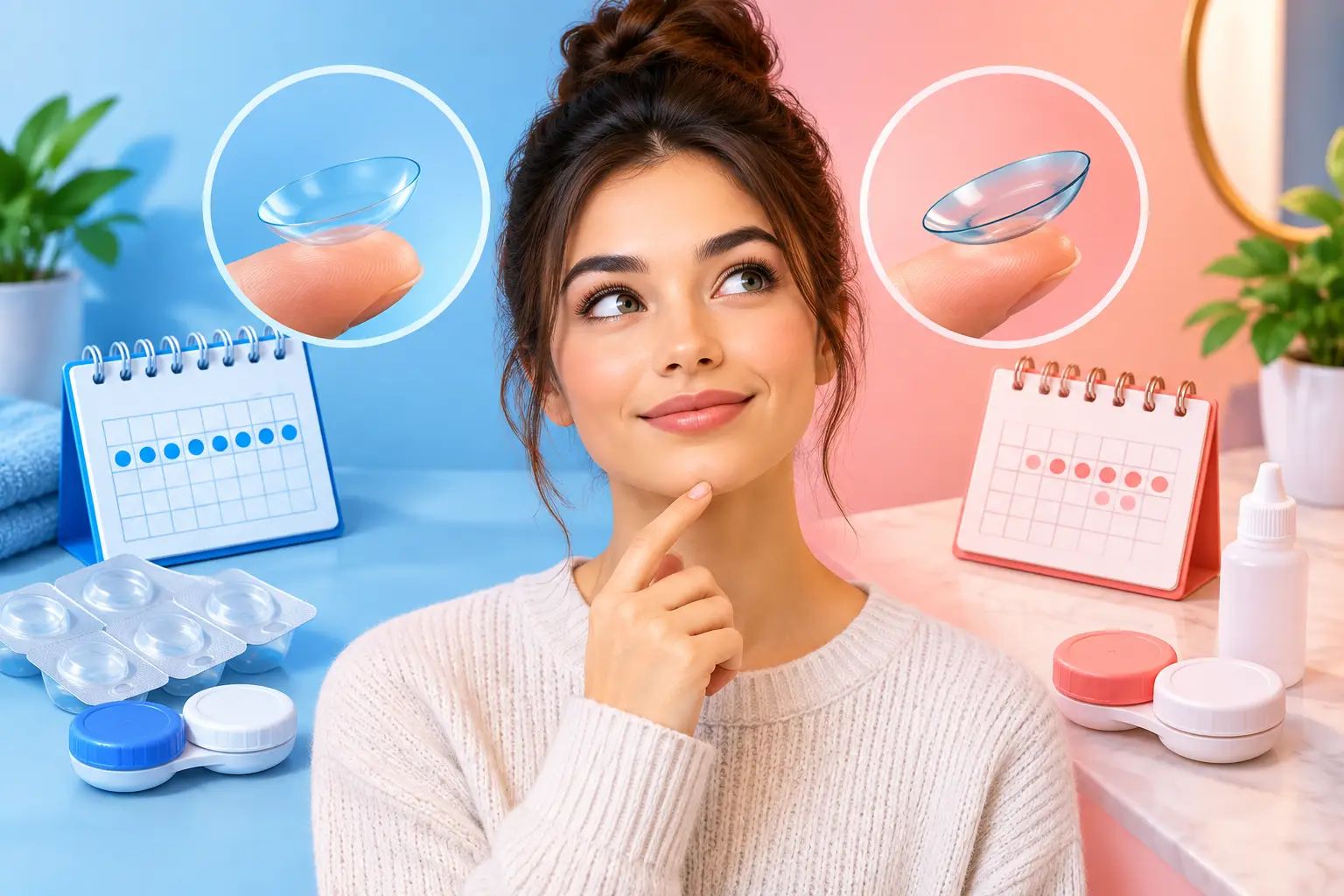
Two nearly identical contact lens cases in a bathroom drawer can create a surprisingly big problem. Which pair is your current prescription? Which one is the colored lens you opened last month? And where did the expiration date go after the box was thrown away? Good lens care is not only about cleaning lenses correctly. It is also about keeping the details that tell you what each pair is, when it was opened, and when it needs to be replaced.
For anyone managing more than one pair of contacts, a little structure removes a lot of daily uncertainty. Instead of relying on memory, old packaging, or a pile of loose cases, create a system that keeps your lenses clean, identified, and easy to check.
Lens Care Starts Before You Put Lenses In
Cleaning and storing contact lenses matter, but so does knowing exactly which lenses you are handling. A mix-up can mean wearing the wrong prescription, opening a pair too early, or continuing to use lenses past their intended replacement date. Cosmetic lenses create another layer of confusion because different colors can look similar once they are in their cases.
Think of your lens routine as two connected jobs. The first is hygiene: clean hands, fresh solution, a clean case, and the replacement schedule recommended for your specific lenses. The second is organization: keeping each case connected to the prescription, color, purchase date, expiration date, and opening date that belong to it.
When one half is missing, the routine becomes harder than it should be. Clean lenses are only useful when you can confidently identify them. Detailed records are only useful when they stay with the correct case.
The Details Most People Lose First
Contact lens packaging holds more information than most people realize. It may list the power, base curve, diameter, brand, color, lot details, expiration date, and replacement instructions. Once the box or blister pack is discarded, those details are often gone for good.
That is manageable if you use one type of lens and replace it on the same predictable schedule. It gets more complicated when you keep backup lenses, change prescriptions, use colored contacts for different looks, or have a mix of daily, biweekly, or monthly lenses. A drawer full of similar cases leaves too much room for assumptions.
The most useful details to keep with every active pair are:
- Your prescription information, including which lens is for the right and left eye
- The lens brand and color, when applicable
- The unopened product expiration date
- The date you purchased and opened the pair
- The date the lenses should be replaced based on your eye care professional’s instructions
You do not need a complicated spreadsheet to stay on top of these basics. You do need one consistent place to record them.
Build a Lens Storage System You Will Actually Use
The best organization system is the one that fits naturally into your existing routine. Place it where you already handle your lenses, such as a bathroom cabinet, vanity drawer, or designated shelf. The goal is not to create more steps. The goal is to prevent the repeated hunt for information that should be available at a glance.
Start by gathering every lens case, unopened box, loose label, and note you have. Match each active case to its original information before you recycle the packaging. If you cannot confirm what is in a case, do not guess. Set it aside and use a new, clearly identified pair after checking with your eye care professional if needed.
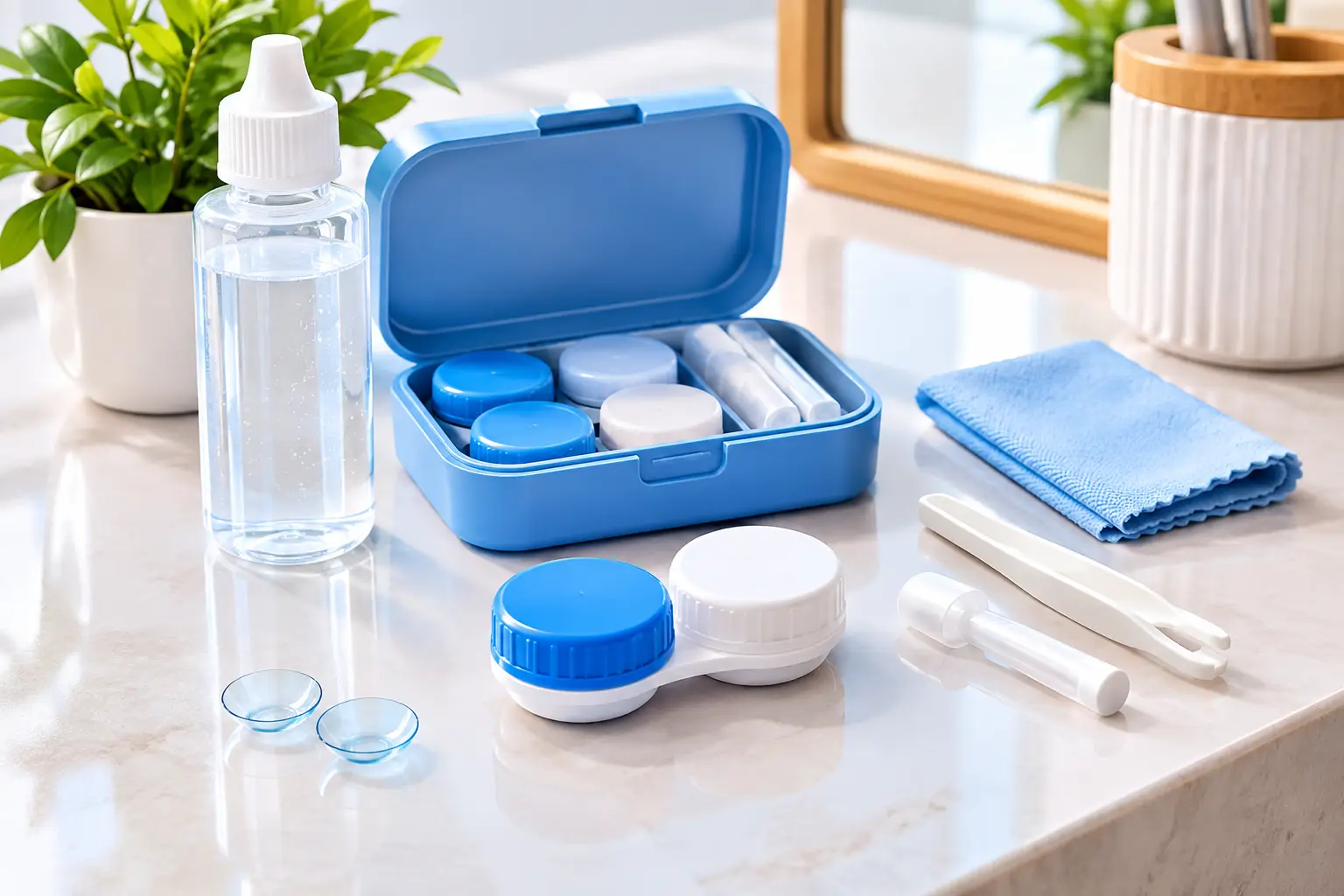
Next, give each pair its own labeled space. A purpose-built organizer such as EYEBOX keeps the lens case and its key usage details together, so you do not have to rely on a marker label that fades, a phone note you forget to update, or packaging stored in a separate room.
Use Color as a Helpful Second Check
Color coding is useful, especially for people who wear several cosmetic lenses or keep more than one prescription on hand. But color should support the written details, not replace them. A blue case may help you quickly find blue lenses, for example, but the stored record should still tell you the prescription and replacement date.
The same goes for right and left lenses. If your prescription differs between eyes, make the distinction obvious every time you put lenses away. A quick visual check prevents the frustrating moment of realizing your vision feels off because the lenses were switched.
Keep Opened and Unopened Lenses Separate
Unopened lenses have a manufacturer expiration date. Once you open a reusable pair, its replacement schedule is based on your wear instructions, not just the date printed on the box. Keeping opened pairs separate from backup stock makes it easier to see what you are using now and what is waiting for later.
This simple separation also helps you avoid opening a new pair before you need it. That saves money and keeps your inventory easier to understand. When a pair is replaced, remove its old record and make a new one immediately for the next pair.
Make Cleaning Part of the Same Routine
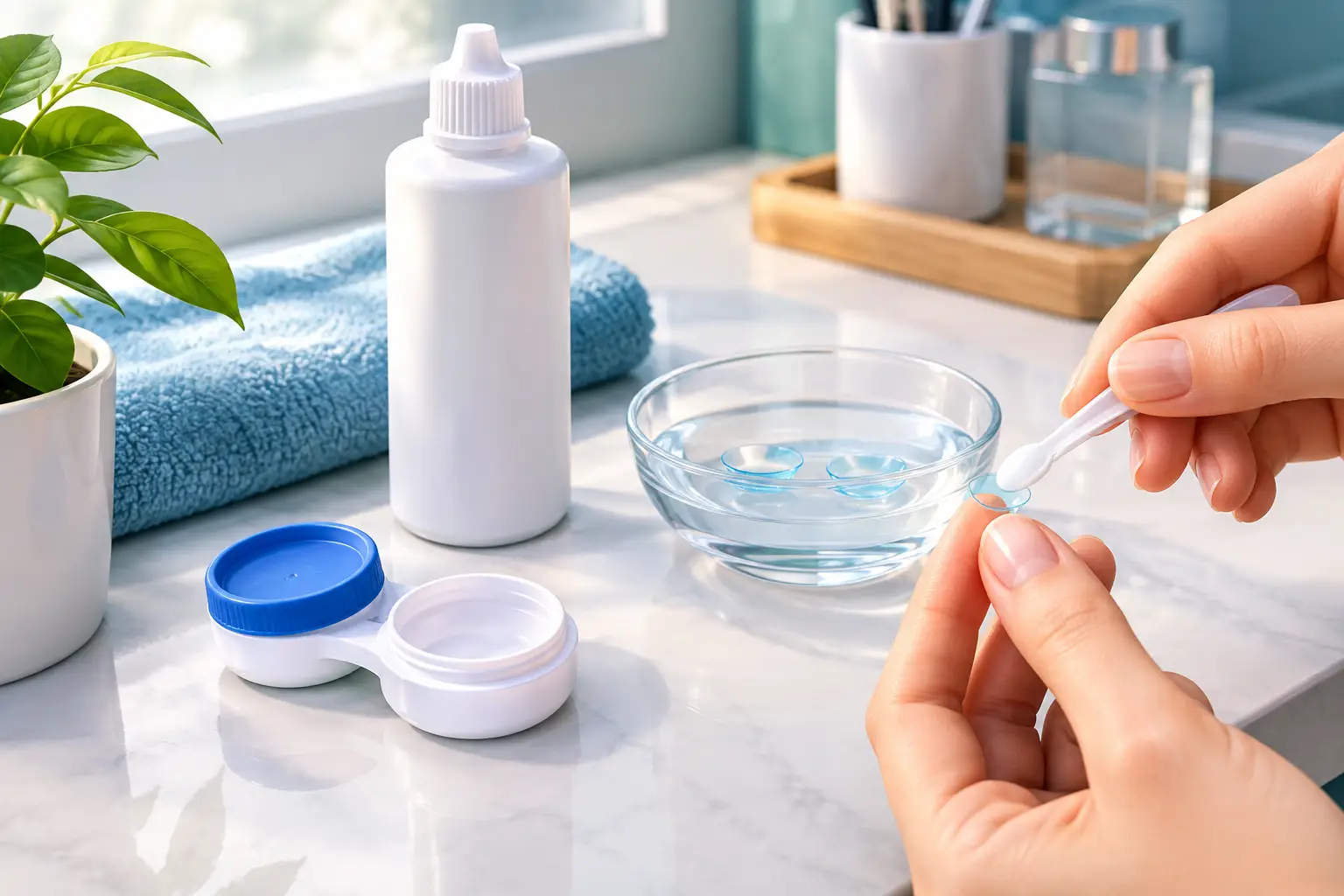
Organization cannot replace proper lens hygiene. Always follow the instructions from your eye care professional and the lens and solution manufacturers. In general, that means washing and drying your hands before touching lenses, using fresh recommended solution, and keeping lenses away from water.
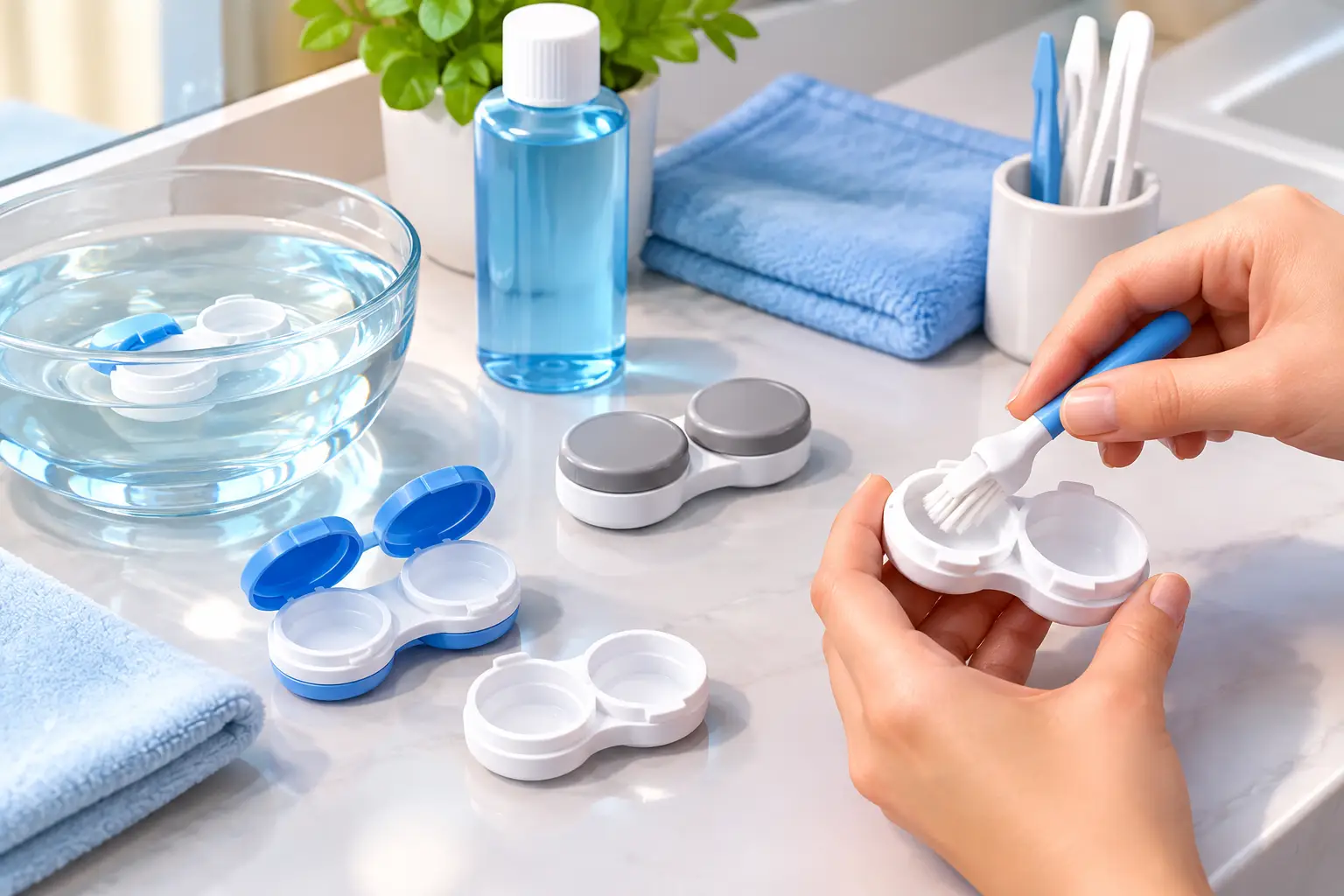
A lens case needs attention, too. Empty old solution rather than topping it off, rinse and air-dry the case as directed for your solution, and replace the case on the schedule recommended by your eye care professional or solution label. A case that looks clean is not automatically ready for continued use.
It helps to connect this care step to your organization step. Each time you clean and store lenses, glance at the pair’s record. You will catch an approaching replacement date before it becomes a rushed purchase or a guessing game.
Set Up a Five-Minute Weekly Check
Lens care becomes much easier when you check small details regularly instead of trying to remember everything at once. Pick one day each week to look at your active cases and backup supply. This is not a deep-cleaning project. It is a quick reset that keeps your system accurate.
During that check, confirm that each active case is in its assigned spot, review upcoming replacement dates, and make sure any newly opened pair has its information recorded. If you wear colored contacts, verify that each color is still matched to the correct prescription. If you have recently changed prescriptions, remove outdated pairs from your everyday setup so they cannot be selected by mistake.
A monthly lens wearer may also want a visible reminder for the next replacement day. Some people prefer a calendar alert, while others like a written date stored beside the case. Either method works if it is easy to maintain. The better choice depends on whether you are more likely to check your phone or your lens station.
Common Shortcuts That Create Confusion
Keeping lens boxes “somewhere safe” sounds reasonable until you need them. That place can become a stack of outdated cartons with no clear connection to the cases you are currently using. Writing only a color on a case has a similar downside: color does not tell you the prescription, opening date, or expiration information.
Another common shortcut is assuming you will remember when you opened a pair. You might remember this week. A few weeks later, especially when life gets busy, that confidence fades. Replacement schedules should not depend on a vague estimate.
There is also a difference between being organized and keeping everything forever. Retain the details that help you safely identify current lenses and manage your available supply. Discard old records once the corresponding lenses are no longer in use, unless your eye care professional has told you to keep them for another reason. A simple system stays useful because it is current.
When to Stop and Ask a Professional
If a lens feels uncomfortable, looks damaged, has dried out, or cannot be identified with confidence, do not try to make it work. Use a fresh, correctly identified lens if appropriate, and contact your eye care professional for guidance when you have questions about your prescription, replacement schedule, redness, pain, or vision changes.
It is especially worth asking for help after a prescription update. Confirm which existing lenses, if any, are still appropriate to use. Keeping older and newer prescription details separated prevents an outdated pair from slipping back into your routine.
A clear lens routine gives you one less thing to second-guess at the start and end of the day. Give every pair a defined place, keep its details close, and let a quick check replace the daily question of, “Wait, which lenses are these?”